
Menard adds on, builds residential subdivisions

The home improvement retailer is getting into development, building subdivisions near its stores.

May 6, 2008 at 1:50AM
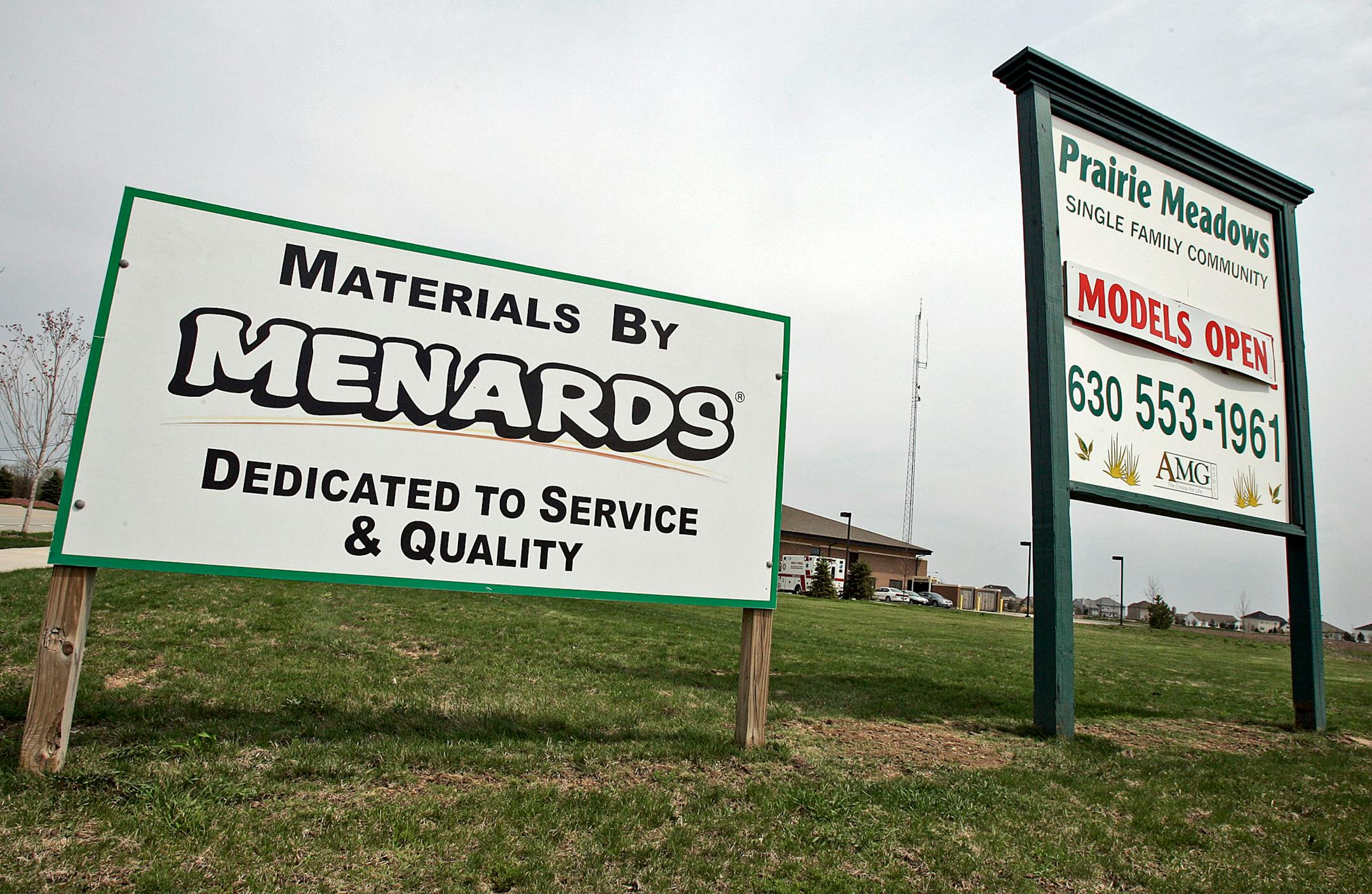
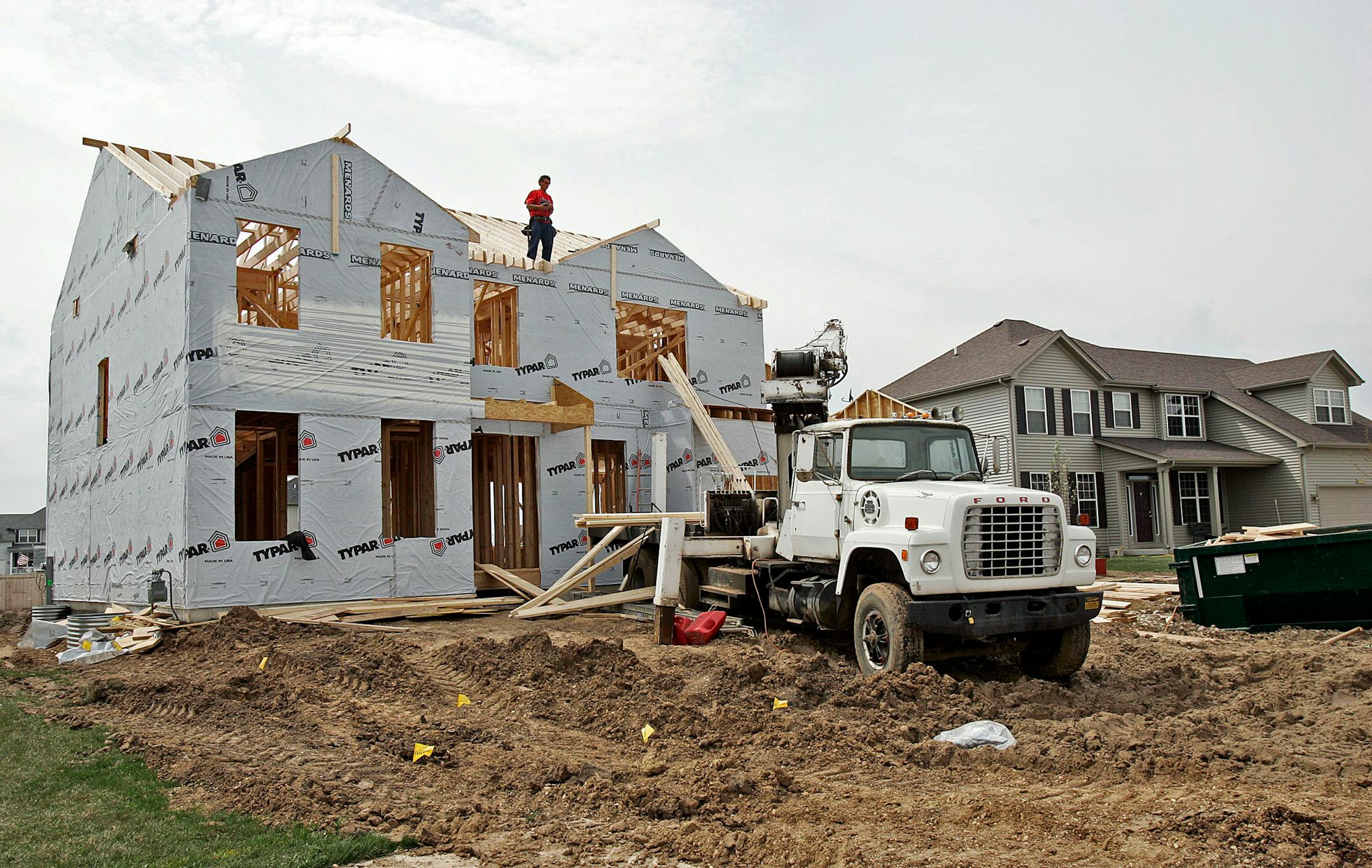
Menard's first large development is Prairie Meadows in Yorkville, Ill., a suburb southwest of Chicago in Kendall County, which the Census Bureau recently named the nation's fastest-growing county. Menard is growing its customer base by building new residential subdivisions near its stores.
Menard’s first large development is Prairie Meadows in Yorkville, Ill., a suburb southwest of Chicago in Kendall County, which the Census Bureau recently named the nation’s fastest-growing county. Menard is growing its customer base by building new residential subdivisions near its stores. (Milwaukee Journal Sentinel/MCT/The Minnesota Star Tribune)

MILWAUKEE - People typically run to Menards to buy stuff for their weekend projects: a new drill, maybe a toilet seat.

But lately, the company is stocking something a bit more unusual: home sites.

Eau Claire, Wis.-based Menard Inc. is becoming more active as a developer of residential subdivisions -- an extension of the company's role as the nation's third-largest home improvement retailer.

Menard is proceeding with plans to develop two large subdivisions, in Warsaw, Ind., and Urbana, Ill., and is developing another subdivision in Yorkville, Ill. The company also owns land set aside for a small condominium development that might someday be built near its Oak Creek, Wis., store south of Milwaukee.

The projects are happening through opportune purchases of excess land as Menard buys parcels to build home improvement stores, said Jamie Radabaugh, director of sales and leasing for the company's property division.

"We are actively looking for new residential projects around our new and existing stores," Radabaugh said.

The company appears to be the nation's only home improvement retailer that's also a subdivision developer, said Scott Wright, spokesman for the North American Retail Hardware Association, an Indianapolis-based trade group with around 13,000 members -- most of them independently owned stores.

"I certainly haven't heard of anyone doing anything like that," Wright said about Menard's side business. "Especially in this economic climate."
Menard did its first residential subdivisions, in Franklin, Wis., and Eau Claire, Wis., many years ago. The company's land acquisitions have increased as Menard, which operates around 240 stores in 11 states, continues to grow.

Because it's privately held, Menard doesn't have to meet the quarterly earnings expectations that Wall Street demands from the chain's chief rivals, Lowe's Companies and Home Depot Inc.; the latter announced last week the closing of 15 stores, including three in Wisconsin. The fact that Menard is not publicly traded gives it more leeway to invest in real estate developments, according to a company presentation made in January to the Urbana Plan Commission.

By developing residential subdivisions close to new stores, Menard creates a larger customer base among those new homeowners, and among local homebuilders.

Menard's development in Yorkville, on the outer fringe of the Chicago metropolitan area, illustrates that strategy.

Yorkville is in Kendall County, which the Census Bureau recently named the nation's fastest-growing county.

In 2001, Yorkville annexed around 250 acres of farmland owned by Menard. Some of the land was set aside for a new store, which opened in 2003, said Lynn Dubajic, executive director of the Yorkville Economic Development Corp.

Additional parcels were set aside for 164 single-family homes and 68 townhouse-style condos, Dubajic said.

Menard put in utilities and other infrastructure for the single-family homes, and so far, it has sold 129 lots to AMG Homes, a local homebuilder. Since 2005, AMG has built 110 homes, said Chad Gunderson, AMG co-owner and chief executive officer.

The townhouse sites probably will be sold once the housing market improves, Dubajic said.

In purchasing the lots, AMG agreed to buy virtually all of its building materials for the project from Menard, Gunderson said.

The shopping list includes lumber, windows, doors, flooring materials and roof shingles, Gunderson said. AMG was allowed to buy a few products, such as concrete, from other vendors, because Menard doesn't sell them in large enough quantities.

The arrangement has worked out well for AMG, Gunderson said.

"We look at the contract as mutually beneficial," he said.

The company will have similar requirements with homebuilders buying lots from other Menard-developed subdivisions, Radabaugh said.

"It only makes sense to tie our company's main business with the residential development projects," he said.

Menard owns just over 5 acres of vacant land northeast of its Oak Creek, Wis., store. In 2001, Menard was granted permission to develop 22 townhouses on the Oak Creek parcel, but that approval has since lapsed, said Doug Seymour, Oak Creek director of community development.

Menard is looking for homebuilders interested in developing the Oak Creek parcel, Radabaugh said.

Menard's foray into development is "very interesting," said Wright, of the hardware retailers association.

The chain, which has grown despite increased competition from national players Home Depot and Lowe's, "has staying power unlike any other," Wright said.

The company seems to be the only home improvement retailer that's also a subdivision developer, said Scott Wright, of a hardware retailers association.
The company seems to be the only home improvement retailer that’s also a subdivision developer, said Scott Wright, of a hardware retailers association. (Milwaukee Journal Sentinel/MCT/The Minnesota Star Tribune)
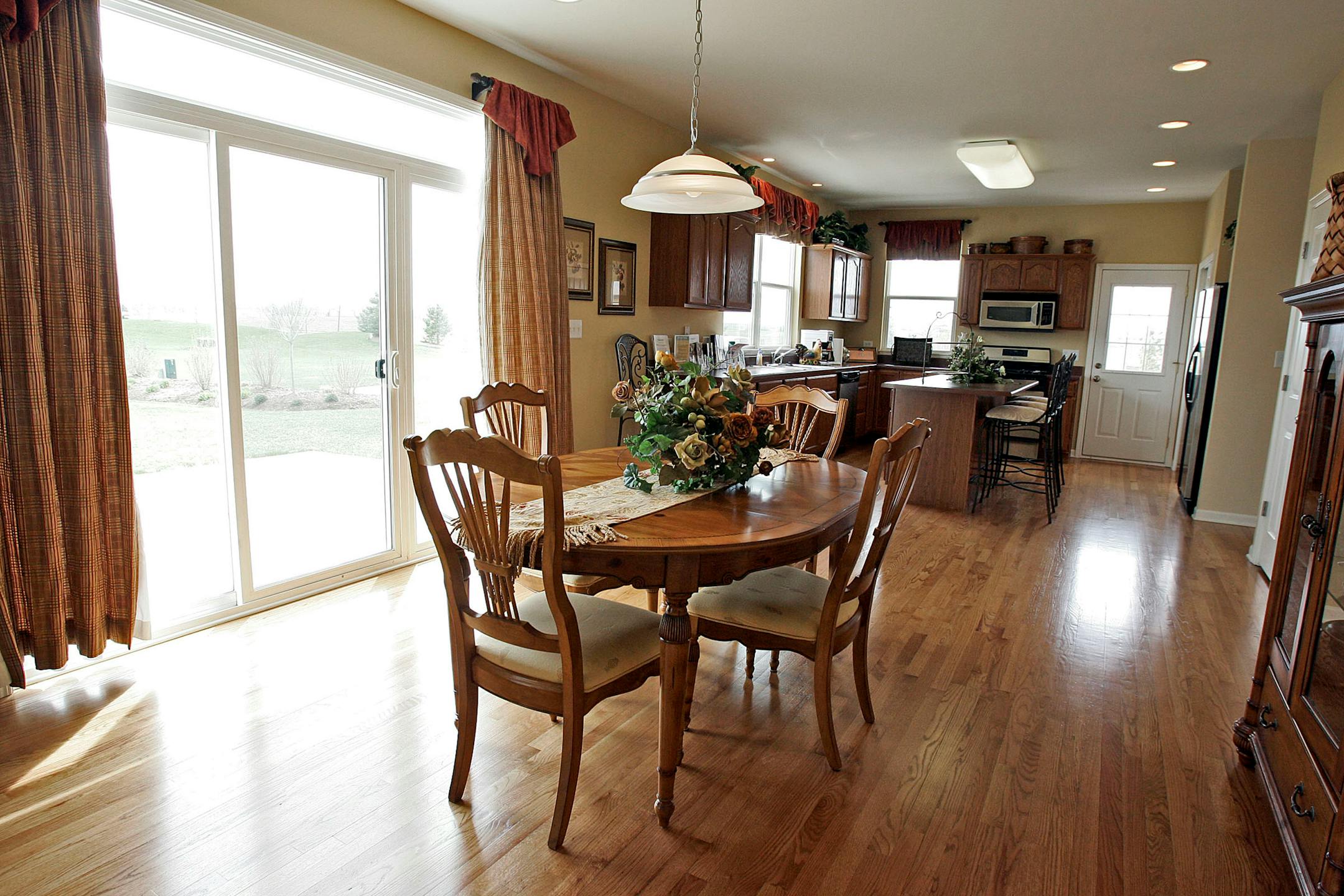
Menard sold 129 lots in its Prairie Meadows development to a local builder, which agreed to buy most of its materials from Menard. This photo shows the inside of a model home at the Yorkville, Ill. subdivision.
Menard sold 129 lots in its Prairie Meadows development to a local builder, which agreed to buy most of its materials from Menard. This photo shows the inside of a model home at the Yorkville, Ill. subdivision. (Milwaukee Journal Sentinel/MCT/The Minnesota Star Tribune)
about the writer

about the writer

TOM DAYKIN, Milwaukee Journal Sentinel

More from Business

See More
card image
Anthony Soufflé/The Minnesota Star Tribune

The Equal Employment Opportunity Commission is suing the Pittsburgh-based company over allegedly forcing the worker to take a pay cut and lesser role at the MinnTac Mine.
