

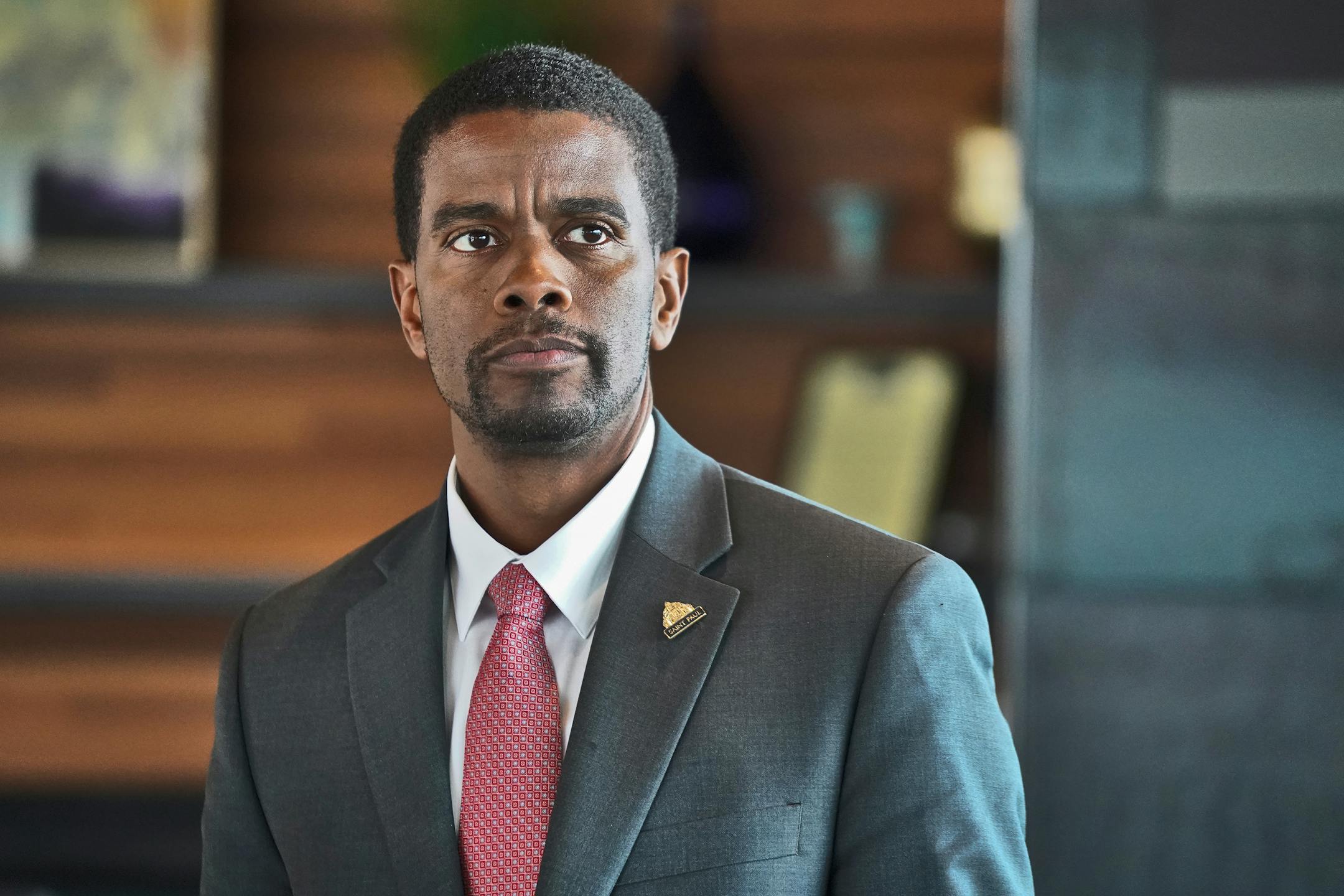
St. Paul Mayor Melvin Carter sat down with the Star Tribune on Dec. 17 to reflect on his second year in office — a year dominated by the debate over organized trash collection, City Council campaigns and a spike in gun violence — and talk about what's next (including his plans to run for re-election). The interview has been edited for clarity and length.
Q: The 2020 budget includes a 5.85% tax levy increase. This is the sixth consecutive levy increase in the past six years. What can you tell taxpayers about why they're seeing these increases year after year?
A: Obviously, the cost of doing business, the cost of operating the city government, goes up every year. The good thing is that our tax base has increased every year as well. So last year and this year, the levy increases that we proposed were both below the annual increases that we've seen in our tax capacity.
… As we think about St. Paul right now — which is home to over 30,000 people more than just ten years ago, and we're projecting an additional 30,000 people living in the city over the next 20 years — our ability to continue to invest and support the high-quality level of public services that St. Paul residents have grown to expect is especially critical now, but will only get even more so as our city continues to grow.
Q: Given that expected population growth and the increasing costs of providing these services, are you anticipating that additional levy increases will be needed in coming years?
A: Every year is different. So for example, this year, we started with a $17 million budget gap. And that means that if we just left the budget as it was last year, we'd have to cut $17 million worth of services. And so we found a middle space that included making over $4 million worth of cuts that included, thankfully, some additional [local government aid] support from the state as well.
I think we're going to have to continue to be very intentional around identifying the opportunities for savings and efficiencies, opportunities to find other revenue streams outside of our property taxes and being incredibly judicious about spending and about when we ask for additional tax revenue to support city services.
Ultimately, I think the foundational challenge is that leaving our tax levy at zero growth would mean a $17 million reduction in police services, fire services, recreation centers, libraries — all the things that we've come to really rely on to help us make our city work. And I have heard loud and clear from city residents that especially right now, we can't afford to try to cut our way to prosperity.


