
Medtronic buys N.J. firm that developed anti-infection technology

Purchase of Tyrx gives Medtronic a technology it says could save hospitals a lot of cash.

January 7, 2014 at 3:39PM
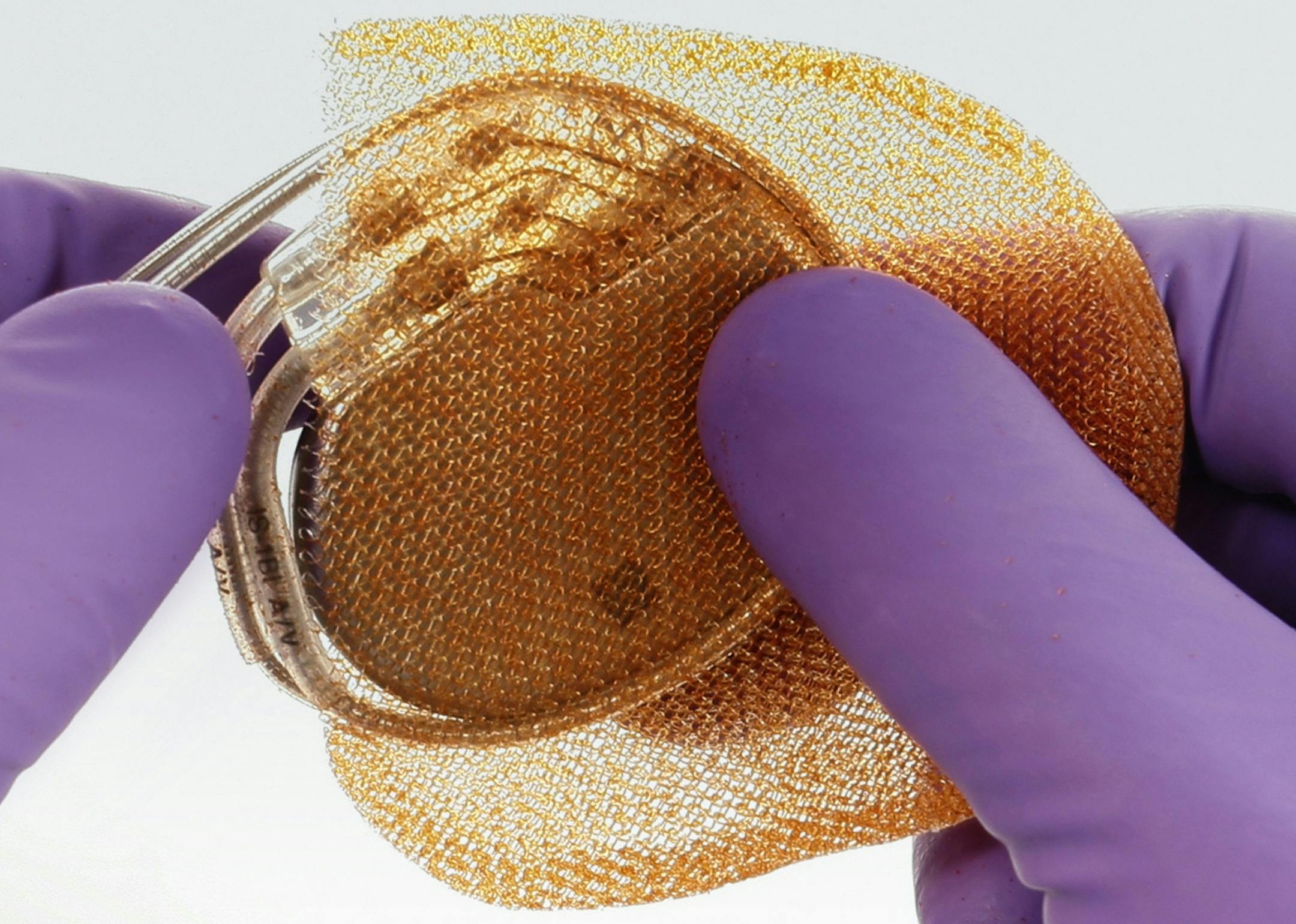
The Tyrx mesh pouch is infused with infection-fighting drugs.
The Tyrx mesh pouch is infused with infection-fighting drugs. (Stan Schmidt/The Minnesota Star Tribune)

Medtronic on Monday announced the acquisition of a company that makes a drug-coated pouch to prevent infection in patients implanted with cardiac and pain management devices, potentially saving hospitals thousands of dollars per patient.

The Fridley-based medical technology giant paid $160 million in cash for Tyrx, a maker of mesh pouches that envelop devices before they are implanted. Additional payments are possible for the private New Jersey-based company based on certain performance milestones. Medtronic said it expects the effect of the deal to be neutral to its fiscal 2014 earnings.

Perhaps the biggest result of the deal could be the reduction of infections for patients who receive devices from the world's largest medical device maker.

Dr. Marshall Stanton, vice president and general manager of Medtronic's tachycardia business, said a Tyrx study shows the pouches save about $1,000 per device recipient, when the cost of post-implant infection is factored in. While infections are infrequent, each infection can cost from $75,000 to $150,000 to treat. The device must be removed and a new device implanted after the infection clears.

And the risk of infection increases each time patients get devices replaced. Patients with pacemakers and implantable defibrillators generally must have their devices replaced every five to seven years, when the battery runs down.

"There is some clinical data available already. Vanderbilt University did a study showing the pouch decreased infection rates from 3 percent to 0.4 percent," Stanton said. "That made us very excited about the potential of this on a broad-use basis."

In addition to the Vanderbilt study, Tyrx conducted a study of its own involving 1,000 patients, showing that infections plunged with use of the pouch. Stanton said Medtronic plans to launch a 7,000-patient study of its own this year to gather more data.

"We want to be able to prove it to hospital administrators and health care systems around the world that they are going to save money if they use this," he said.

The Food and Drug Administration has approved the devices — one Tyrx pouch is used for cardiac device procedures and another is used when implanting neurostimulation devices for pain management. Medtronic said the technology fits well with its bread-and-butter business.

"While the risk of infection from an implanted pacemaker or defibrillator is low for most patients, repeated operative procedures after the initial device implant are associated with a substantial incremental risk of infection. This is estimated to cost the U.S. healthcare system more than $1 billion per year," said Pat Mackin, president of Medtronic's Cardiac Rhythm Disease Management business.

Matthew Dodds, an analyst with Citi Research, said the deal "is small but meaningful in the broader scope of [Medtronic's] shift toward offering more procedural solutions to hospitals."

With the Affordable Care Act's emphasis on keeping patients from being re­admitted to hospitals within 30 days after discharge — and penalizing hospitals for those patients who return within a month — Medtronic may have found a growing market, Dodds said on Monday.

"If you do the math, if you say the average is $50,000 to $100,000 in costs per infection and the rate is 2 percent, they could argue that it saves money," Dodds said. "That's pretty powerful today."

James Walsh • 612-673-7428

about the writer

about the writer

James Walsh

Reporter

James Walsh is a reporter covering social services, focusing on issues involving disability, accessibility and aging. He has had myriad assignments over nearly 35 years at the Star Tribune, including federal courts, St. Paul neighborhoods and St. Paul schools.

See Moreicon

More from Business

See More
card image
Fairview Health Services

The school is changing an elective course while still working with the Eden Prairie-based health care giant after students raised concerns.

This transmission electron microscope image shows SARS-CoV-2, the virus that causes COVID-19, isolated from a patient in the U.S., emerging from the surface of cells cultured in the lab. (NIAID/TNS) ORG XMIT: 1659810
card image