Two new heart devices that performed well in controlled clinical experiments are continuing to show strong safety results in the hands of less experienced doctors and more diverse patient populations following U.S. sales approval.
The Minnesota-based cardiac divisions of Medtronic PLC and Boston Scientific Corp. presented scientific results Thursday from two ongoing "real world" device studies that found the post-approval experience with the devices has been as good, if not better, than the results produced with the carefully selected doctors who took part in the controlled clinical trials that led to approval from the Food and Drug Administration.
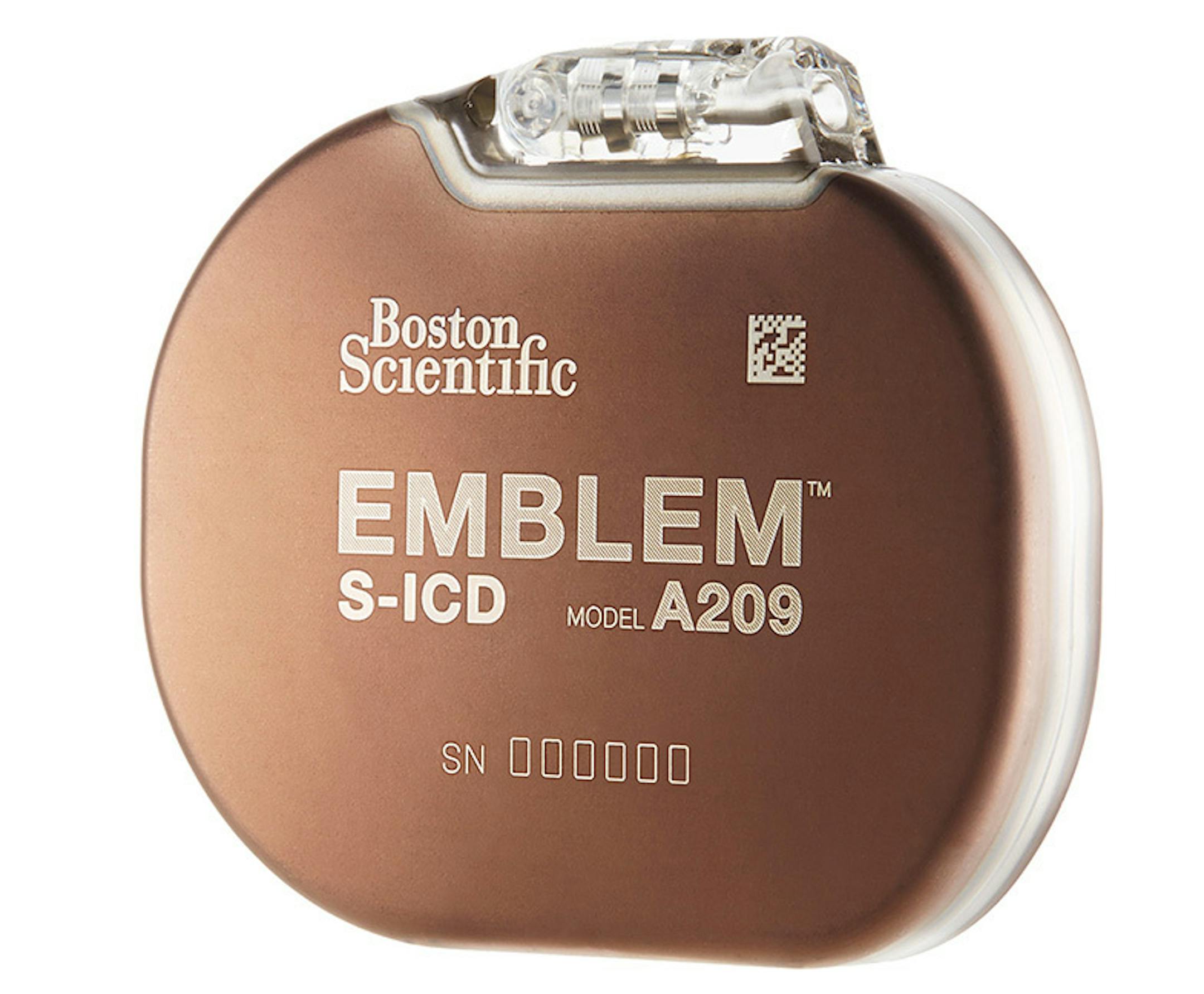
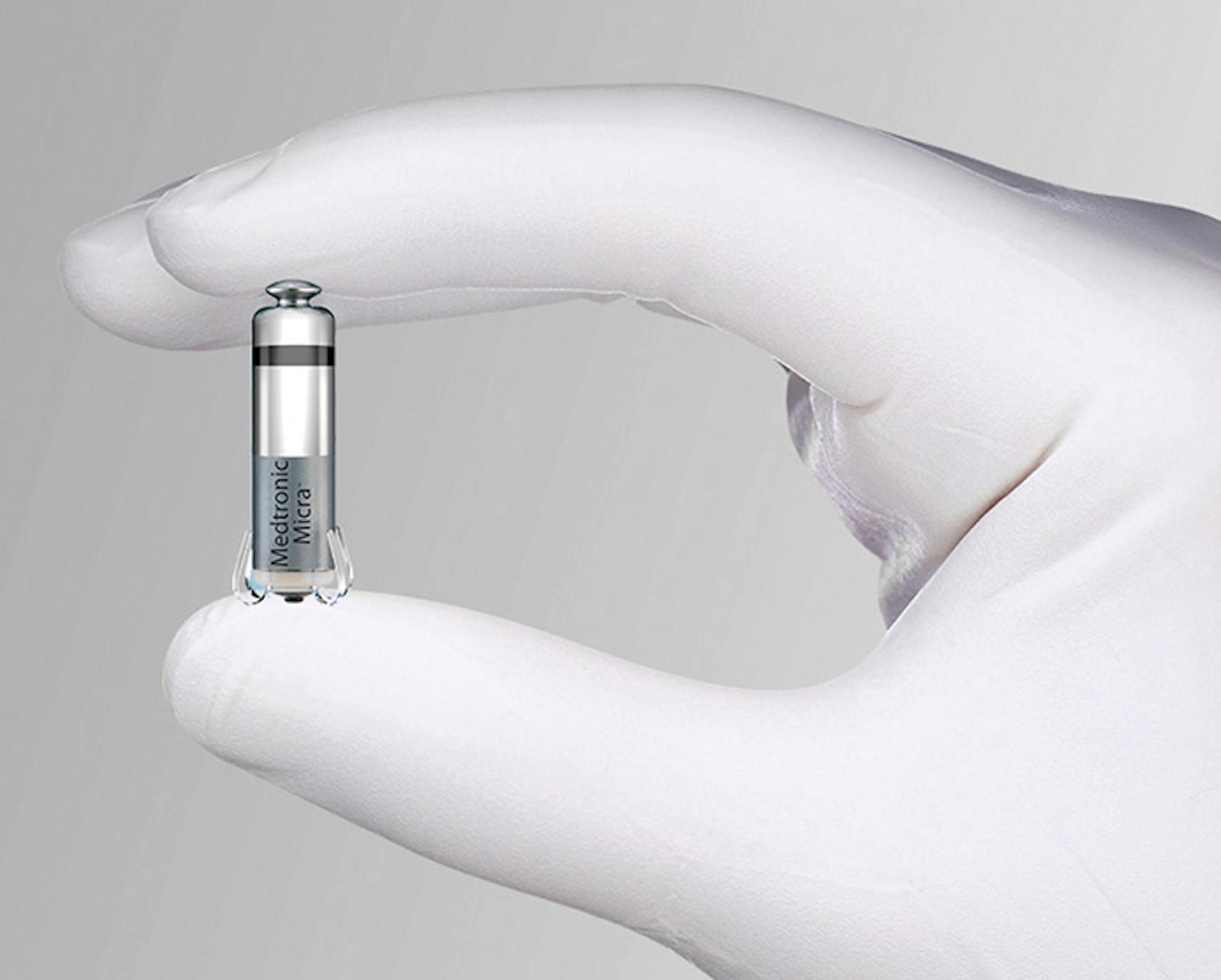
The studies examined experiences with Medtronic's Micra leadless pacemaker and Boston Scientific's Emblem Subcutaneous Implantable Cardioverter Defibrillator (S-ICD), both of which are widely promoted by their makers and closely tracked by stock analysts. The positive study results were presented Thursday morning in Chicago at the annual meeting of the Heart Rhythm Society, an international association of electrophysiologists.
The Micra pacemaker and Emblem S-ICD are minimally invasive devices that eliminate the need to attach the heart with leads that deliver an electric charge from a traditional pacemaker or defibrillator. Traditional leads can become infected, fractured or dislodged from the heart tissue and are the source of many of the adverse events associated with existing pacemakers and defibrillators.
Medtronic's Micra is a pill-sized pacemaker that is implanted entirely inside the heart's right ventricle; it doesn't need a lead because it affixes directly to the heart. Boston Scientific's S-ICD is a slim implantable defibrillator that is inserted just under the skin; although it uses a lead to deliver current, the lead's electrode does not physically touch the heart.
The ongoing studies found both devices had high implant success rates and relatively low numbers of complications 30 days after implant.
Such real-world use studies reflect growing interest in doing long-term surveillance on new devices.
Registries look to see whether newly approved devices perform well in the field and if there are risks of rare complications that slipped through the initial studies. Registry data also have been used to expand approved indications for a device, like when the FDA granted new approved uses for Edwards Lifesciences' Sapien transcatheter aortic valve in 2013.