

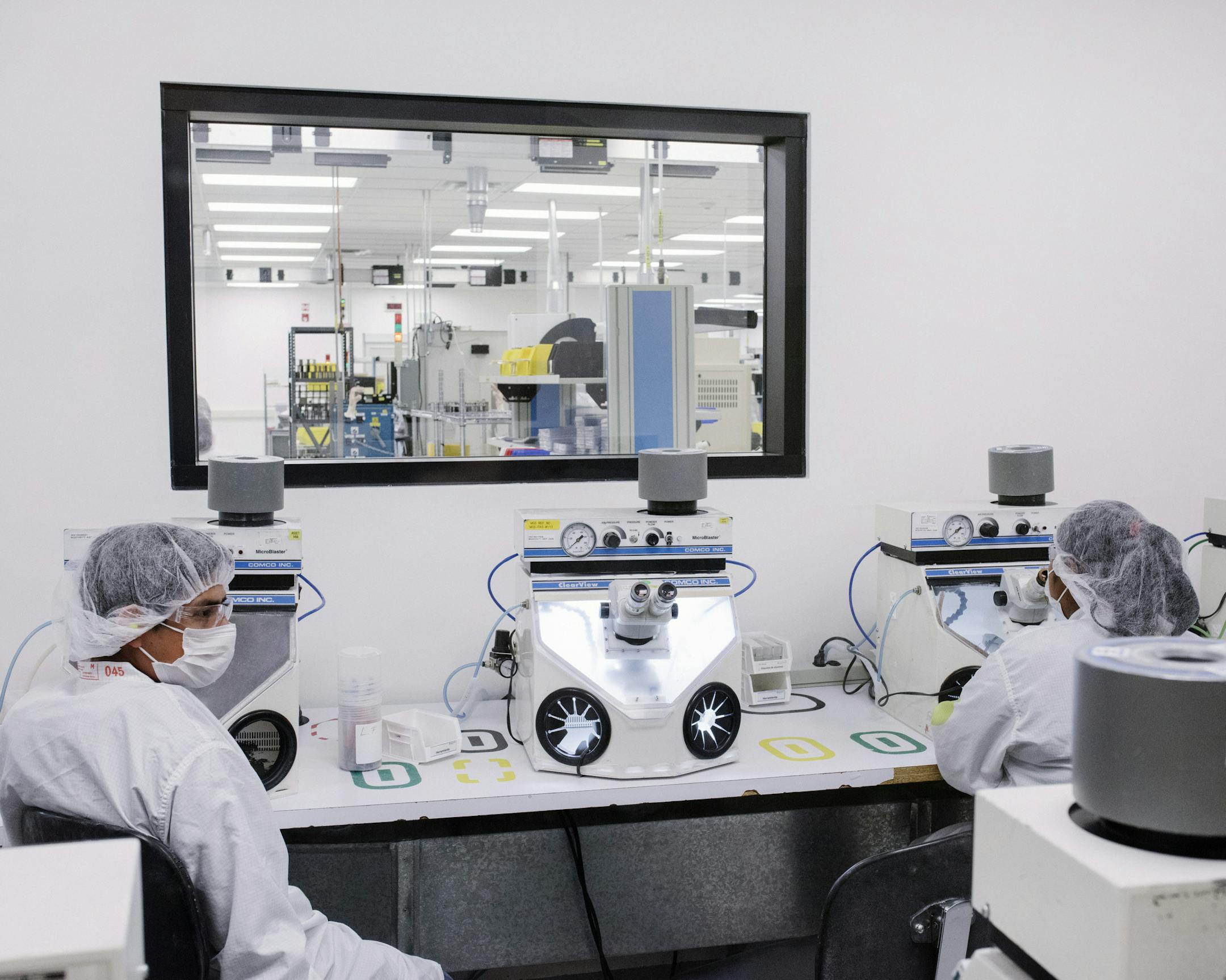
TIJUANA, Mexico – The North American Free Trade Agreement has transformed this sprawling border town from gritty party spot to something entirely different: a world capital of medical devices.
Trucks choke boulevards lined with factories, many bearing the names of U.S.-run companies: Medtronic, Hill-Rom, DJO Global and Greatbatch Medical. Inside, Mexican workers churn out millions of medical devices each day, from intravenous bags to artificial respirators, for the global market.
Nearly everyone in the United States who has a pacemaker — in fact, people all over the world — walks around with parts from Tijuana.
When President Donald Trump threatens to redo trade deals and slap steep taxes on imports in an effort to add more manufacturing jobs, he focuses largely on car companies and air-conditioner makers. But the medical devices business makes a particularly revelatory case study of the difficulties of untangling global trade.
The United States imports about 30 percent of its medical devices and supplies. The trouble is, these jobs are among the most difficult to relocate to the United States. To ensure the safety of products that often end up inside the human body, medical devices are strictly regulated and require lengthy approvals from the Food and Drug Administration and other inspectors.
If the companies do keep major operations outside the country, new taxes on imports would most likely increase the cost of their products — a change that could jolt not only the devices industry in coming years, but also health care nationwide.
In Tijuana the factories are bound to stay put for years, at least. During that time, health executives say, a border tax could fracture the industry's sophisticated global supply chain and force U.S. hospitals to pay more for vital necessities — or worse.
"The real danger is the supplies won't be available at all," said Dr. John Jay Shannon, chief executive of the Cook County Health and Hospitals System in Chicago.




