

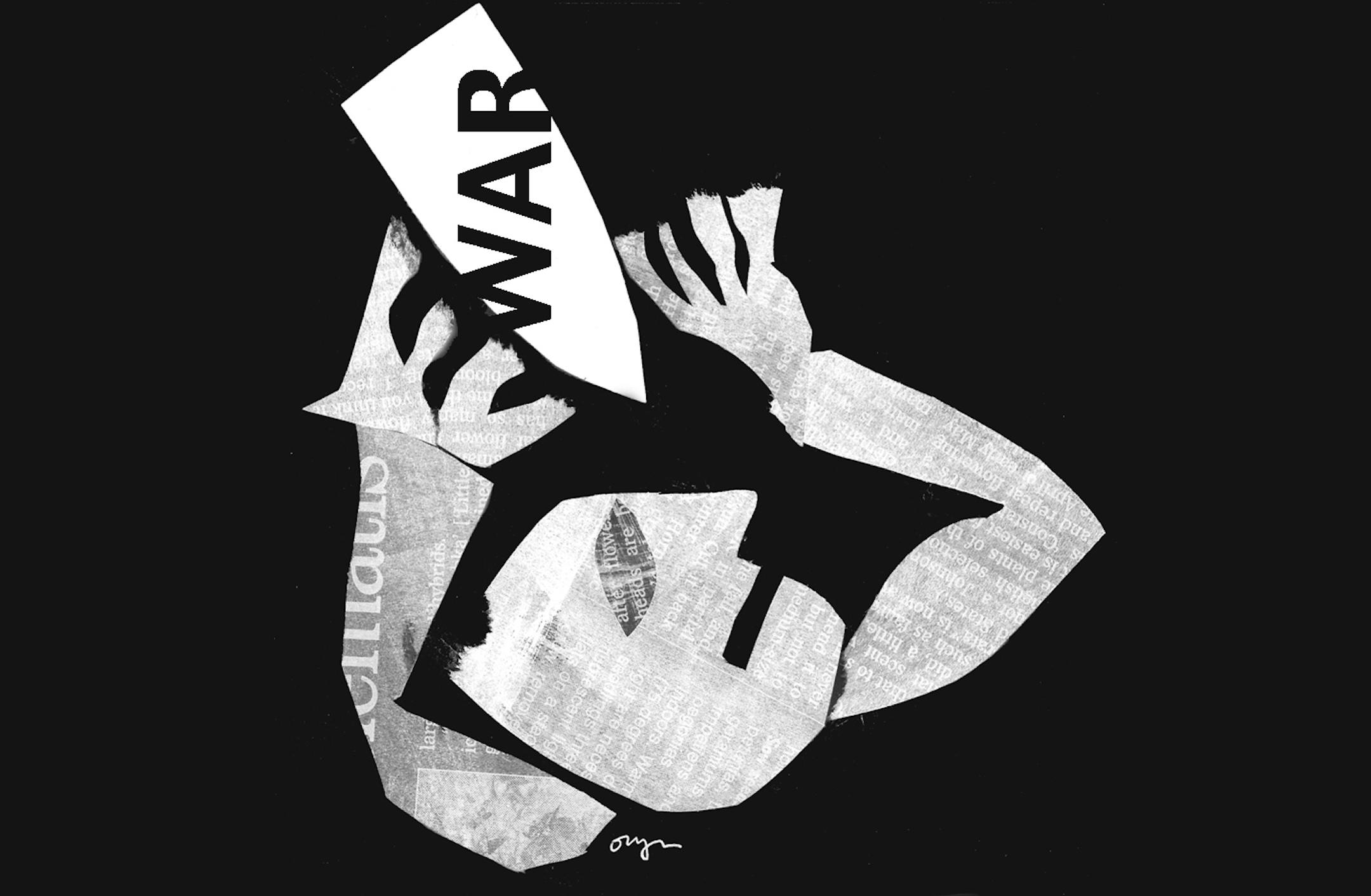
I recently heard a report on public radio concerning "moral injury" among Iraq and Afghanistan War veterans. That's the psychic trauma caused by acting or witnessing acts that conflict with core values — brutalizing prisoners, for instance, or killing children.
A push is on to recognize moral injury as a distinct condition within post-traumatic stress disorder and to treat it with customized interventions. The pain the soldier in the report suffered — after he and his buddies wiped out an Iraqi family of five whose car inexplicably failed to slow for a checkpoint — needs a different label and more calibrated care than other post-combat miseries that afflict soldiers.
My reaction to this account was layered. I was heartened by the sensitivity and ingenuity mental health professionals were bringing to healing the thousands of U.S. military members scarred by their service in these wars.
I was also impressed, once again, by how serious the news media's coverage has been of today's veterans. The problems of brain injury, suicide rates, prosthetics, unemployment, psychological impairment and the adequacy of the Department of Veterans Affairs' response continue to get sustained, compassionate news treatment unlike any that Vietnam-era veterans ever saw.
That's all for the good.
But this report on moral injury among our soldiers also exemplified this country's boundless capacity for self-absorption. It comes amid a gaping absence of media attention to the horrendous damage suffered by others in the same wars.
Suppose the operator of a U.S. drone — seated at a computer screen in Nevada and acting on bad intelligence — targets a wedding party in Afghanistan with a Hellfire missile that kills 50 celebrants. He later learns they had no military "value."
Although the drone pilot was just doing his job, the indispensable finger on the trigger was still his, and because he has a conscience he's stricken with remorse. He deserves compassion and help — and media attention.


