

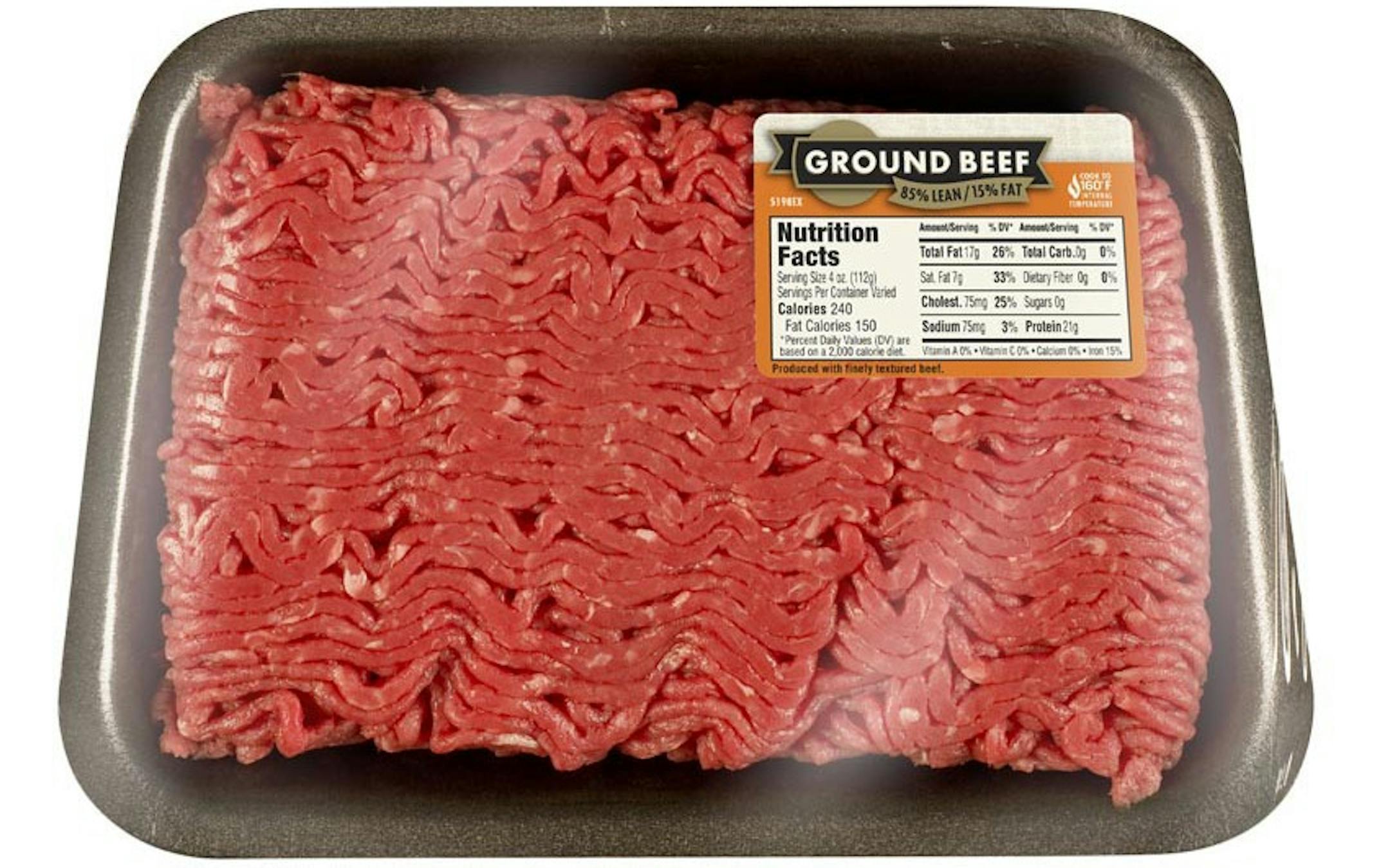
WASHINGTON – New meat labeling rules designed to bring the United States up to World Trade Organization (WTO) standards take effect this weekend over the pitched protests of many of the nation's beef, pork and poultry processors.
Minnesota-based Cargill and Hormel are major players in a fight to change the rules that will require labels to specify where animals used in meat products were born, raised and slaughtered.
Both companies, as well as Golden Valley-based General Mills, signed an Oct. 29 letter asking members of the Senate and House farm bill conference committee to amend "country of origin labeling" requirements, known as COOL. The letter said COOL "could result in widespread disruption" in agriculture and the economy.
"Our company supports the views held by industry organizations ... that the implementation of a mandatory country-of-origin labeling rule would confuse consumers, raise food prices, be costly to implement and serves no public health or food safety benefit," said Hormel spokeswoman Becci Smith.
Cargill's lobbyists have made much the same case to Congress, company spokesman Mike Martin said. "Cargill favors the repeal of country-of-origin labeling."
The specific concern is that as of Nov. 23, U.S. meatpackers will no longer be able to list meat sources in a catch-all category without saying exactly where animals were born, raised and slaughtered. Right now, meatpackers use labels that say "product of Country X, Country Y and Country Z," but not what role each country played.
Consumer advocates say the current complaint is just one more way the meat industry hopes to avoid any regulation that provides shoppers with facts that they should have.
"The industry has been opposed all along and looking for a way to undermine labeling," said Christopher Waldrop, director of the Food Policy Insitute at the Consumer Federation of America. Among consumers, "there is a hunger for information about food. More specific information is better information."



