

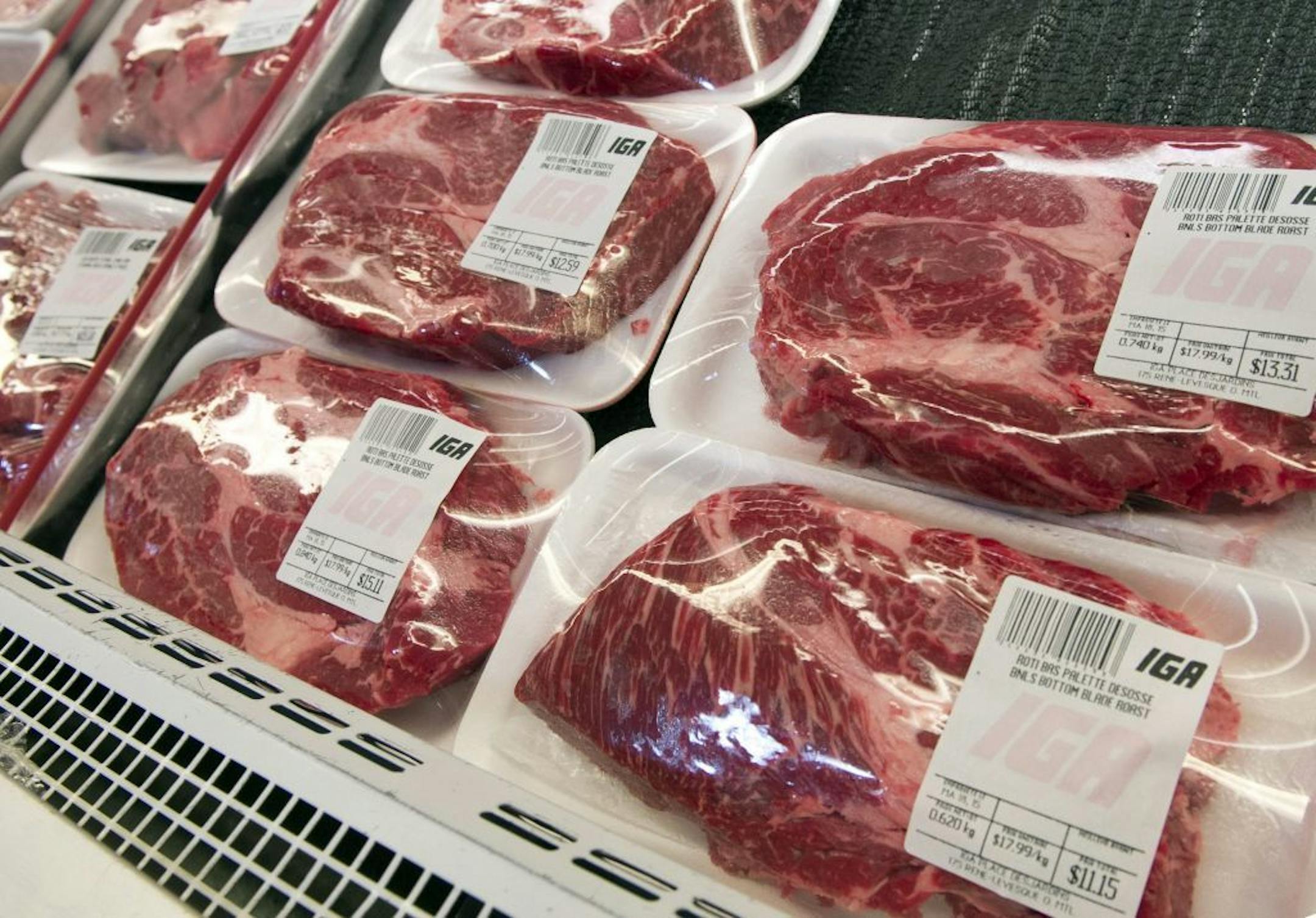
WASHINGTON – The U.S. court system upheld rules that require meatpackers to tell consumers where animals used in their products are born, raised and slaughtered.
But the World Trade Organization (WTO) may have killed the rules.
Last week's WTO ruling against country of origin labeling — known as COOL — touched off a dicey debate. It concerns the balance between national sovereignty and international oversight in the era of global trade.
"We have an extragovernmental body making the rules," said Rep. Tim Walz, D-Minn. "I was elected by the people of Minnesota. But we jumped faster for the WTO than we do for our constituents."
While food labeling opponents, including Minnesota-based Cargill and Hormel, failed to convince a series of federal judges that COOL rules were unreasonably burdensome and infringed on companies' free speech, the U.S. House is now expected to repeal the COOL rules because of the WTO decision.
The Senate may or may not follow suit. But the fight over whether the U.S. gives up too much control in the name of international sales seems destined to continue.
Even as President Obama moved closer to Senate approval last week for enhanced negotiating power in cutting new trade deals in Asia and Europe, questions lingered about what power the country sacrifices in participating. The WTO ruling, which allowed the Canadian and Mexican governments to financially penalize U.S. imports because of COOL, provided a powerful example of how outside organizations can undermine U.S. policy.
The rules requiring disclosure of where animals are born, raised and slaughtered date to 2011. U.S. food labeling advocates supported disclosure as a matter of consumer choice. But Mexico and Canada feared that consumers would shun their products and protested. After four years of complaints, rulings and appeals, the WTO issued a final decision last Monday, and food labeling opponents in Congress immediately moved to repeal the requirements.


