

His first season of racing at Canterbury Park didn't go as well as Robertino Diodoro hoped. Instead of becoming discouraged, the trainer came back to the Shakopee track this year — and brought more than twice as many horses.
Diodoro kept 20 thoroughbreds at Canterbury last summer but also spent time tending to his stables in California and Canada. Impressed by the lively crowds and growing purses at Canterbury, he returned with more than 50 horses this year, with plans to make Minnesota his home base. Friday, Diodoro's optimism was rewarded in grand style when his colt Ella's Kitten easily won the first race of Canterbury's 69-day season.
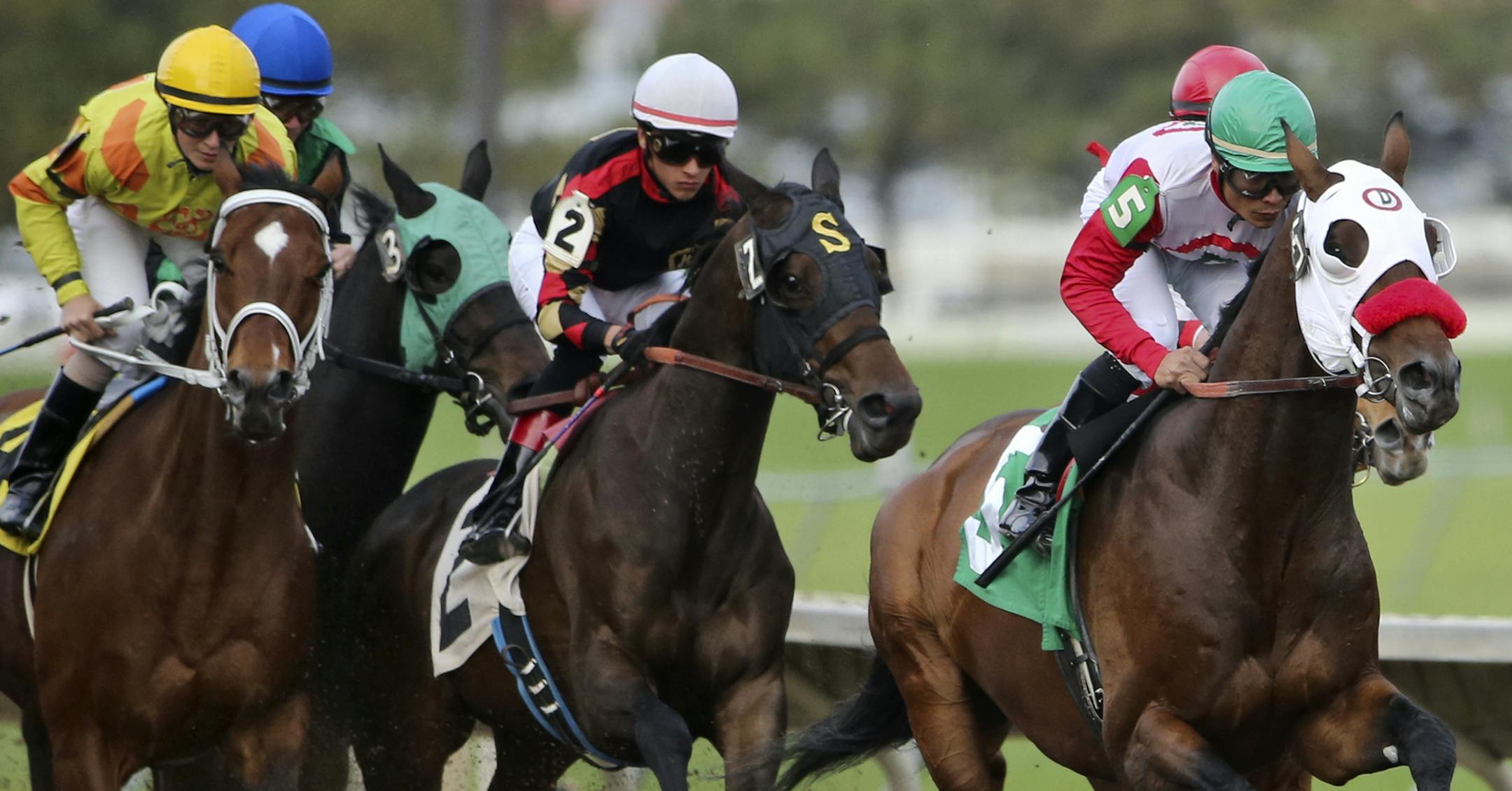
Canterbury officials are enthusiastic about this season, too. They anticipate the track will continue the gains in field size, wagering and racing quality that began last summer, when purses increased significantly. A crowd of 5,853 turned out for Friday's eight-race card and wagered $182,768; total handle was $563,724, with the per-race average of $70,465, nearly $20,000 higher than last year's opening night.
"The purses are good, they treat the horsemen well and it's fun for the owners,'' said Diodoro, the leading trainer at Arizona's Turf Paradise last winter. "There are a lot of places across the country where there are 50 people in the grandstand. The whole atmosphere here, it's a big attraction.''
In the third year of its purse-enhancement deal with the Shakopee Mdewakanton Sioux Community, Canterbury will pay $13 million in purses — twice as much as it offered in 2011. That drew more than 2,000 applications for its 1,600 stalls at a time when many tracks around the country are having difficulty attracting horses.
Canterbury's stables will be full for the second consecutive season. Eric Halstrom, its vice president of racing operations, said the track has the luxury of being more selective as well, allocating its stable space to higher-quality trainers. A deeper pool of talented riders has joined the jockey colony, with Turf Paradise riding champion Jorge Carreno joining such regulars as Dean Butler and Scott Stevens.
"We haven't hit our peak yet,'' Halstrom said. "As you look around the country, tracks are struggling for horses. Some of them are canceling race days. I think we're going to outperform the industry.
"We want to leave the meet saying the quality of our horses and riders is as good as we've ever had. There's no reason to believe that won't happen.''
 djoles@startribune Opening night at Canterbury Park Friday, May 16, 2014, in Shakopee, MN**Robertino Diodoro,cq](https://arc.stimg.co/startribunemedia/RLNY3HV7Y5IJQRQVUIXNH3NBAQ.jpg?&w=1080)


