

Opinion editor's note: Star Tribune Opinion publishes a mix of national and local commentaries online and in print each day. To contribute, click here.
•••
Should the federal government have the power to address broad public health emergencies?
Last week, a federal judge effectively answered no.
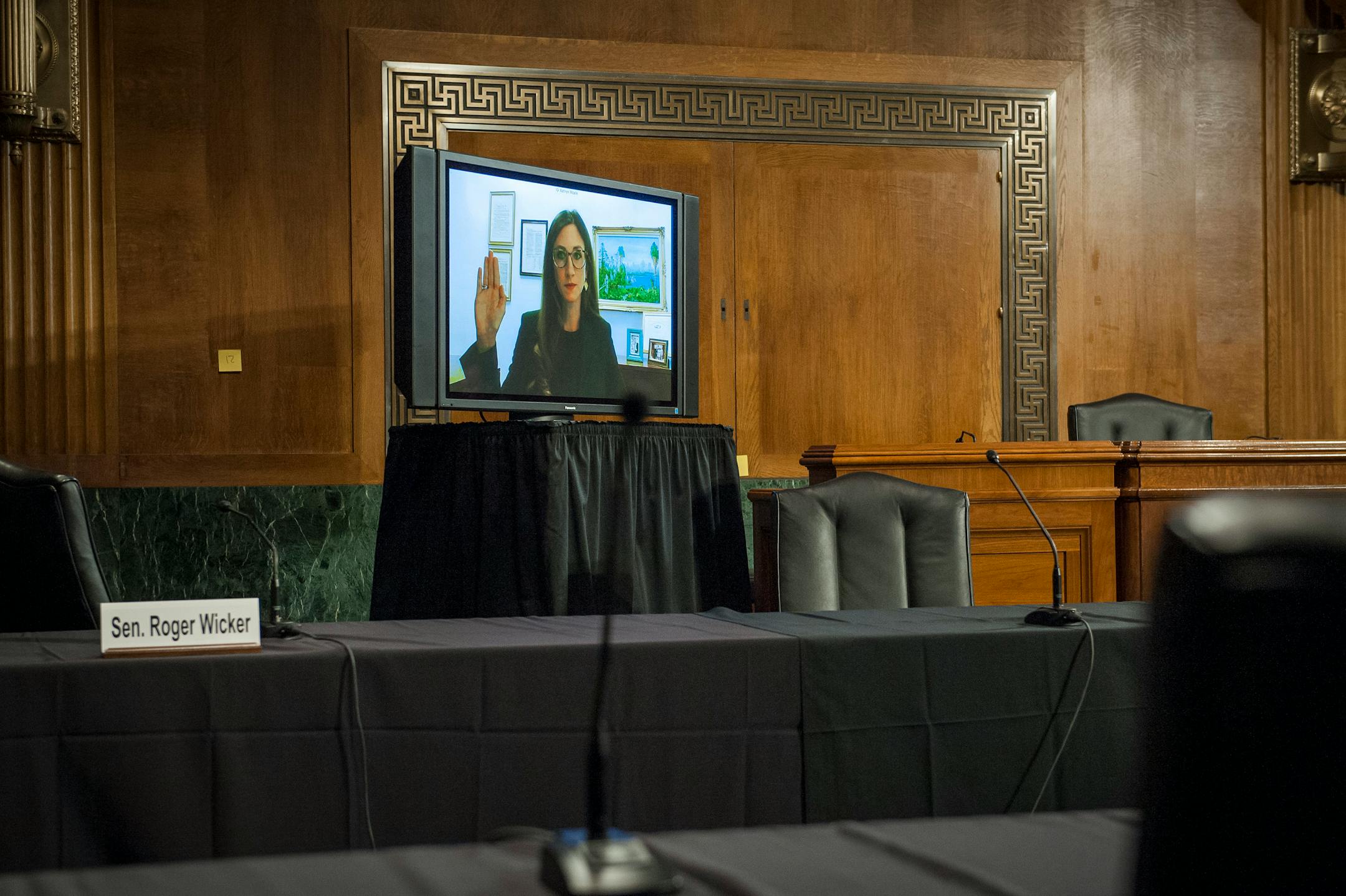
The judge, Kathryn Kimball Mizelle, who serves on a federal district court in Florida and was appointed by former President Donald Trump, issued a nationwide injunction blocking the government's mask mandate for planes, trains, buses and other forms of public transportation.
No matter how you feel now about masks, you should be alarmed by her decision. Mizelle's ruling could prevent the federal government from effectively and nimbly responding to future pandemics. And long after this pandemic has faded, her approach and rationale could undermine the federal government's authority to confront other big problems, from occupational health and safety to climate change.
The Biden administration has appealed the decision to the 11th Circuit Court of Appeals, but that carries its own risks. Six of the 11 active judges on that court are Trump appointees. A loss there by the Justice Department could permanently weaken the government's authority to respond to health emergencies.
Up until very recently, the statutory authority of the Centers for Disease Control and Prevention to try to curb the interstate or international transmission of an infectious, deadly disease was not in doubt. The Public Health Service Act authorizes the CDC to "make and enforce such regulations" that in its "judgment are necessary to prevent the introduction, transmission or spread of communicable diseases."


