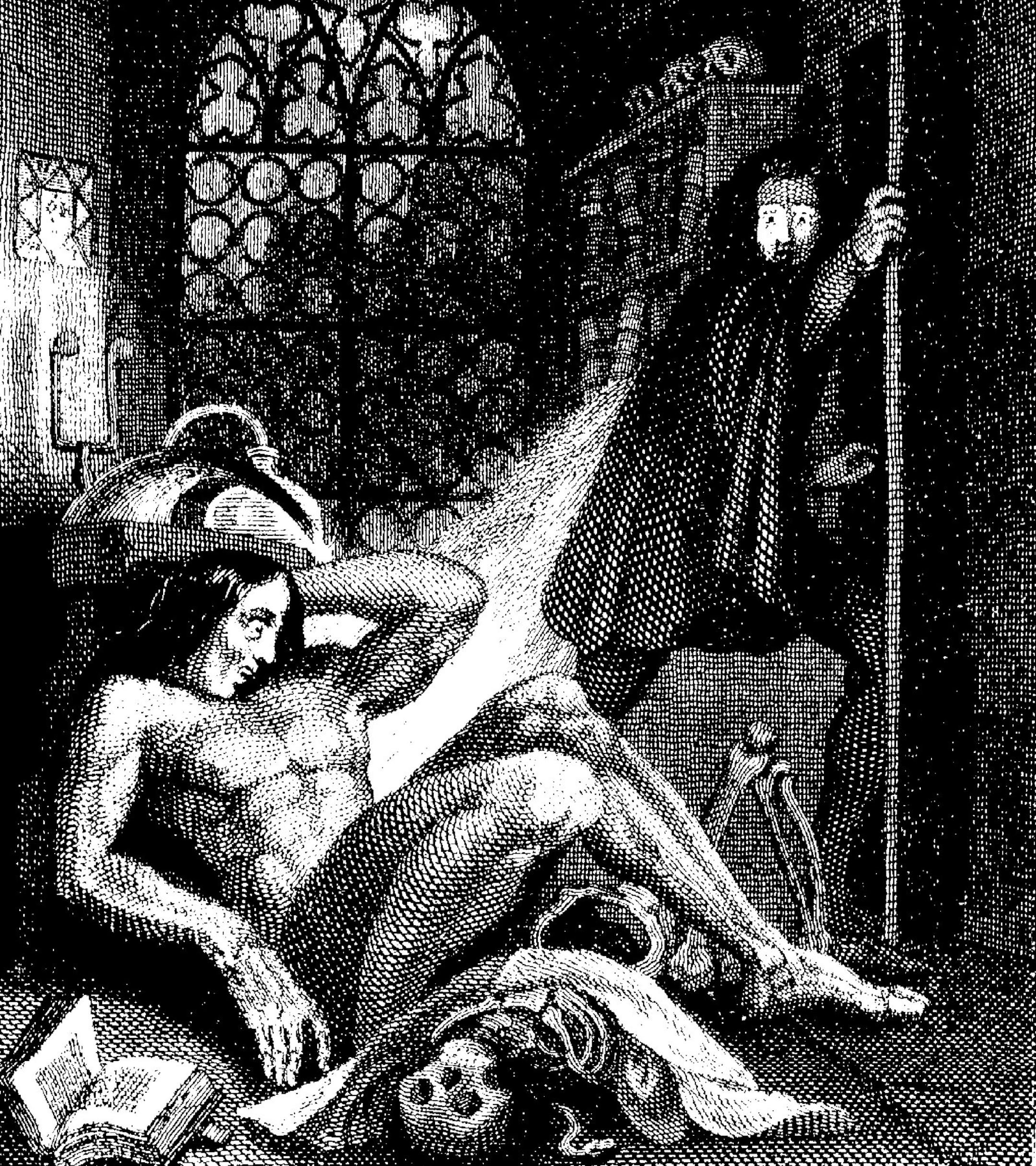
Two hundred years ago this month, on a thundery June night in 1816, at a villa high in the Swiss Alps, a wayward teenage girl had a nightmare for the ages.
Summer looms before us — and rather a scary summer at that. Don't be afraid to give your reading list a bicentennial jolt by revisiting Mary Shelley's freakish masterpiece, "Frankenstein."
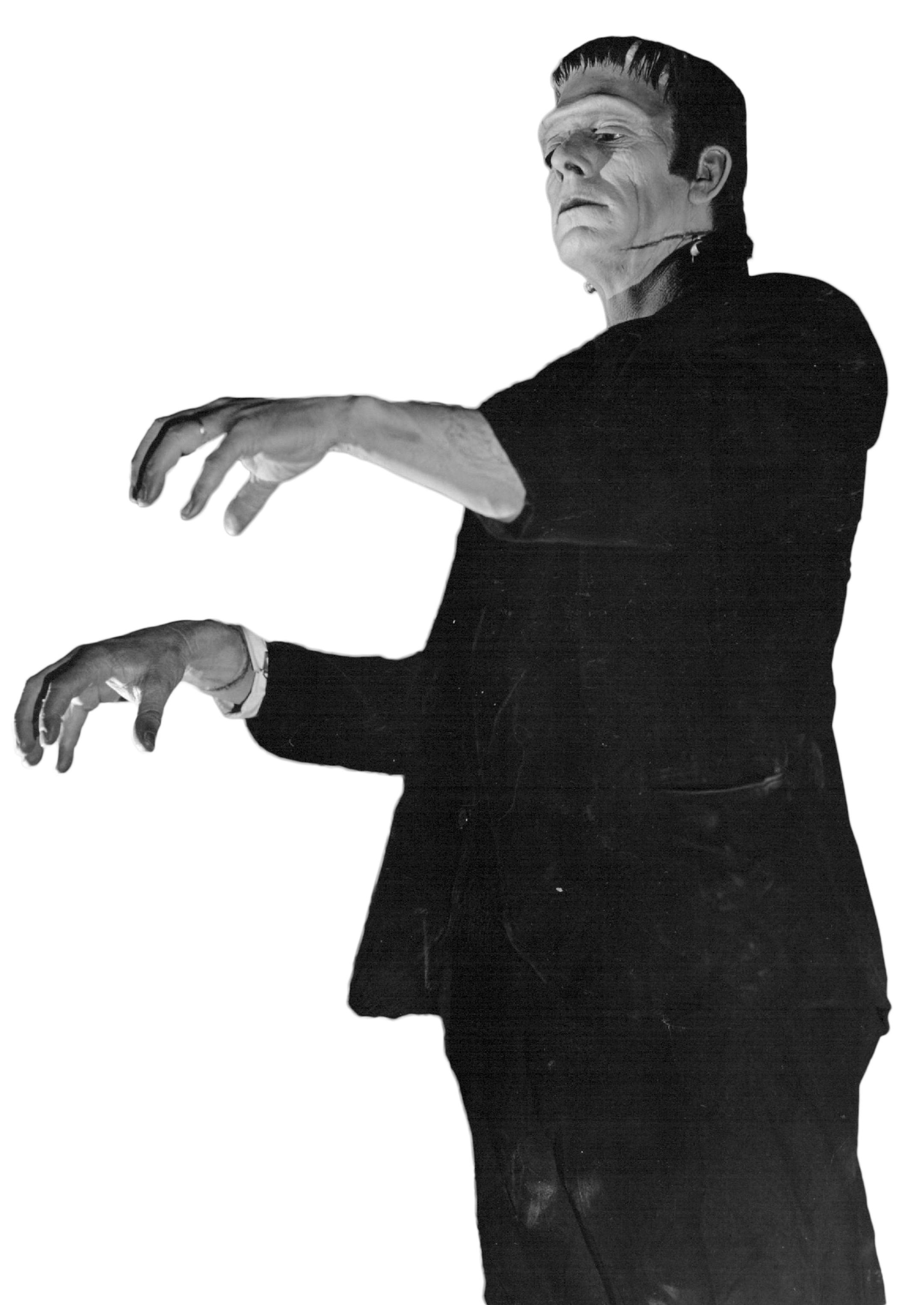
Inspiration for a thousand imitations, interpretations, spin-offs and spoofs, "Frankenstein" is, above all, a strange book — one of those works of art weirdly diminished by its own uncanny power and success. From the beginning, its mythic story line and iconic characters took such hold over so many imaginations that the tale has come to be seen not merely as a cliché but as a seemingly timeless feature of the cultural landscape, a comfortable old piece of humanity's psychological furniture.
A Frankenstein monster is a self-made monster, a fatal mistake born of overweening ambition. Everybody knows this; surely, everybody always has. It somehow comes as a surprise to contemplate that one day, long ago, somebody simply made the whole thing up.
Truth is, the story of who made it up and how has a dark enchantment of its own. Mary Shelley was the precocious daughter of celebrated English radicals and freethinkers. Her mother died giving Mary birth (a common catastrophe at the time), and Mary was raised by her brilliant and egotistical philosopher father, William Godwin — which was likely something of an uncommon catastrophe.
At 16, she began an illicit extramarital romance with Percy Bysshe Shelley, a self-indulgent genius well on his way to becoming one of the leading English Romantic poets. It was with him and Lord Byron, another of that era's famed artist/agitators, that she traded ghost stories one night while summering in Switzerland.
The yarn-spinning set off a creative storm in Mary, by then still only 19, and out of a dream she had that evening she brought to life "Frankenstein." Other events during its composition may have contributed to the novel's macabre, guilt-ridden themes — notably the suicide of her poet paramour's wife. What's certain is that Mary's "ghost story" is still alive in Western culture two full centuries later in a way the work of her companions — whose names may be better remembered — is not.
One reason is that the moral hazard of hubris — of grandiosity and overconfidence leading to ruin — has never been more vividly embodied. It is specifically a scientific ambition that seduces and destroys Victor Frankenstein — "I pursued nature to its hiding places," he confesses, and "tortured the living animal to animate the lifeless clay." But he warns, after his disaster, against allowing any pursuit, any goal, to become an obsession "that has a tendency to … destroy your taste for … simple pleasures." Any such all-consuming passion, he has learned, is "not befitting the human mind."