
Marsh Lake restoration project receives boost from Army Corps

Plan to restore western Minnesota lake and ecosystem has big benefits for fish, wildlife and water.

January 5, 2012 at 5:02PM
(The Minnesota Star Tribune)
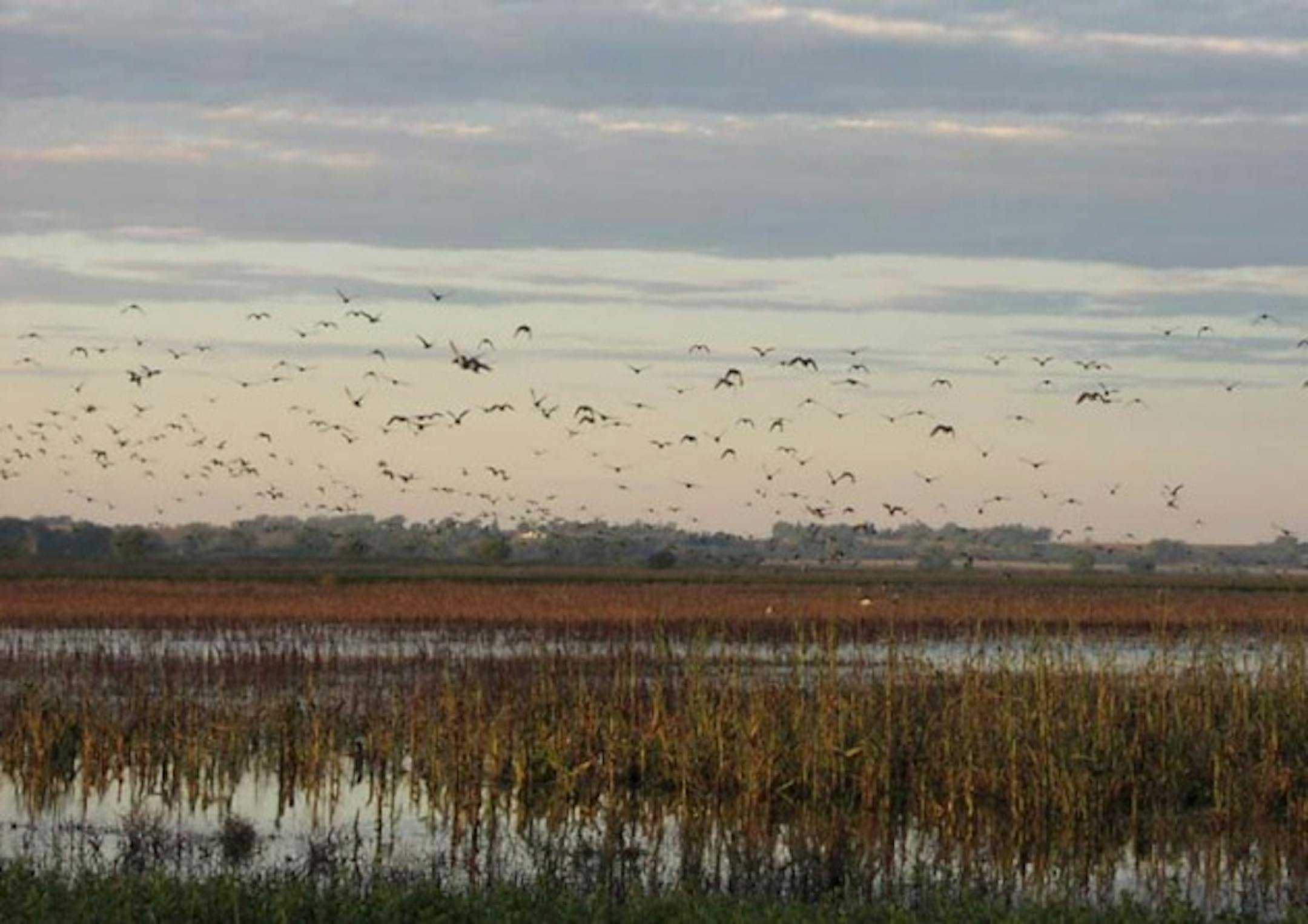
In 2009, corn was planted in the DNR's moist soil management area after the water was drawn down in early summer. The corn attracted waterfowl in the fall. The area is a refuge adjacent to Marsh Lake in western Minnesota.
(Minnesota DNR/Special to the Sta/The Minnesota Star Tribune)

Waterfowl and other birds would benefit greatly under a plan to restore Marsh Lake in western Minnesota that the Army Corps of Engineers moved closer to reality on Thursday.

The Corps announced that its chief engineer signed off on the project, moving it an important step closer to submission to Congress for funding.

"This is great news in what has been a years-long process," said Dave Trauba, Department of Natural Resources manager at Lac qui Parle Wildlife Area near Appleton, Minn.

Marsh Lake lies entirely within the massive, 30,000-acre state area. The restoration project would restore 5,000 acres of the lake, while also restoring flows to the historic channel of the Pomme de Terre River.

Project cost is estimated at $10 million, with 65 percent paid by the federal government and the rest by the state.

The Lessard-Sams Outdoor Heritage Council has recommended state funding for the project from Legacy Act money.

At one time, Marsh Lake was a major continental stop-over spot for ducks and other migratory waterfowl. Today, it's turbid and carp-filled, and only rarely used by large concentrations of ducks and geese.

However, adjacent to it — as shown in the photo above — is a specially designed "moist soil management area" constructed by the DNR, along with Ducks Unlimited and other groups. Using pumps, the area, which is closed to hunting, mimics seasonal flooding and drawdowns, providing a rich plant environment for ducks and other birds.

ADVERTISEMENT

Despite its problems, Marsh Lake remains home to the largest breeding colony of pelicans in North America.

"The chief's report is important," Trauba said. "Now it's up to our citizens, along with our congressional delegation, to stress the importance of the project to the health of the western Minnesota ecosystem."

Historically, spring snow melt joined seasonal rains to fill the lake, welcoming migratory birds on their northward flights.

In summer, the lake naturally drew itself down, exposing mud flats frequented by shorebirds, while also providing an important drying period for aquatic plant germination.

In autumn, rains again filled the lake , and sego pond weed, wild celery and other foods favored by migrating waterfowl flourished.

"The Corps has undertaken a number of important ecosystem restoration projects around the country, and this would be another," Trauba said. "It's been a long process to get to this point"

about the writer

about the writer

Dennis Anderson

Columnist

Outdoors columnist Dennis Anderson joined the Star Tribune in 1993 after serving in the same position at the St. Paul Pioneer Press for 13 years. His column topics vary widely, and include canoeing, fishing, hunting, adventure travel and conservation of the environment.

See Moreicon

More from Sports

See More
card image
Jacquelyn Martin/The Associated Press

Lindsey Vonn, skiing with a torn ACL in her left knee, did not complete the women’s downhill run on a busy Sunday for Minnesota’s Olympians at the Milan Cortina Games.

card image
card image