

There was a time in my life, in the not-so-distant past, when cannabis was immensely important to me.
Not because I used it — I've tried it but don't like the way it makes me feel — but because voters in California were being asked whether pot should be legal for adult recreational use. I took it upon myself to try to fully understand the upsides and downsides of the 2016 ballot initiative, so I could help readers make informed decisions.
The No. 1 worry I heard then was the effect that legalization would have on children. In fact, my position is the same as the one voters embraced when they overwhelmingly approved legalization: No one under the age of 21 should use marijuana. Nor should children be bombarded with cannabis ads.
As it turns out, both of those things are widespread.
According to the National Institute on Drug Abuse, a small number of kids try pot in the eighth grade, but by the time they are high school seniors, nearly 44% will have tried cannabis. (That compares with 61% who will have tried alcohol.) So far it's unclear whether teen usage rises when states legalize marijuana.
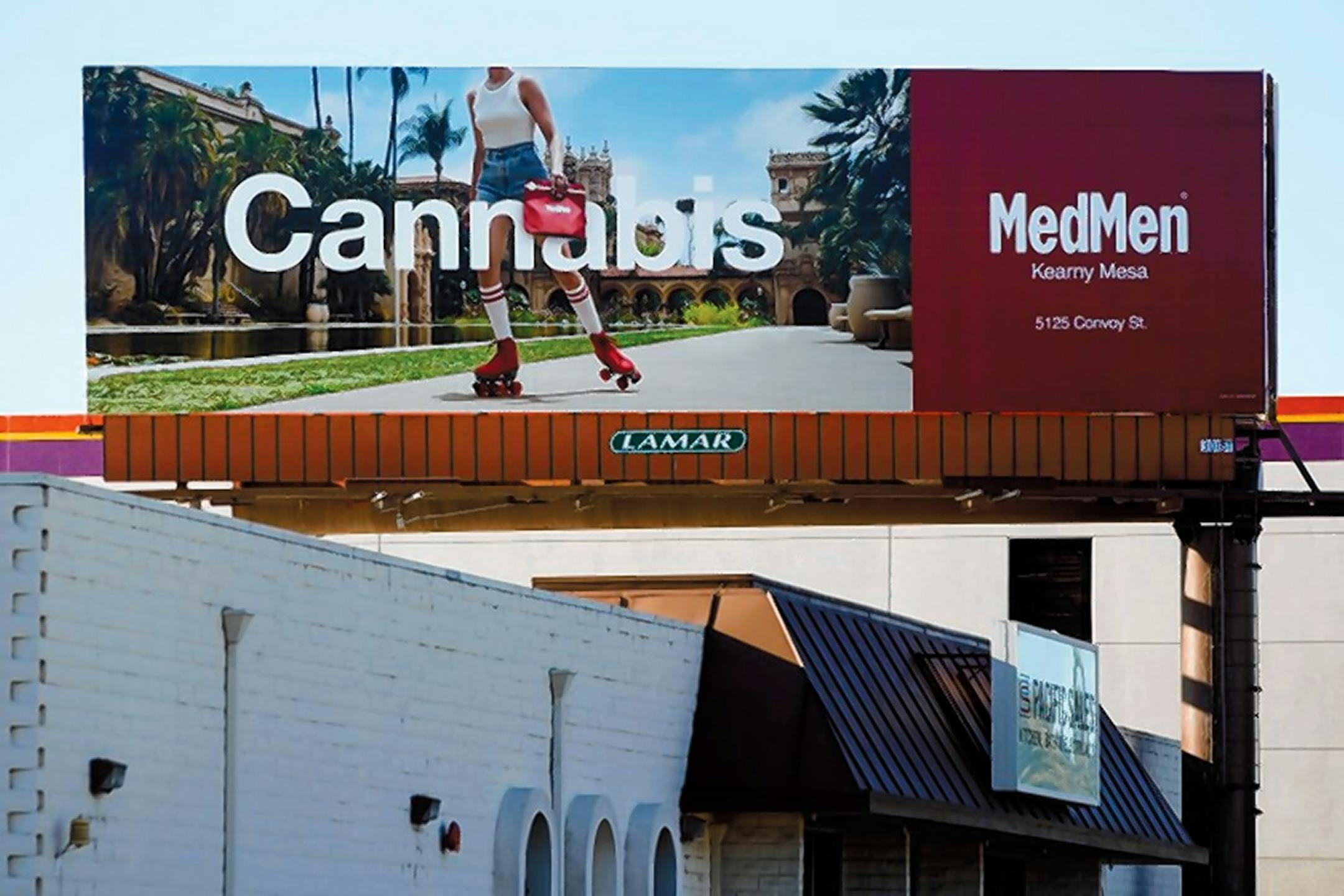
And just try to drive on any major thoroughfare without seeing billboards advertising cannabis brands, dispensaries and delivery services. The idea that kids are being protected from cannabis ads is laughable.
Still, we have to acknowledge that cannabis, like alcohol, is a fact of life.
But it's disingenuous to pretend that there is no downside to the drug, particularly when it comes to children, teenagers and very young adults. Heavy pot use among those whose brains are still developing is an invitation to disaster. And cannabis addiction is real.


