

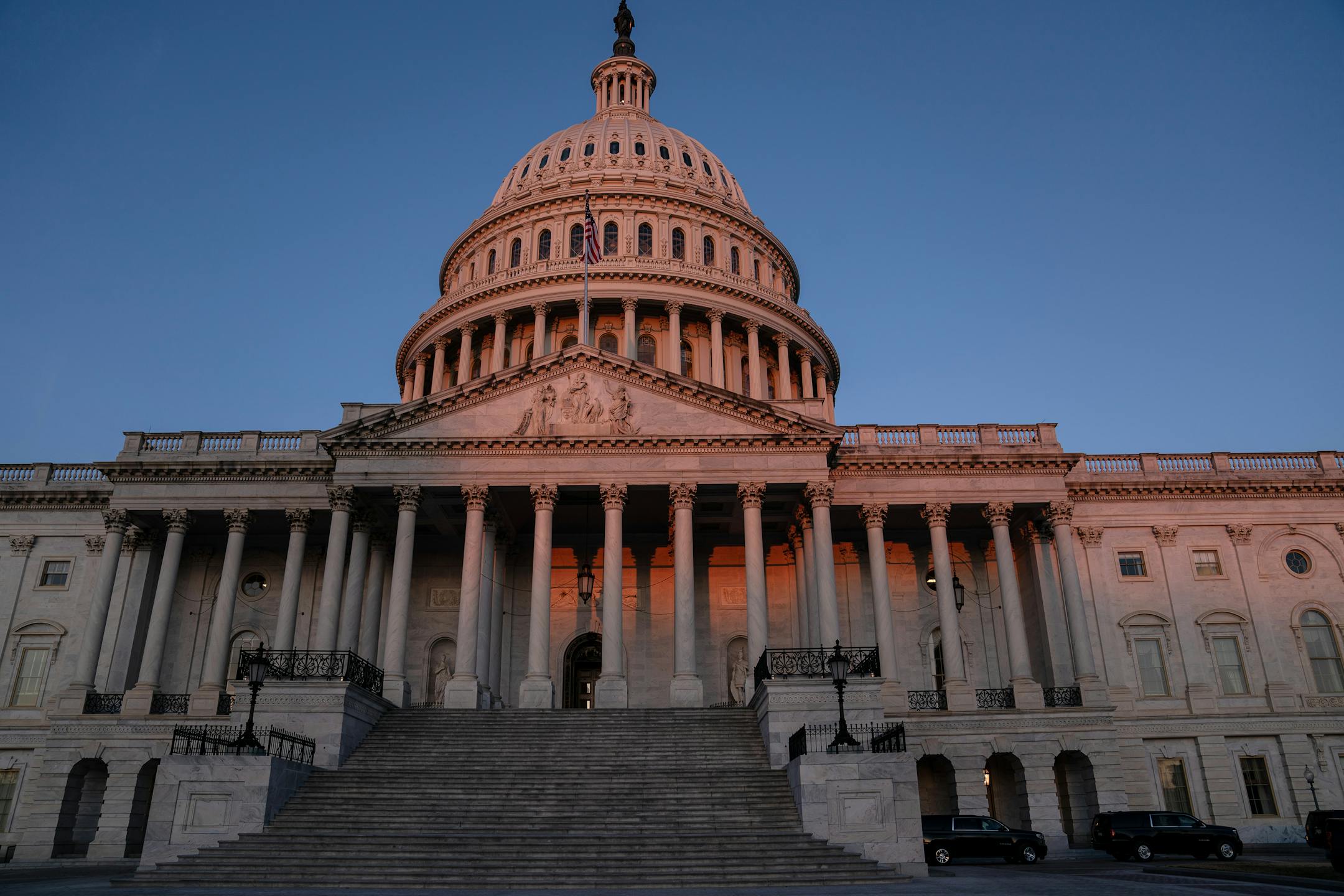
The archaic phrase "lame duck Congress" connotes a limping, limited thing. Yet the current postelection session is poised to prove anything but.
The reason for this one's productive potential? With the midterm elections behind them, House members and senators — including dozens of individual lame duck legislators either defeated or retiring — feel freer to vote as they choose, regardless of their constituents' wrath.
That's actually a good thing in these polarized times, not an anti-democratic impulse. We need bipartisan majorities of lawmakers less beholden to the demands of the noisy fringe of their respective political tribes and more responsive to the broadly defined desires of the American people.
In fact, the real limping, limited Congress is the one that convenes on Jan. 3 when a narrow Republican majority takes control of the House. Its enlarged right-wing fringe will lead us into what is likely to be two years of legislative near-paralysis.
The time for constructive governance is now: March on, lame ducks.
Perhaps the best example of the productive dynamic at work is the Respect for Marriage Act, putting nationwide recognition of same-sex marriages on the federal law books. Congress will send a compromise bill to President Joe Biden for his signature once the House, still under Democrats' control, approves the version that the Senate passed on Tuesday by a bipartisan 61-36 vote. That was just one more yea than needed to avoid a filibuster by the Senate's right-wing culture warriors.
For months enough Republican senators had indicated support to pass the same-sex marriage legislation. Yet fearful of their party's anti-gay-rights base, they persuaded Democratic Senate leaders to delay votes on the bill until after the midterm elections. Democrats agreed, passing up an opportunity to put Republicans on the spot over an issue that up to 7 out of 10 Americans support. As the timeworn question goes on Capitol Hill, do you want the bill or just a political issue to flog? Democrats decided they wanted to make law, despite some grumbling from the left.
That the bill was deemed essential at all owes to widespread fear of the right-wingers running the Supreme Court. Not content with overturning Roe v. Wade after a half-century, Justice Clarence Thomas has indicated that the court should also "correct the error" of its 2015 ruling that same-sex marriage is a constitutional right. While the bill stops short of codifying that right, it mandates that — should Thomas ever get his unpopular way — same-sex marriages performed in a state where such ceremonies remained legal must be recognized even in states where they're banned.


