Man who nearly died from carbon monoxide poisoning implores: Get a detector

“It creeps up on you and kills you,” said Claude Matula, who survived carbon monoxide poisoning. His brother-in-law did not.

The Minnesota Star Tribune
December 4, 2025 at 8:56PM
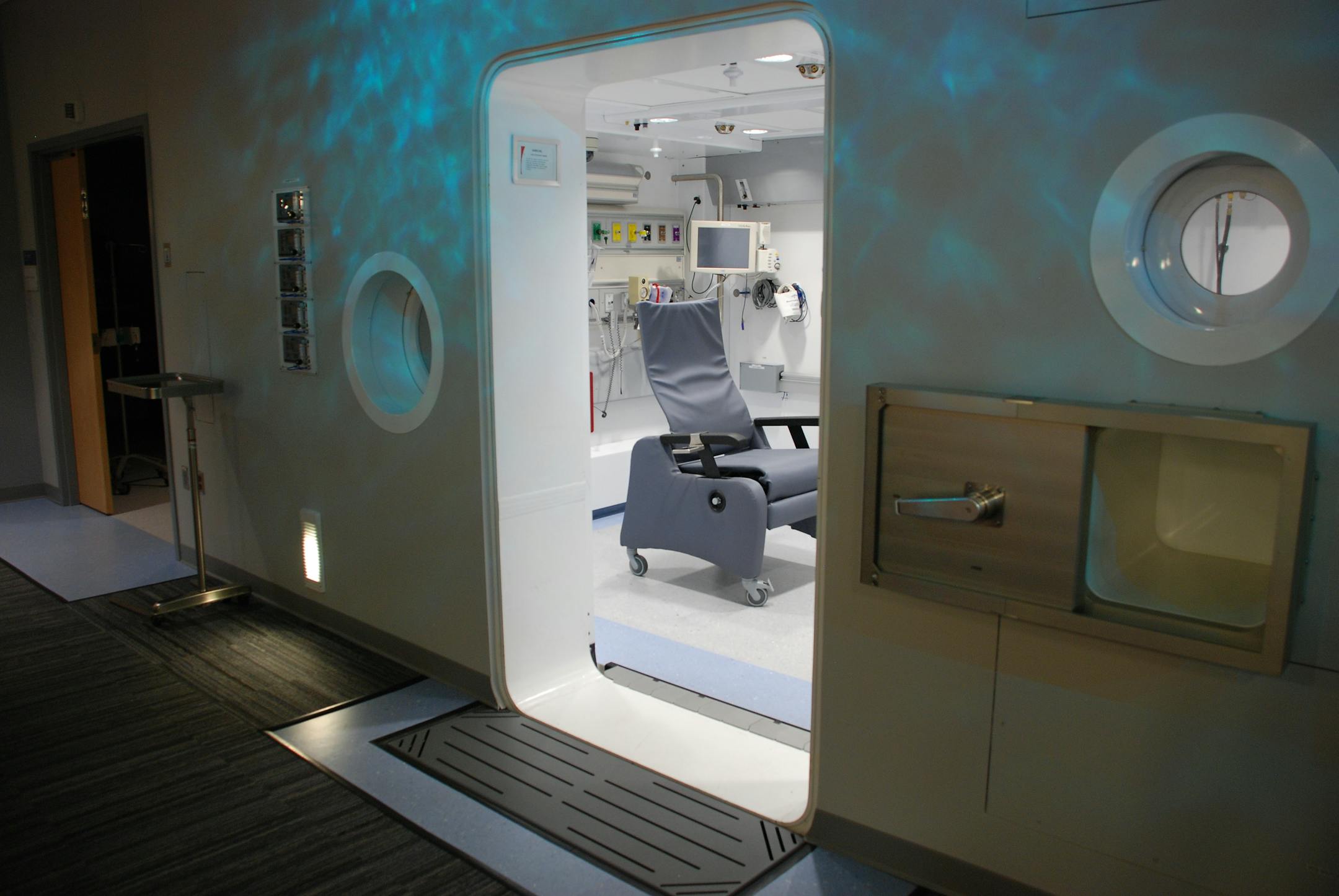
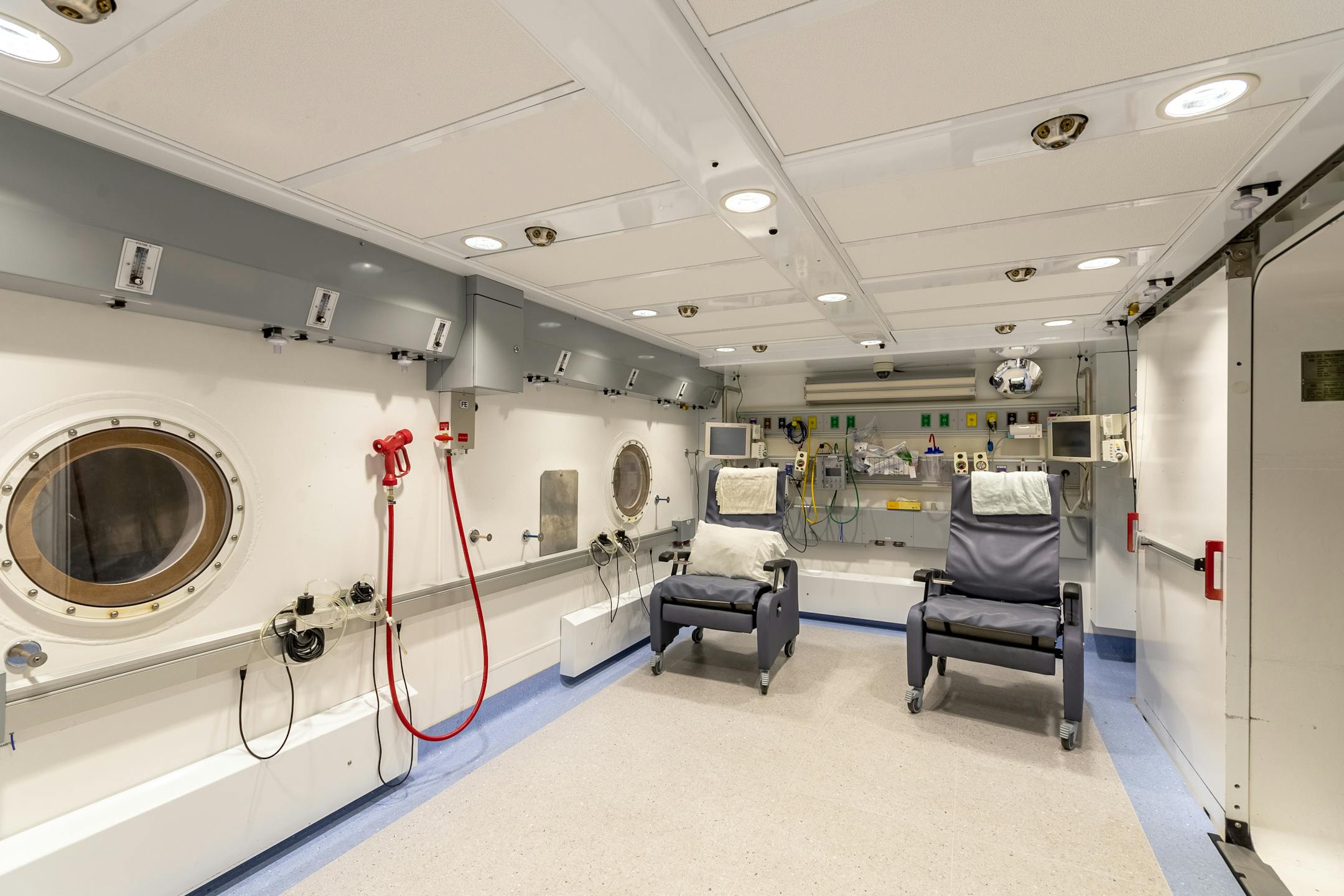
Claude Matula was treated for carbon monoxide poisoning inside HCMC's hyperbaric chamber. (HCMC)

A western Wisconsin man is urging everyone to install a carbon monoxide detector in their homes after the colorless, tasteless and odorless gas known as the “invisible killer” took the life of his brother-in-law and nearly killed him, too.

“I am a Vietnam survivor and it would have been a pisser to have been killed by carbon monoxide in the United States,” said Claude Matula, 77, of Comstock, Wis., who didn’t have a detector of his own when he was poisoned in his home last month.

He was rushed to HCMC and placed in a hyperbaric chamber. Patients in the pressurized room can be given oxygen 10 times purer than outside air to break down the deadly molecules and help the body heal.

Carbon monoxide, or CO, is the most common type of poisoning in the United States, said Dr. Thomas Masters, who works in emergency medicine and has a sub-specialty in hyperbaric medicine at HCMC. About 400 Americans die from it unintentionally each year, according to the Centers for Disease Control and Prevention. Another 100,000 people are treated in emergency rooms each year, the CDC said.

HCMC treated 13 patients in its hyperbaric chamber in November, including Matula, said hospital spokeswoman Christine Hill.

CO is a byproduct of combustion and commonly produced by cars, snowblowers, gas appliances, furnaces and heaters. The gas can build up in poorly ventilated spaces, such as garages, homes and small barns, and without a way to escape presents an extremely high risk for poisoning, or even death.

Alarms can signal a CO buildup.
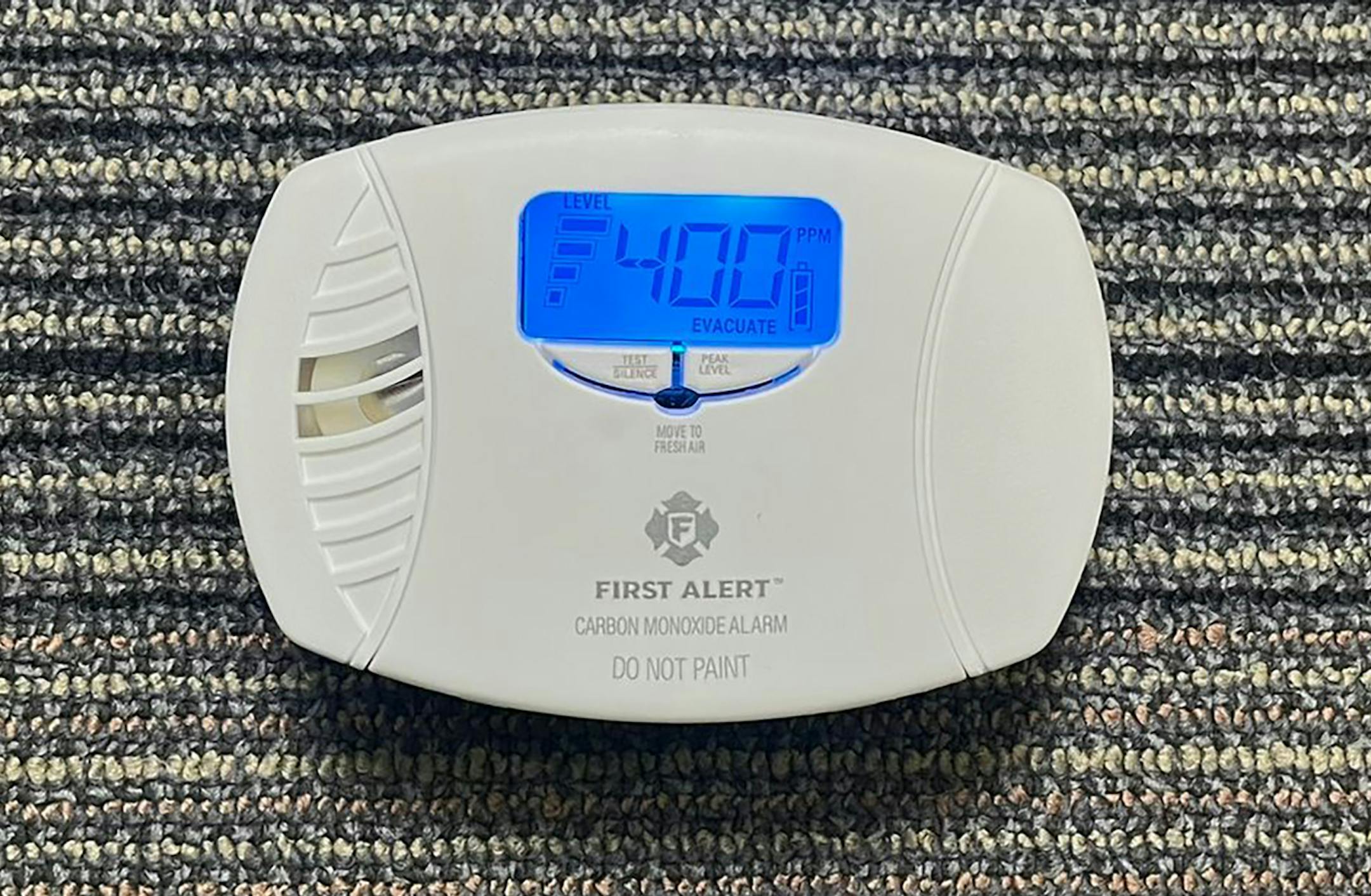
CNET calls the First Alert CO615 the best carbon monoxide detector overall. (Gianmarco Chumbe/CNET/TNS)
Carbon monoxide detectors, like this device, sound an alarm when CO has built up to dangerous levels. (Gianmarco Chumbe/Tribune News Service)

“It’s dangerous because blood cells like it better than the oxygen that it needs,” Masters said. Molecules “stick on the red blood cells and keep oxygen away from the brain and heart.”

Victims exposed to CO for too long may develop mild symptoms such as dizziness, headache or fatigue. In severe cases, a person may feel confused, experience memory loss or even pass out as the CO puts strain on the heart, brain and other organs, Masters said.

Without treatment, which consists of delivering high doses of oxygen, there could be effects such as depression and inability to concentrate on tasks, lasting for weeks to months, he said.

Matula used to have CO detectors in his house, but a few years ago he replaced his water boiling system with a wall-hanging unit that ventilated directly outside. He ditched his detector.

“I didn’t see a need for it anymore,” Matula said.

But on Nov. 7, Matula wished he had kept it. He tried starting his furnace that night as the weather cooled, but it would not click on. He called a repair man, who fixed a failing water pump.

A few hours later, deep trouble set in as CO built up in Matula’s house. He remembers sitting in his upstairs recliner, and then after some time had passed, waking up feeling “really foggy.”

“Where was I today? Where did I go?” he recalled asking his wife, Linda, who called 911.

Matula’s brother-in-law and best friend, Glen Feilen, 79, of Tulsa, Okla., was downstairs watching volleyball. Feilen was not as fortunate. He died of CO poisoning. Linda might have too, had she not walked the couple’s four dogs earlier in the night and gotten some fresh air.

Linda was treated at a local hospital and released. Claude was barely hanging on. He said he could not remember anything other than being loaded into a helicopter and hearing his granddaughter yelling, “Love you, Papa!”

Matula arrived at HCMC “confused and with no memory,” Masters said. Over the next three days, Matula underwent three oxygen infusions lasting 1½ hours each in HCMC’s hyperbaric chamber.

The hyperbaric chamber at HCMC. (HCMC)

An examination of Matula’s furnace found a piece of plastic had wrapped around the burner, creating the hazard.

Masters says Matula’s story serves as a reminder that everyone should have a CO detector at home, and probably more than one.

Matula says he now has five of them, and will faithfully have his furnace checked annually.

“The whole damn thing about [CO] is that it is tasteless, odorless and you can’t see or feel it. It just creeps up and kills you,” Matula said. “If [they] don’t think they need [a detector] they are the biggest fool in the world. It would have saved my brother-in-law’s life.”

about the writer

about the writer

Tim Harlow

Reporter

Tim Harlow covers traffic and transportation issues in the Minneapolis-St. Paul area, and likes to get out of the office, even during rush hour. He also covers the suburbs in northern Hennepin and all of Anoka counties, plus breaking news and weather.

See Moreicon

More from News & Politics

See More
card image
card image