The “Make America Healthy Again” movement and American agriculture have been on a collision course this year, and at the center is a fight over commonly used pesticides.
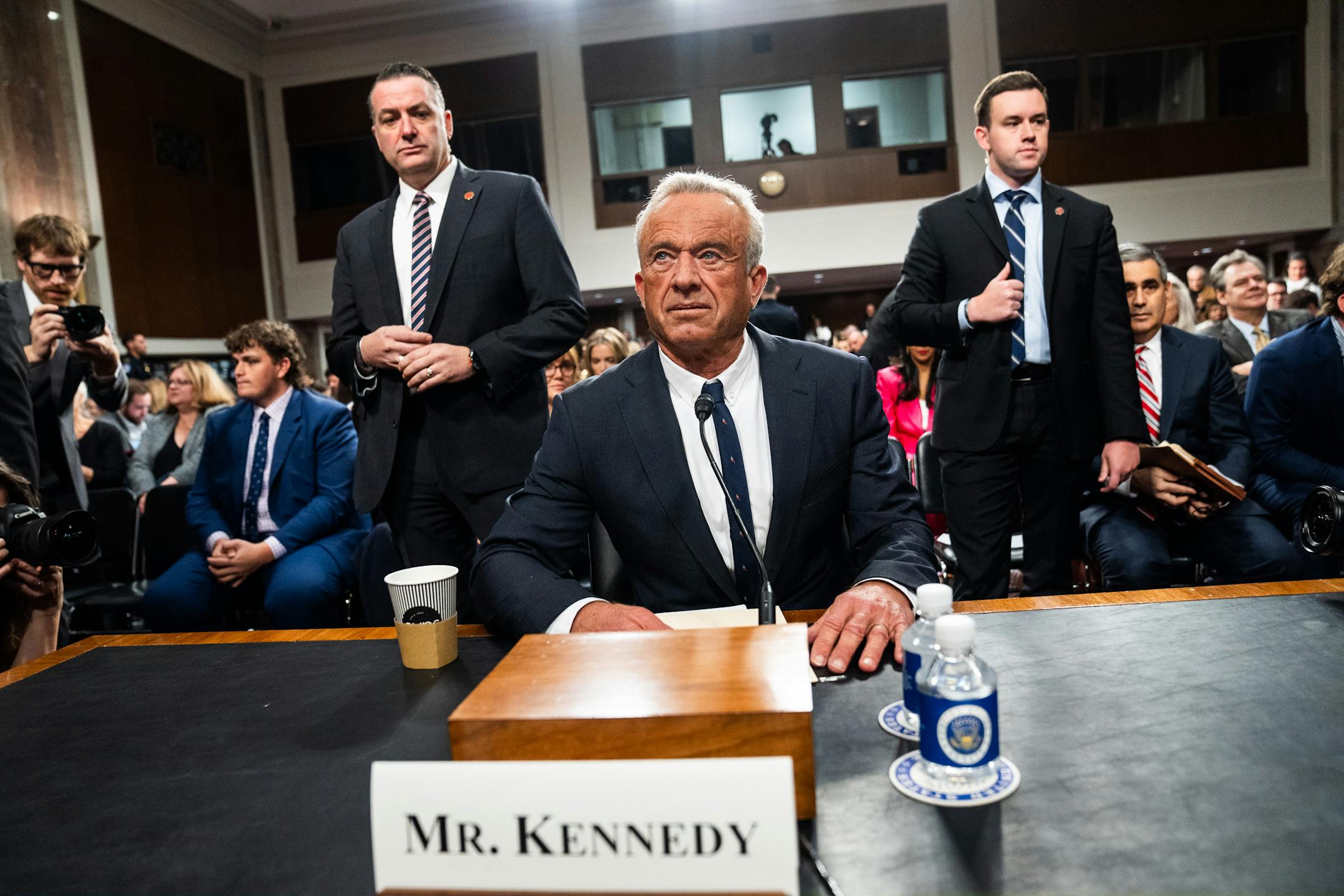
This May, a MAHA Commission led by Health and Human Services Secretary Robert F. Kennedy Jr. named some pesticides as potentially problematic, citing studies that link these chemicals to cancers and reproductive issues.
Then in September, the commission released a strategy report that backed away from some earlier claims about pesticides. Ag groups like Minnesota Corn hailed the second publication, saying in a statement that growers had lobbied the federal government to defend the chemicals.
Here’s why the battle between health activists and farm groups isn’t over.
What is MAHA?
“Make America Healthy Again” is a slogan popularized by Kennedy, an environmental lawyer, during his unsuccessful presidential run in 2024. Kennedy chairs the MAHA Commission, which includes several federal agencies. Separately, a constellation of online advocates associate themselves with a MAHA movement aimed at improving Americans’ health.
The movement targets a spectrum of forces they believe are causing illnesses. In some cases — like opposition to fluoride in drinking water — the evidence of damage is lacking.
In the case of some commonly used pesticides, however, “there is a wealth of information that says they have effects,” said Linda Birnbaum, the former director of the National Institute for Environmental Health Sciences and National Toxicology Program.
Which pesticides is MAHA concerned about?
Of the group of pesticides that MAHA often mentions, glyphosate is the most commonly used in Minnesota and around the world. It’s the active ingredient in Roundup weed killer, introduced by the U.S. company Monsanto in 1975.