1:34
1:34Sean Harlin has lived a nice, serene existence for nearly a decade now, a comfy chair in a dark room with a ballgame on the TV in front of him. His job has been sort of quasi-librarian, cataloguing every pitch, every swing, every inning of every Twins game since 2006, so ballplayers can diagnose their own deficiencies or scout the other team's tendencies. Watch the game, log it all, move on to the next one, all in relative anonymity.
All that changes for Harlin on Monday. Big-league pressure arrives on Opening Day.
"I already told Sean, he's going to be the first person I bury if something goes wrong," Twins manager Ron Gardenhire said, presumably in jest. Presumably. "I told him [he's going] right under the bus."
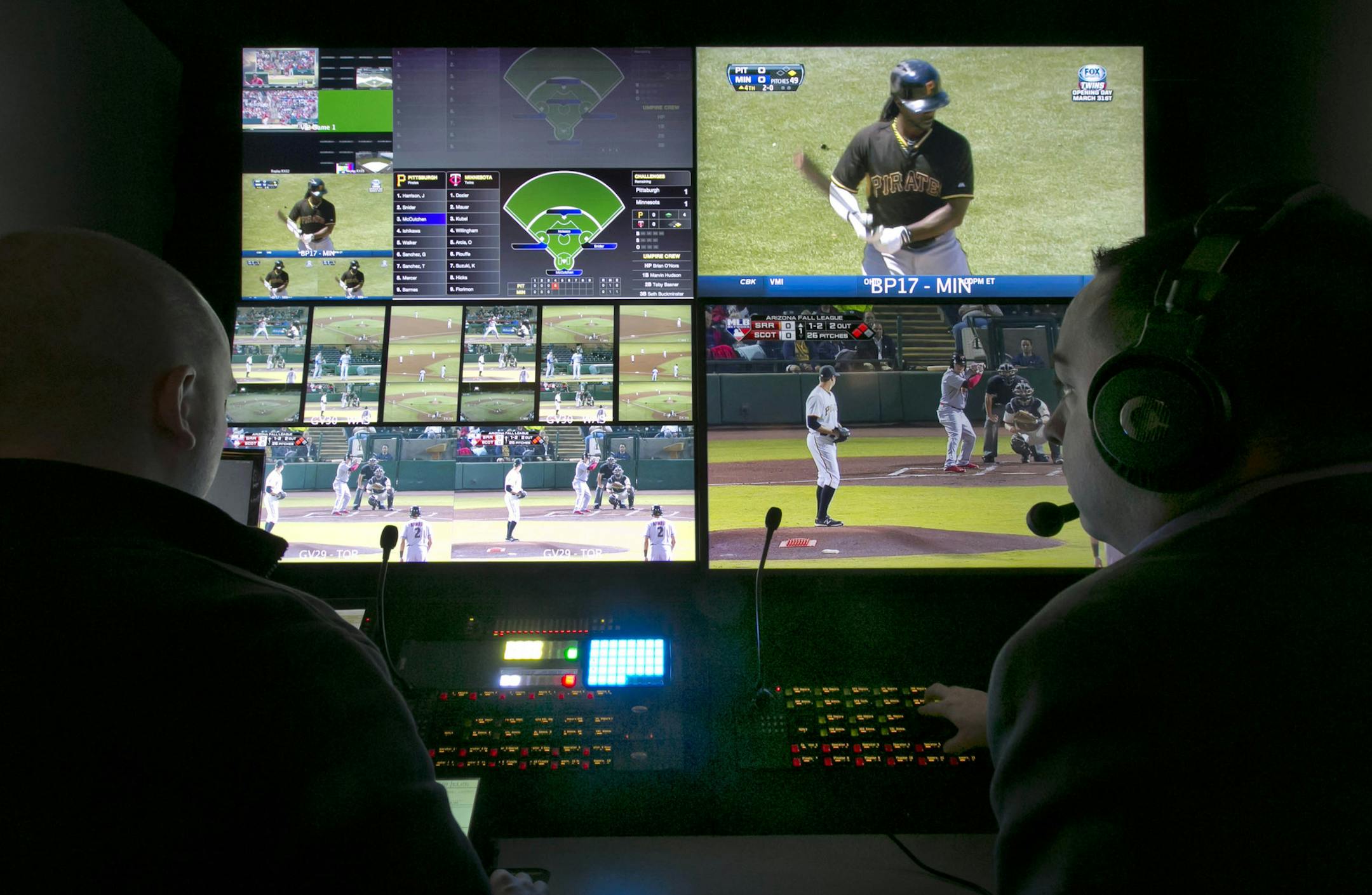
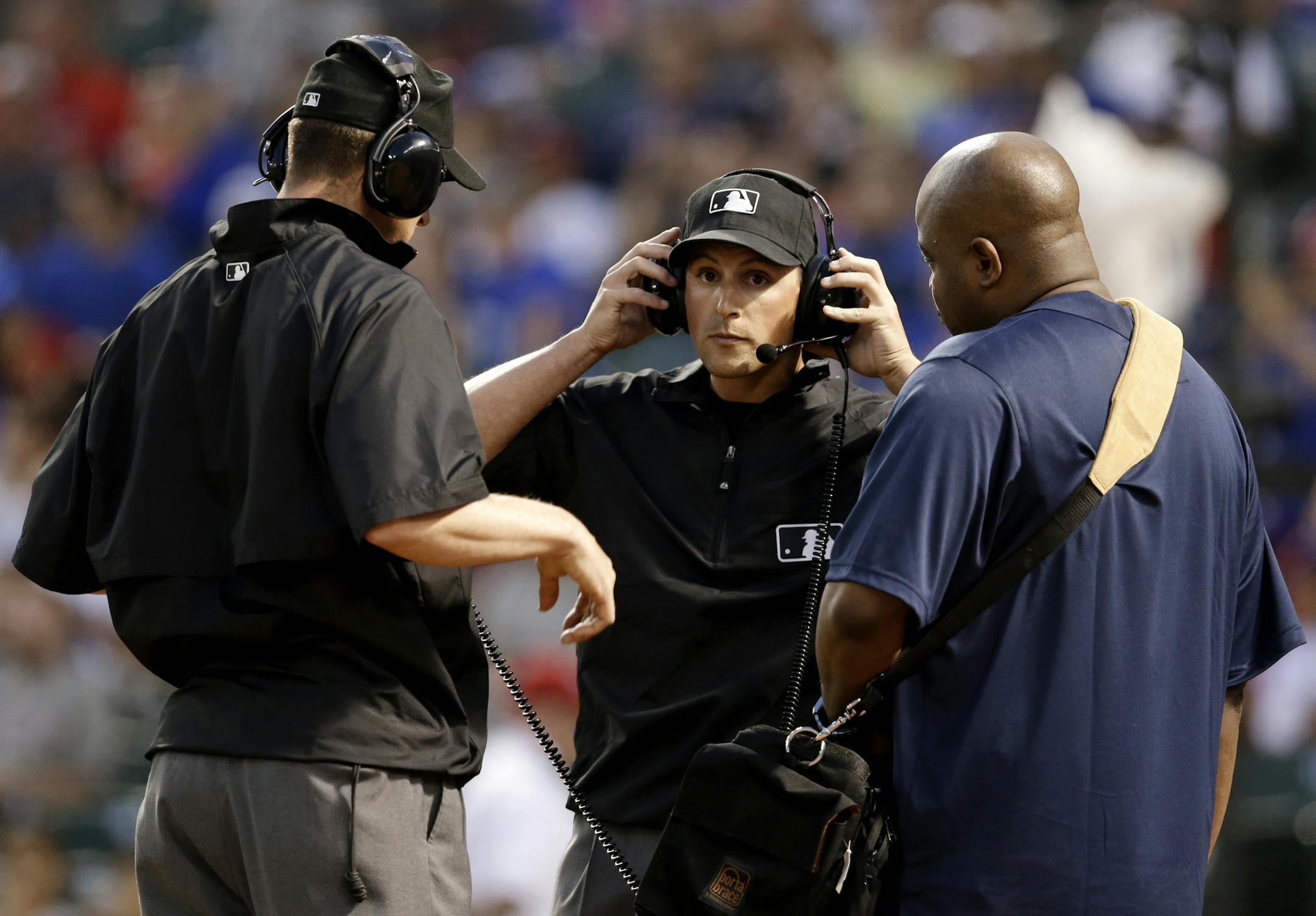
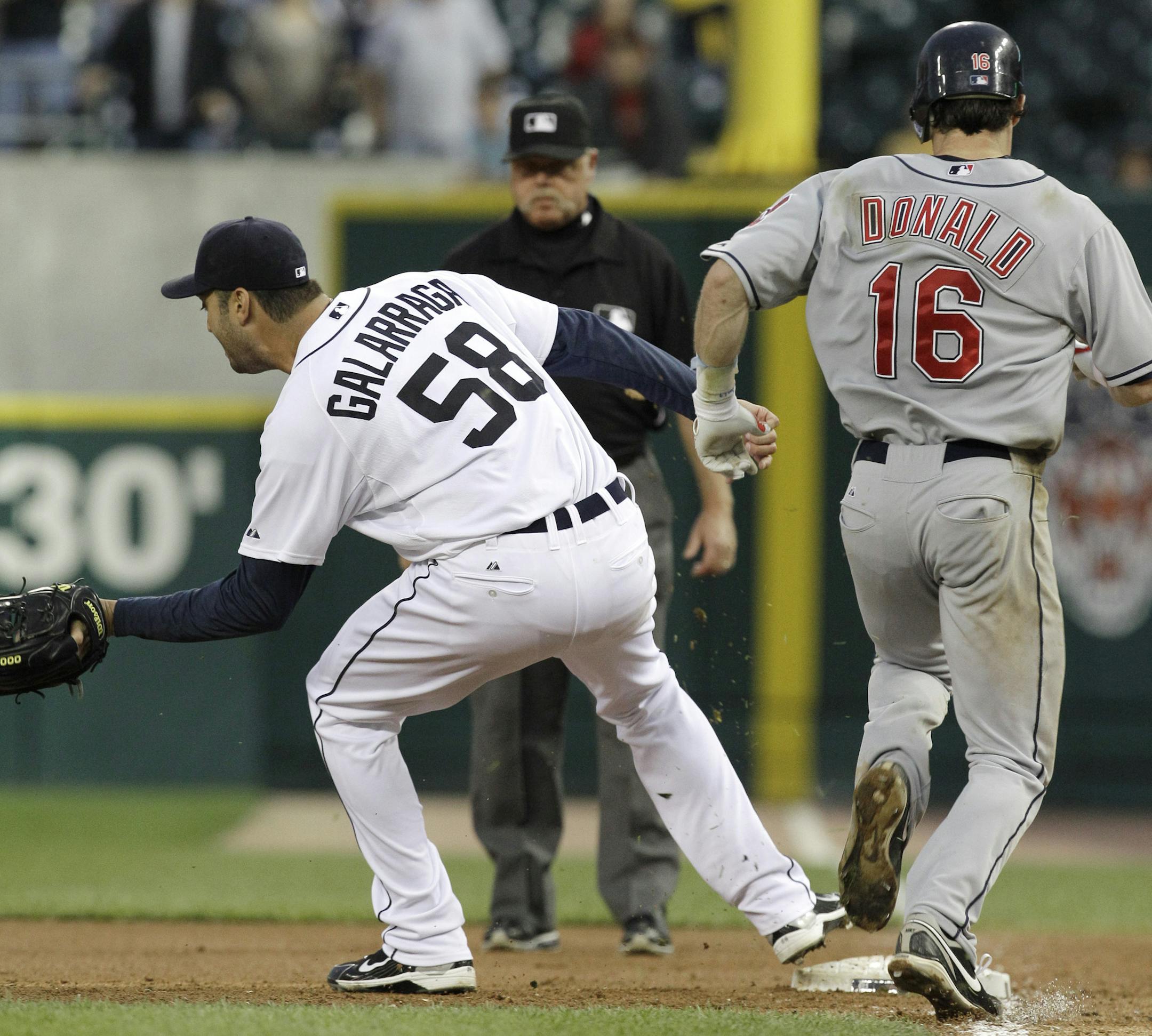
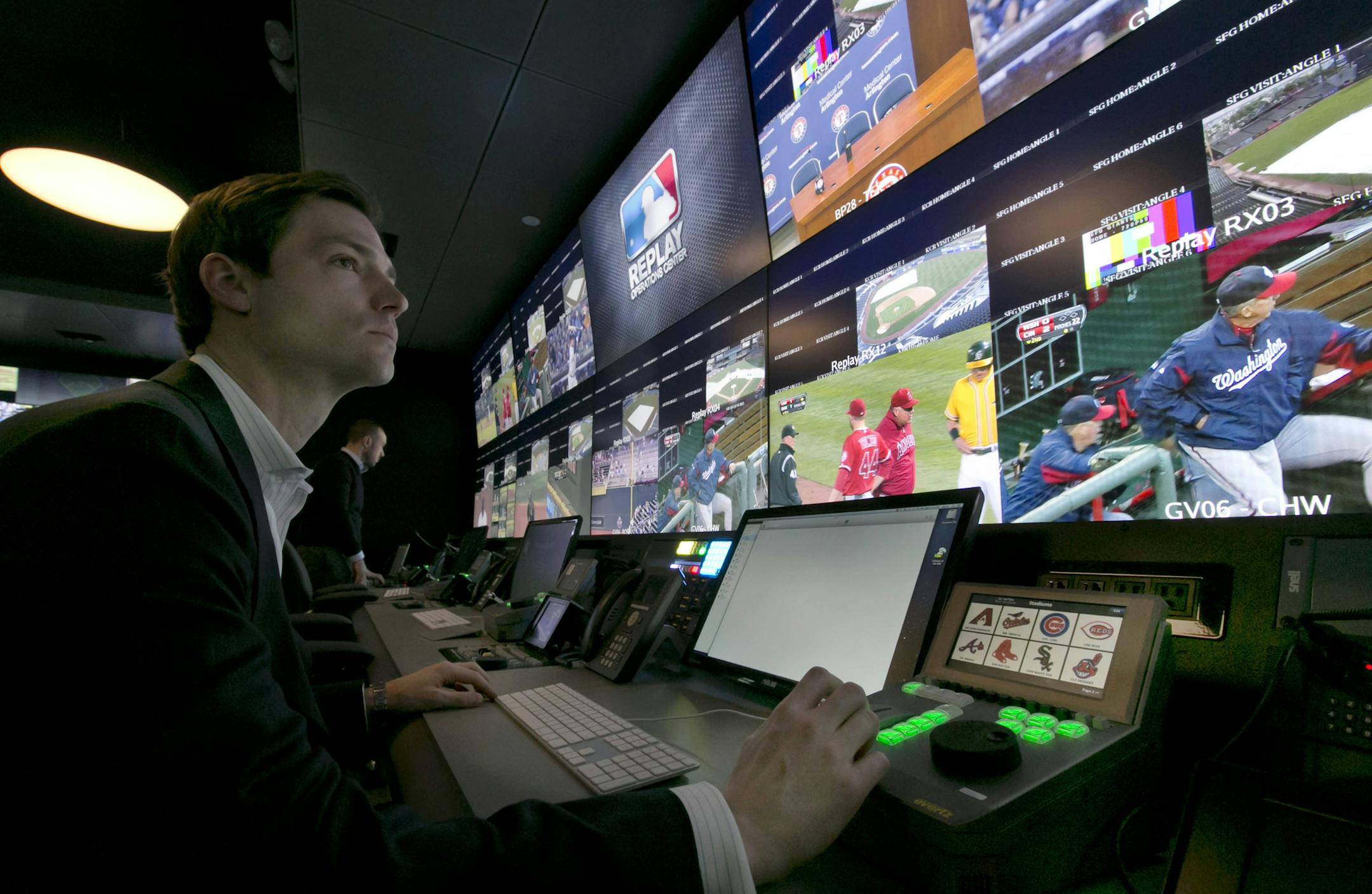
More like, right under the TV truck. After decades of defending umpires and their inevitable mistakes as part of the game's "human element," and 28 years after the NFL introduced video replay in 1986, America's oldest professional sport finally has embraced 21st century technology and spent millions installing it in all 30 ballparks. Beginning this season, umpires' calls will be subject to review by their peers, using high-definition digital replays to uphold or overturn controversial decisions.
And while the new replay-challenge system might put the focus on managers and umpires, one group appealing the other's mistakes to a higher court in New York, the real pressure will be on guys like Sean Harlin.
"Get it right, get it fast, get it to the manager," said Harlin, the team's director of major league video. "They've put a lot of trust in me, so I'm excited about the challenge."
Baseball tested the new rules during spring training games, albeit with inferior equipment and no central command center to review video replays — nothing like the systems MLB installed in each ballpark, at a reported $10 million price tag. The practice helped players, managers and fans become familiar with the basic procedures:
• Each manager may challenge one call per game, and if a call is overruled, he may challenge a second. But that's the limit. From the seventh inning on, umpires may initiate a review of their own, if a team has used its allotment of challenges.
![Portrait of Sean Harlin, Twins video chief Friday March 28, 2014 at Lee County Spots Complex in Fort Myers, FL. ]JERRY HOLT jerry.holt@startribune.com](https://arc.stimg.co/startribunemedia/IFCH74JZFDSXFVJU2QLFB2GALE.jpg?&w=1080)