

Lumber prices, a key cost in home construction and an influence on inflation in Minnesota and the nation, have plunged from their peaks this spring but remain well above pre-pandemic levels.
The development is welcome news to people who want to build a new home because, aside from land acquisition and labor, lumber is typically the highest component cost.
Prices on certain types of wood products remain elevated, including special order deckings, made-to-order windows and doors, engineered lumber, roof and floor trusses. Lead times on those products are long.
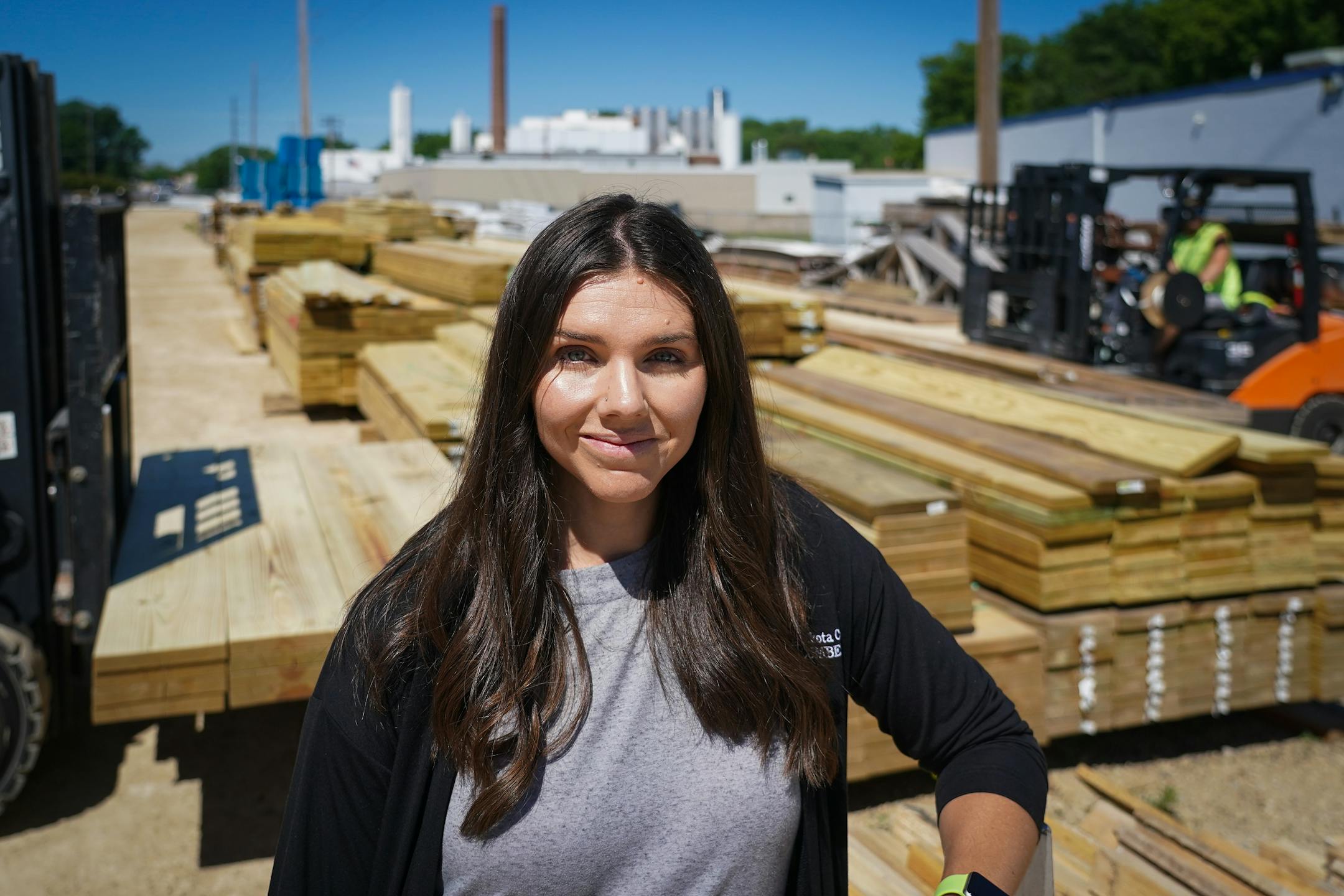
"All of the specialty goods, which are 50 percent of our business ... all that has a manufacturing component to it and is not a straight commodity, has gone up and stayed up," said Sunny Bowman, president and owner of Dakota County Lumber in Farmington.
Broadly, inflation appeared to moderate last month as the consumer price index rose more slowly than in July, shaped in part by falling prices for cars, hotels and air travel.
The price for softwood lumber fell nearly 28% last month and is down by nearly half since May, according to the National Association of Home Builders. Lumber prices on the CME Group's commodity exchange are now approximately the same as this time last year, but that's still 50% higher than two years ago.
The pandemic triggered a frenzy for forest products. Home building, a key market for lumber, was at record levels in 2019 before the onset of coronavirus. When the pandemic forced people to shelter in place in spring 2020, construction slowed only briefly. Meanwhile, many Americans took on renovation projects, emptying lumberyards and retailers.
Prices soared for lumber, then took another huge step upward this spring as the recovery triggered new demand. Price volatility for softwood lumber is at an all-time high for a 12-month period, the NAHB said, and has been visible in recent days.


