John Magufuli, the president of Tanzania, has strong views about birth control. He does not see the point.
In 2016, he announced that state schools would be free, and, as a result, women could throw away their contraceptives.
On Sept. 9 this year, he told a rally that birth control was a sign of parental laziness. Tanzania must not follow Europe, he went on, where one "side effect" of widespread contraception is a shrinking labor force.
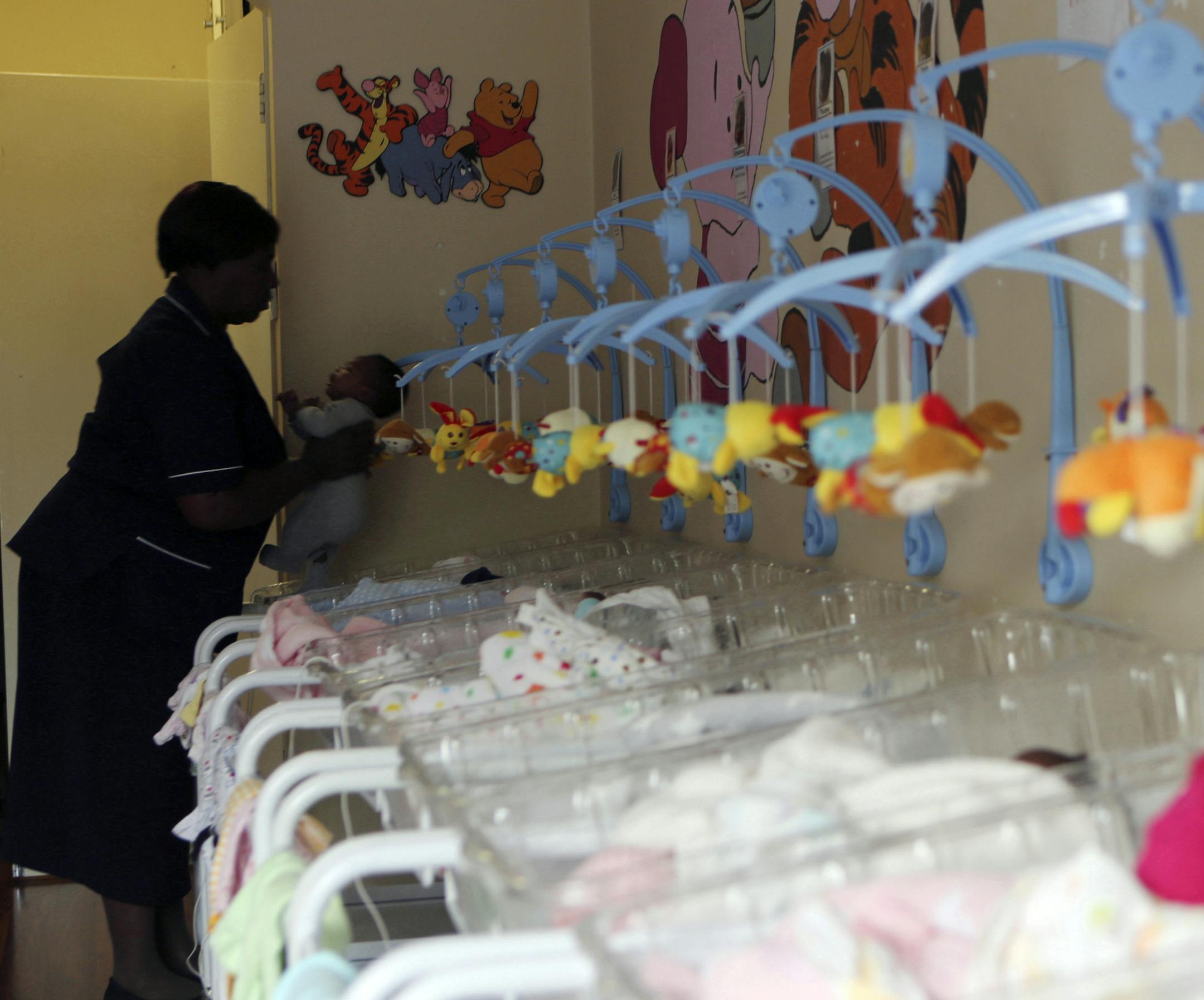
There seems little danger of that. Tanzania's fertility rate is estimated to be 4.9, implying that the average woman will have that many children. Europe's rate is 1.6. Tanzania is helping drive a continental baby boom.
In 1950, sub-Saharan Africa had just 180 million people — a third of Europe's population. By 2050, it will have 2.2 billion — three times as many as Europe. If U.N. forecasts are right, sub-Saharan Africa will have 4 billion people in 2100.
A high dependency ratio
That is worrying, although not for the old reasons. In "An Essay on the Principle of Population," published in 1798, Thomas Malthus claimed that the human population was bound to increase faster than the supply of food, leading to catastrophe.
Although Malthus is still admired by some, the green revolution rubbished his hypothesis. The fear now is not that countries will run out of food but that a surfeit of babies will slow their development.
Magufuli is right to suggest that Europe has many old people and could do with more workers to support them. But Tanzania's many children weigh on its economy, too.