The snow was piled waist-deep outside the Southern Manitoba Convention Centre as more than 400 farmers gathered to consider the once-unthinkable: growing corn on the Canadian prairie.
At one end of the packed auditorium last month in Morris, home of the Red River Wild hockey club, an Ohio farmer brought in by DuPont Co. opened a presentation with a slide that read "Ear Count 101." At the other end, Deere & Co. showed off tractors and other equipment from a booth while Daryl Gross explained planters and corn dryers to curious men wearing seed caps.
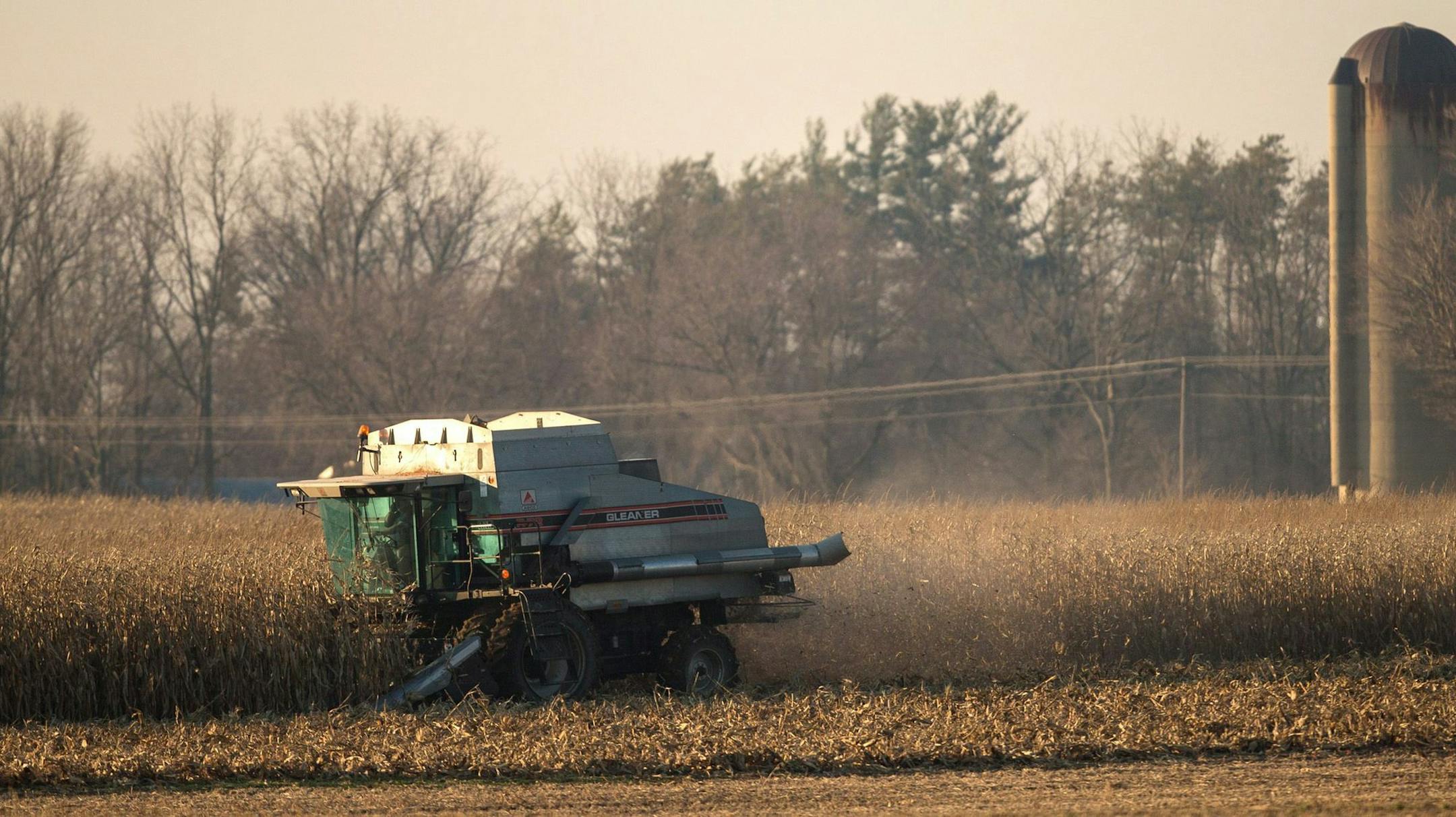
"This is here to stay," said Gross, who sells CNH Global NV tractors for Southeastern Farm Equipment Ltd. in nearby Steinbach, 40 miles north of the U.S.-Canada border. His customers are increasingly devoting acreage to corn. "There are a lot of guys who are experimenting with it and looking at it," he said.
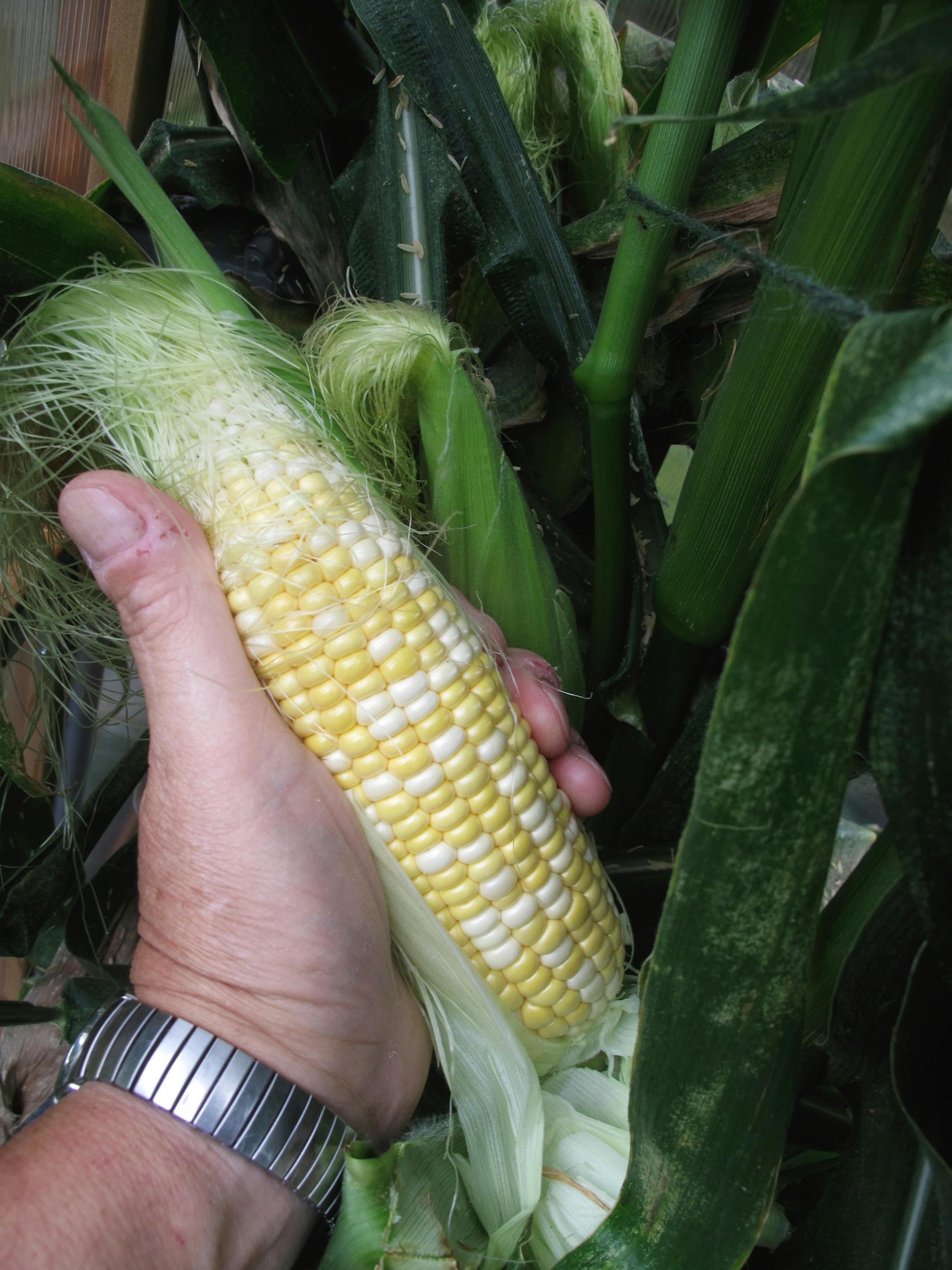
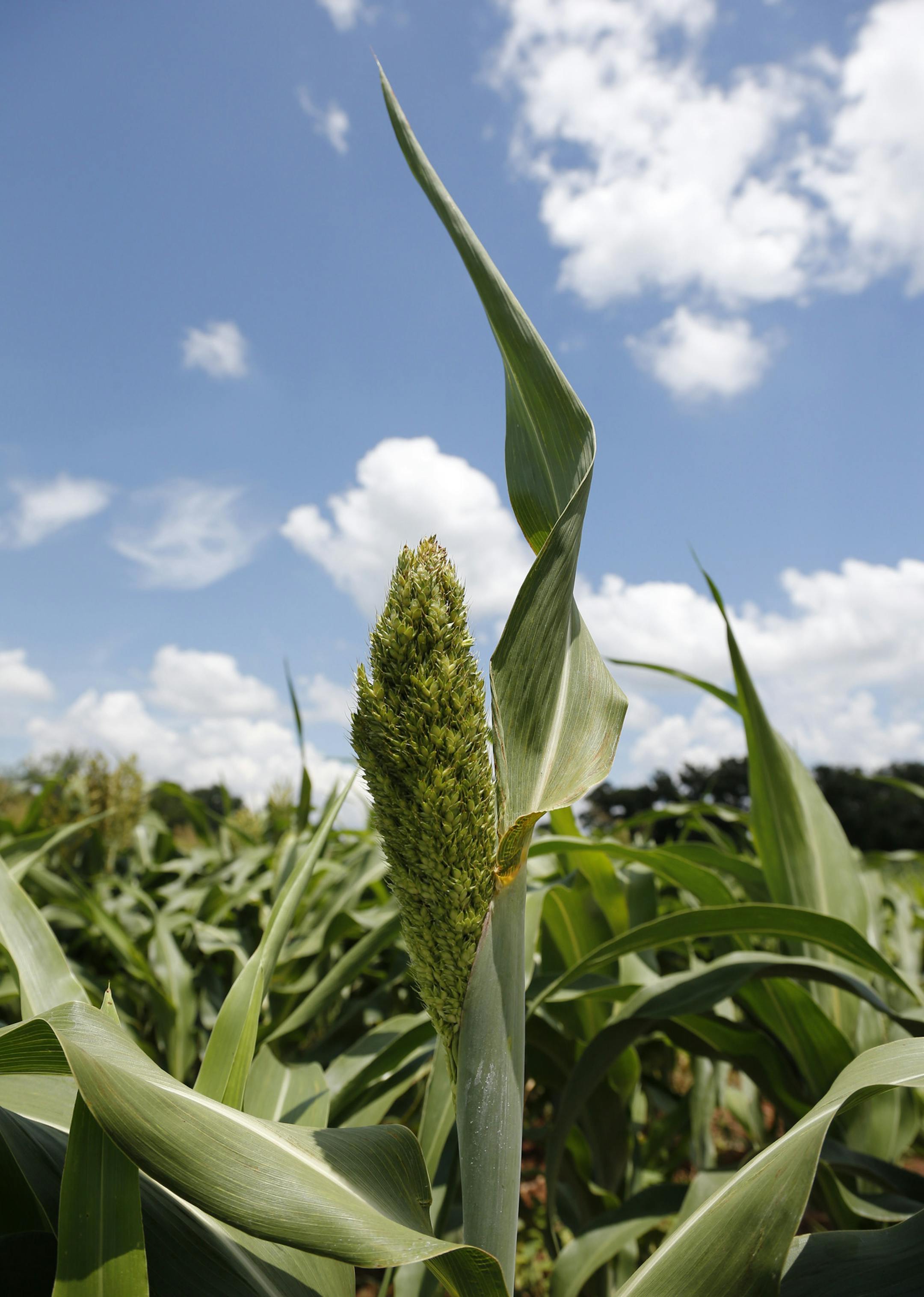
Corn is the most common grain in the U.S., with its production historically concentrated in a Midwestern region stretching from the Ohio River valley to Nebraska and trailing off in northern Minnesota. It had been ungrowable in the fertile farmland of Canada's breadbasket. That is changing as a warming climate, along with the development of faster-maturing seed varieties, turns the table on food cultivation. The Corn Belt is being pushed north of what was imaginable a generation ago.
Growing seasons on the Canadian prairie have lengthened about two weeks in the past half-century. The mean annual temperature is likely to climb by as much as 5 degrees Fahrenheit in the region by 2050, according to Canadian researchers.
In Canada, that means amber waves of wheat are giving way to green fields of corn. Farmers sowed a record 405,000 acres of corn in Manitoba, Saskatchewan and Alberta last year, double the amount two years earlier and almost eight times what it was 20 years ago. That compares with 95.4 million acres sown in the U.S. last year.
The prospect of a Canadian Corn Belt has helped push farmland prices nationwide up 36 percent from 2007 to 2012, to $1,926 Canadian ($1,757 U.S.) an acre. U.S. farmland prices rose 22 percent in the same period, to $2,650 an acre.
Monsanto, DuPont move in
It has also drawn the attention of agribusinesses. Monsanto Co. and DuPont have boosted staff and invested more than $100 million in the region, hosting corn clinics like the one in Morris, a town of 1,800 about 25 miles north of the U.S. line, as well as research and development of seed varieties that can thrive in a shorter growing season.