

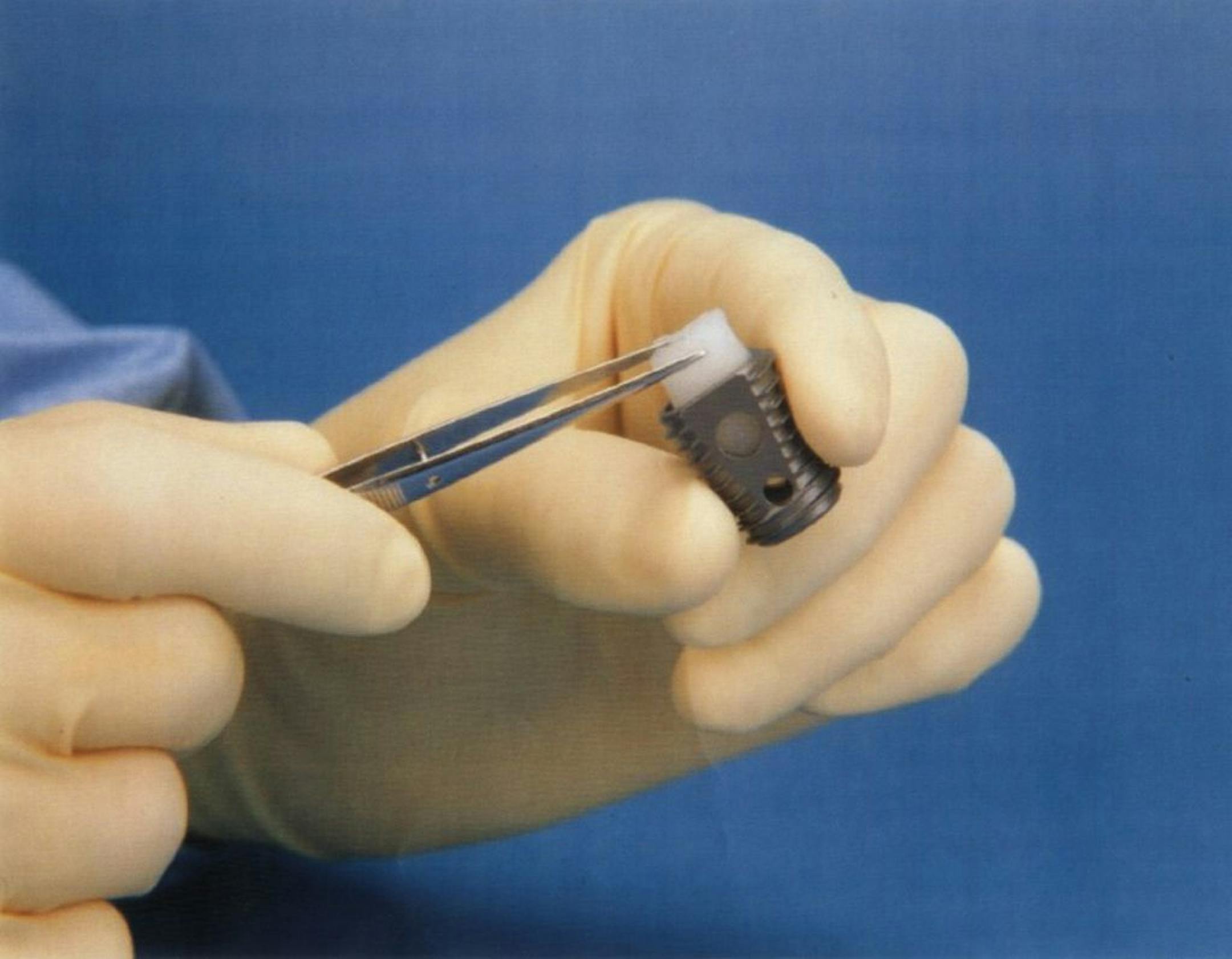
For years, spine surgeons praised Medtronic's Infuse in helping to speed healing and reduce pain after spinal fusion surgeries, saying it was better than alternatives. Turns out, they were wrong, according to a review by Yale University.
Medtronic Inc., the world's largest device maker, commissioned Yale researchers to oversee two independent reviews of its spinal fusion product after spine experts and U.S. lawmakers charged that Medtronic-sponsored studies had overstated benefits and downplayed the product's risks.
To blunt such criticism, Medtronic offered complete access to its data and paid $2.5 million to have Yale lead an independent review of its spinal product, called Infuse. Yale contracted with researchers at the University of York in England and at Oregon Health and Science University (OHSU) to conduct independent studies. Both concluded in a report published Monday in the journal Annals of Internal Medicine that there is little to no difference in effectiveness between Infuse and an older method for spurring bone growth.
"The review also found 'substantial evidence of reporting bias' in the previous studies on the product," officials at Oregon Health and Science University said in a statement. "The review found that Medtronic-sponsored publications analyzed or reported results in biased ways to indicate that it was more effective."
Medtronic said Monday that the analyses confirm what the company has long claimed — that Infuse is a safe and effective product for patients, though it emphasized that it poses some risks that must be considered by patients and physicians.
"We recognize that our products and therapies must have the public and medical community's trust, and so we will continue to create, test and explore new ways to make our clinical research available," Medtronic CEO Omar Ishrak said in a statement.
The FDA approved Infuse spinal fusion in 2002 for use in the lower back and it has been used on more than 1 million patients. The approach involves the removal of a degenerated disc and the fusing of adjacent vertebrae to improve stability. Since its introduction, sales of Infuse quickly soared, reaching nearly $1 billion a year before falling to $528 million, according to the most recent company report.
What remains to be seen is whether the Yale project's findings will further erode Infuse sales.


