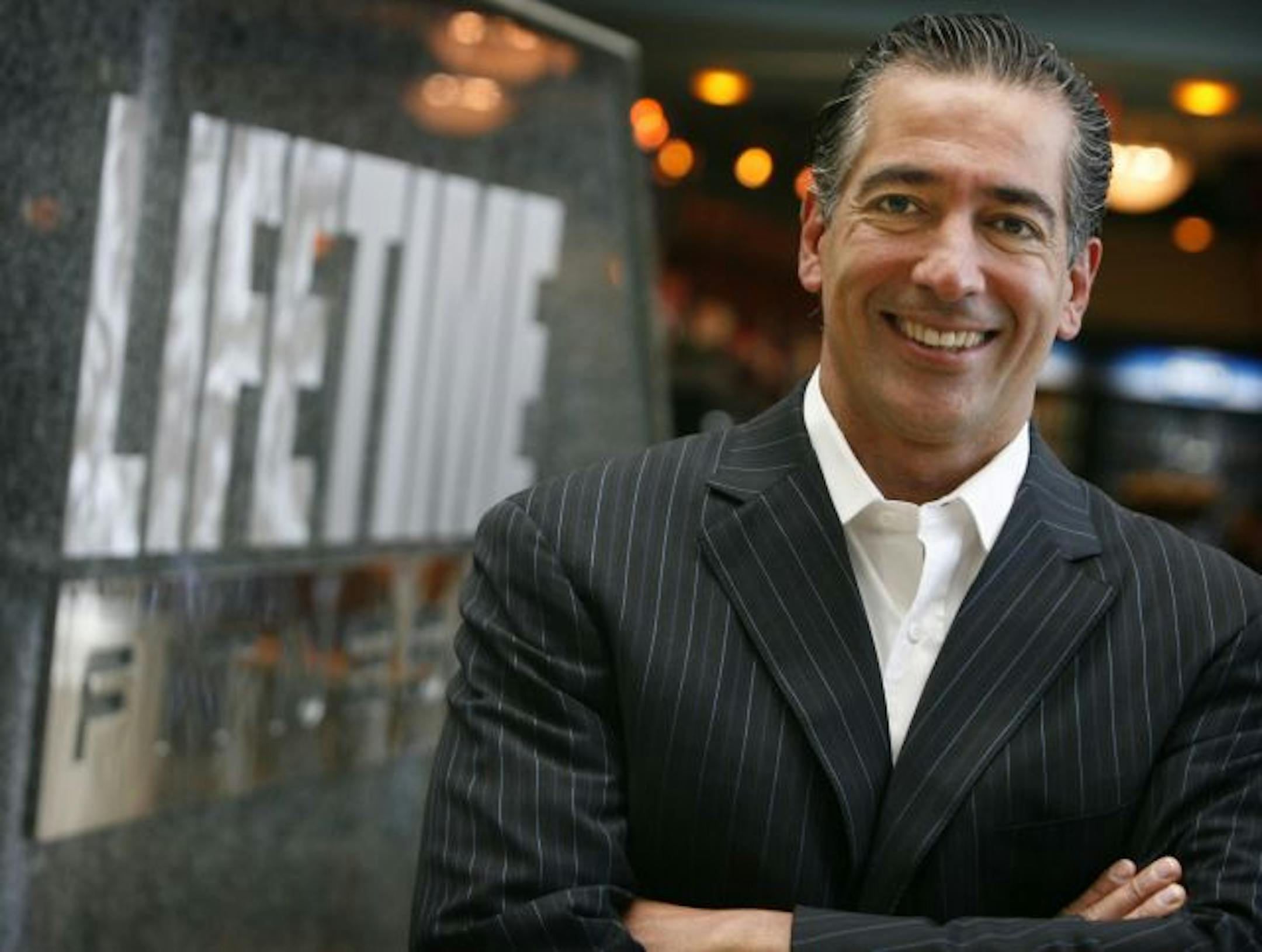
During the worst of the recession, when Life Time Fitness was losing more than four out of every 10 members, one of them made a point of stopping CEO Bahram Akradi to explain her family's decision.
It had nothing to do with the economy, she said, but everything to do with the temperature of the pool, which had become too cold for her children to enjoy.
Akradi soon discovered that Life Time had been slowly lowering pool temperatures a degree at a time. That neat bit of economizing was going to save the company $200,000.
Akradi ordered that water temperatures be raised at every club pool.
This attention to the smallest details helps account for Akradi's reputation as a demanding boss. He calls it running a company "from a member's point of view" and says that philosophy partly explains how, during the deepest recession in more than 60 years, Life Time has managed to post gains in revenue, profit and per-store sales, all while slowing member turnover.
By being more responsive to its members, Akradi believes Life Time is building a deeper relationship, one that is less transactional. In his view, the cost of keeping healthy is not a discretionary expense.
To that end, Life Time has even begun referring to itself as a "healthy way of life company." It doesn't exactly trip off the tongue, but it reflects Akradi's intent to insinuate the company more broadly into people's lives through their membership in the clubs, through events, such as the national triathlon series it sponsors (it owns some of the races outright), and through a new corporate wellness business that it will soon roll out under the name of myHealthCheck.
Akradi says Life Time's corporate wellness offering will be deeper than many of the current offerings in the market, which often begin and end with a self-assessment. Life Time's program begins with an in-person assessment administered by Life Time across a variety of health measures. For an upfront fee of $95 per employee, and a monthly cost of $10 per employee, Life Time will produce measurable results that will lower a company's health care costs, Akradi said.