

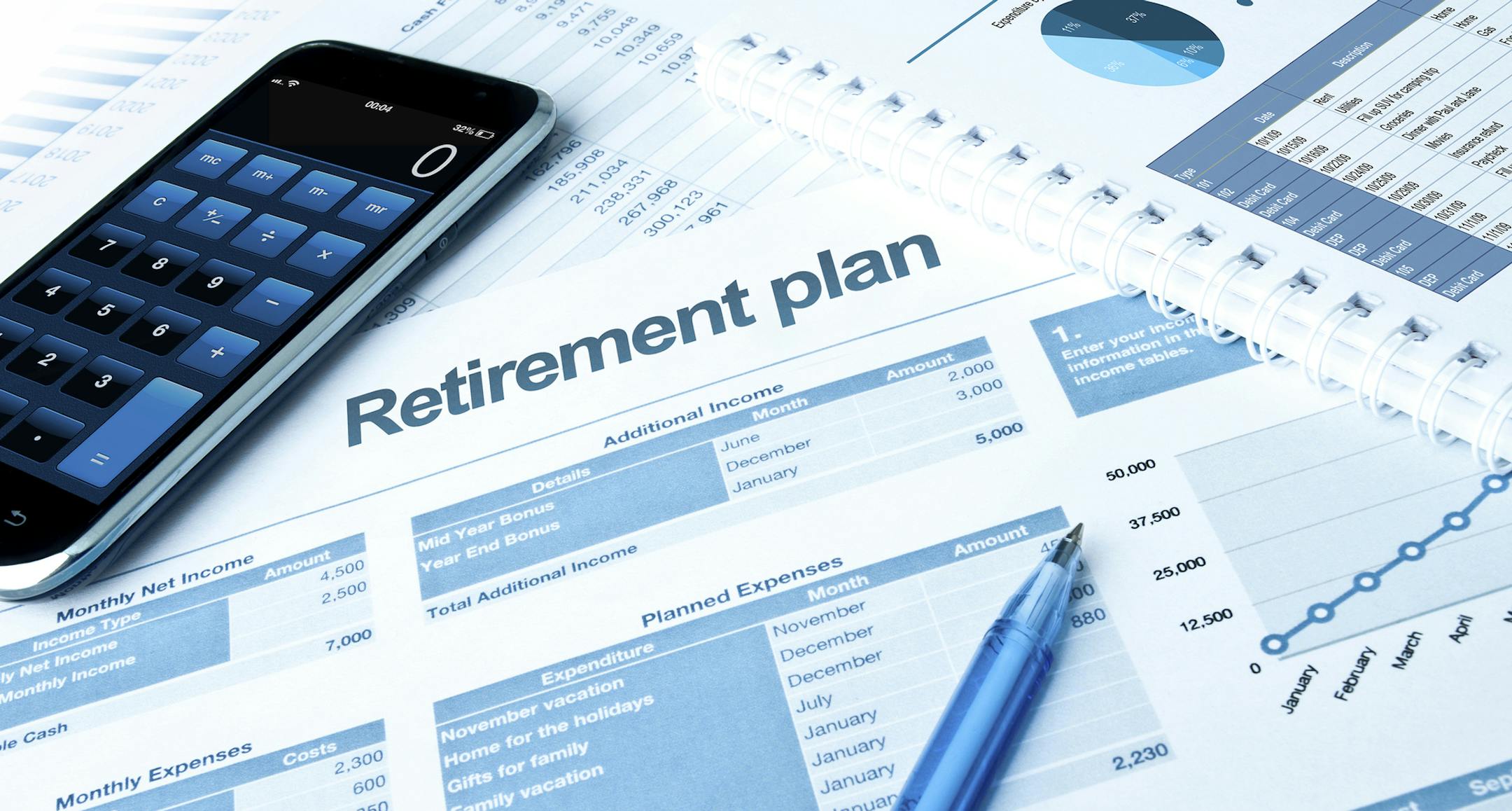
"What's your number?" means different things to different people at different life stages. For the young and single, it is a chance meeting that could lead to a life partner. For someone considering their financial future, it is about how big their investment portfolio needs to be before they can stop working. Those in search of love may land the right number. For those in hopes of retirement security, the number is far more ephemeral.
Here is what to consider and how it will affect how much you'll need to retire.
If you don't save much today, you will need more to retire. Retirement is not an income replacement question. It is a spending replacement issue. The paradox is that those who save the most need the least in retirement. Since they are suppressing their current spending, replacing those needs will take less money. It is important to strike a balance between living for a certain today and planning for the uncertain tomorrow, but spending will be the primary determinant in how long you need to work.
If you are in relatively good health, you will need more to retire. Age 82 is when we generally see our clients begin to slow down. Before then, they tend to lead an active life — which is more expensive than a sedentary one. If you are in good health, you will also need your assets to last longer. One of the most important questions an adviser should ask about is family longevity.
If you are afraid of running out of money, you will need more to retire. When you are afraid, money has a hold on you. When this happens, you can get so consumed with losing what you have that you never feel safe. When you don't feel safe, you tend to hoard, meaning you will need more money.
If you have a lot of fixed costs, you will need more to retire. When our clients are ready to retire, we like to work on driving down their fixed expenses as much as possible. With mortgage rates low, it can be financially advantageous to have a mortgage. But for the typical retiree, it is not emotionally helpful to have debt. If investments go through a soft period, you can delay the car purchase or the landscape project, but you still have to pay your mortgage. Fixed costs decrease your breathing room.
If you don't want to take investment risk, you will need more to retire. Over the seven-year period from 2007-2013 the Standard & Poor's 500 index and the U.S. bond index performed similarly; that was a relatively unique period. The lesson is not that one should only own bonds, but that stocks still acquitted themselves despite a massive real estate bubble and a global recession. Bonds will earn less than stocks over the life of your retirement, so you would need to own a lot more of them to have the same spending that a diversified portfolio would allow.
If you don't have a good pension, you will need more to retire. Having a certain amount of your portfolio in sure things like a pension means you don't need as much in investments. One of our clients has Social Security as well as two other pensions. We could essentially meet their spending needs with the Social Security and one of the pensions, thereby allowing us to take the other pension as a lump sum and invest it. This strategy gave them security and growth potential and also allowed them to leave some legacy to their children and charity.



