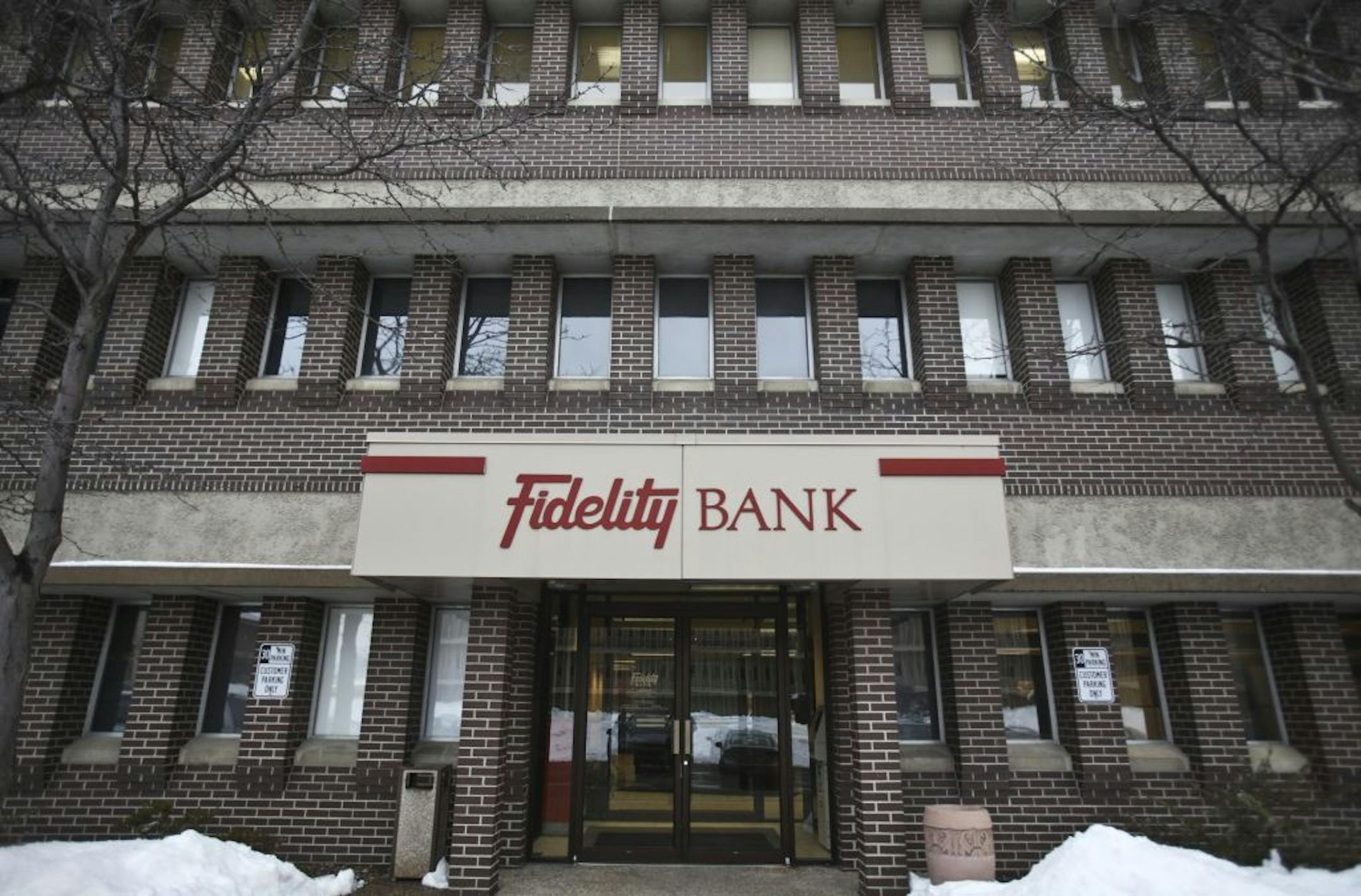
Fidelity Bank doesn't make loans to consumers. Its office is tucked away in a nondescript Edina office park, and its only other branch, in Eden Prairie, is actually a night deposit drop box.
Yet the bank has made a name for itself in Twin Cities commercial lending circles, where it's a shining example of a lender that has thrived through the financial crisis and recession.
The bank, with about $350 million in assets, has actually seen some of its best performance in the last two to three years, said Fidelity's president and CEO, Chuck Mueller.
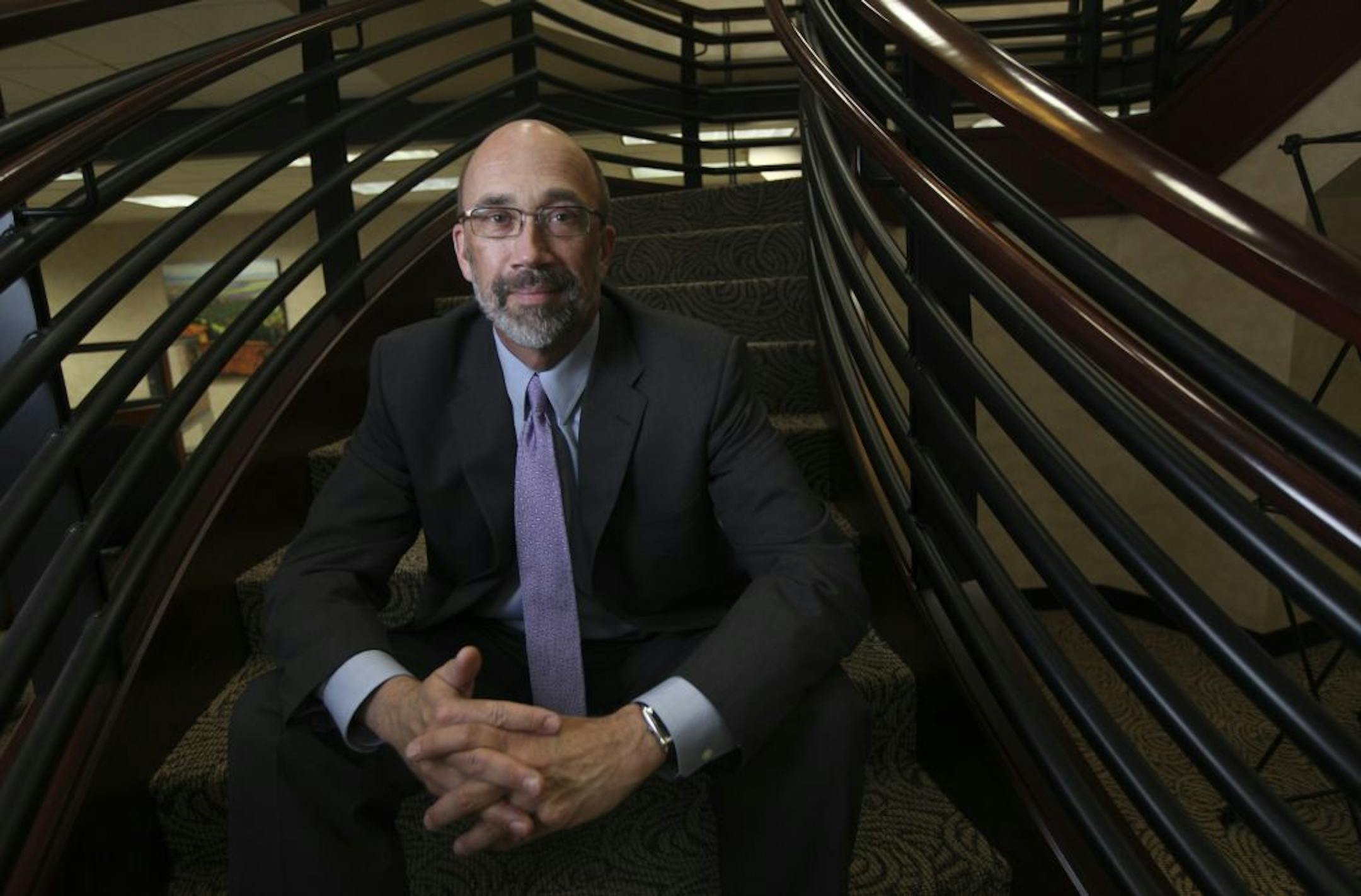
"It's a long and steady tortoise approach to building a bank," Mueller said in an interview in the bank's Edina headquarters.
Fidelity's winning formula has been a laser focus over the years on two lending specialties that have been gaining popularity: short-term, asset-based loans to small companies for working capital, and mortgage warehouse lending to mortgage companies.
That business, which Fidelity stuck with through the housing debacle and has been expanding, involves short-term loans to mortgage originators that use the money to make loans that they typically turn and sell to investors.
Fidelity largely steered clear of subprime mortgages and the speculative commercial real estate loans that turned toxic for banks when values plummeted.
The bank posted profits of $1.9 million in the first quarter, up 46 percent from a year ago on strong commercial loan growth in both the manufacturing and service sectors, Mueller said. Many Fidelity customers supply larger manufacturers in the medical, agricultural, transportation and gas and oil sectors, he said.