

Chain businesses have long maintained a legal wall between the parent company and the people who work for franchisees.
Employee complaints about wages, overtime or working conditions fall not on McDonald's Corp., for example, but on whoever owns the individual restaurants. This bright line in franchise law, upheld for decades by U.S. courts, allows franchise corporations to avoid labor disputes and direct negotiations with workers.
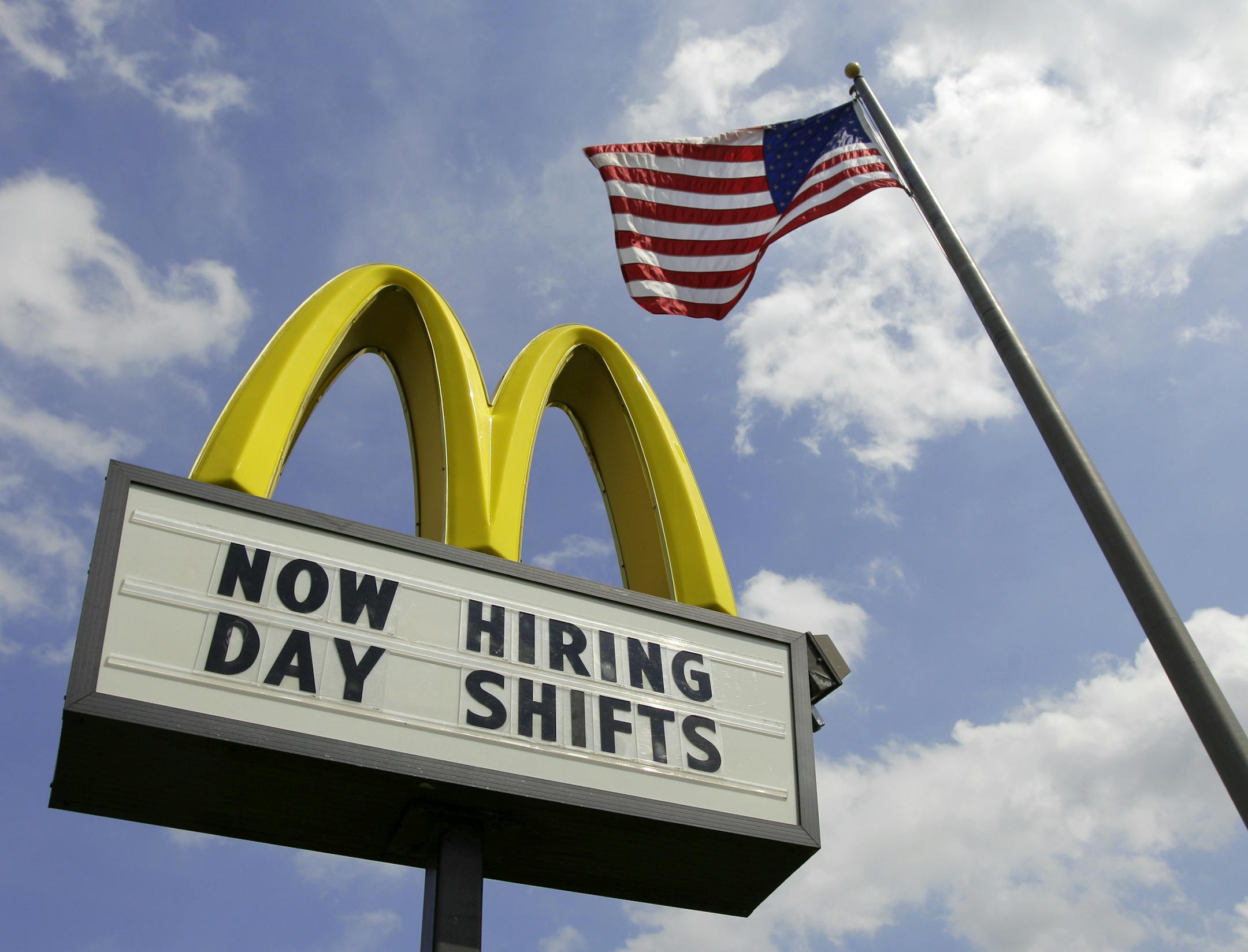
But now, franchisers are in an uproar and labor unions emboldened after the National Labor Relations Board said it will name corporate McDonald's as a "joint employer" when workers make unfair labor practice claims against McDonald's franchisees.
The new stance, announced by NLRB General Counsel Richard Griffin in late July, is rippling through corporate offices in the Twin Cities, home to large franchisers like Dairy Queen, Buffalo Wild Wings, Cost Cutters and Great Clips. Lengthy legal battles are on the horizon.
"It'll go all the way to the Supreme Court, because this is a very important case," said Nelson Lichtenstein, a labor historian at the University of California, Santa Barbara. "A lot of money would be at stake on this question, and both sides would have a very big incentive to take it all the way up."
Griffin explicitly named only McDonald's, but Mike Gray, a franchise attorney at Gray Plant Mooty in Minneapolis, said the new stance, as it works its way to the courts, threatens to undermine the franchise business model.
"If they're going to be held liable for the employees, they're going to have to get involved in the employment decisions to minimize their risk," Gray said. "So that's going to change the relationship between franchisers and franchisees substantially."
The NLRB's position also opens the door to what has been an unthinkable possibility — fast food workers organizing a union that could negotiate directly with a single large franchising company. Unions and worker advocates applaud the move, arguing that big companies like McDonald's exert so much control over franchisees that they should be treated as a joint employer.



