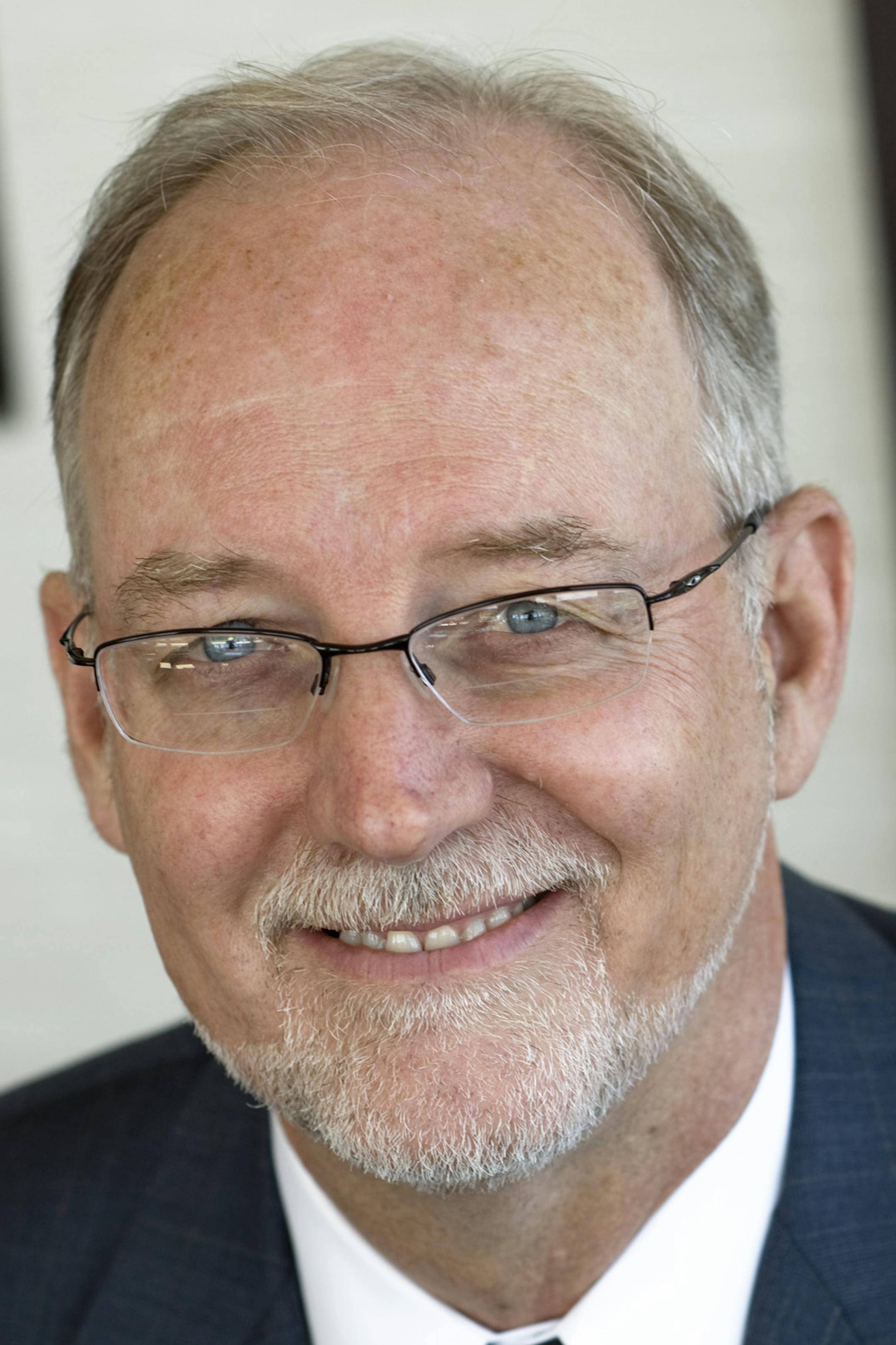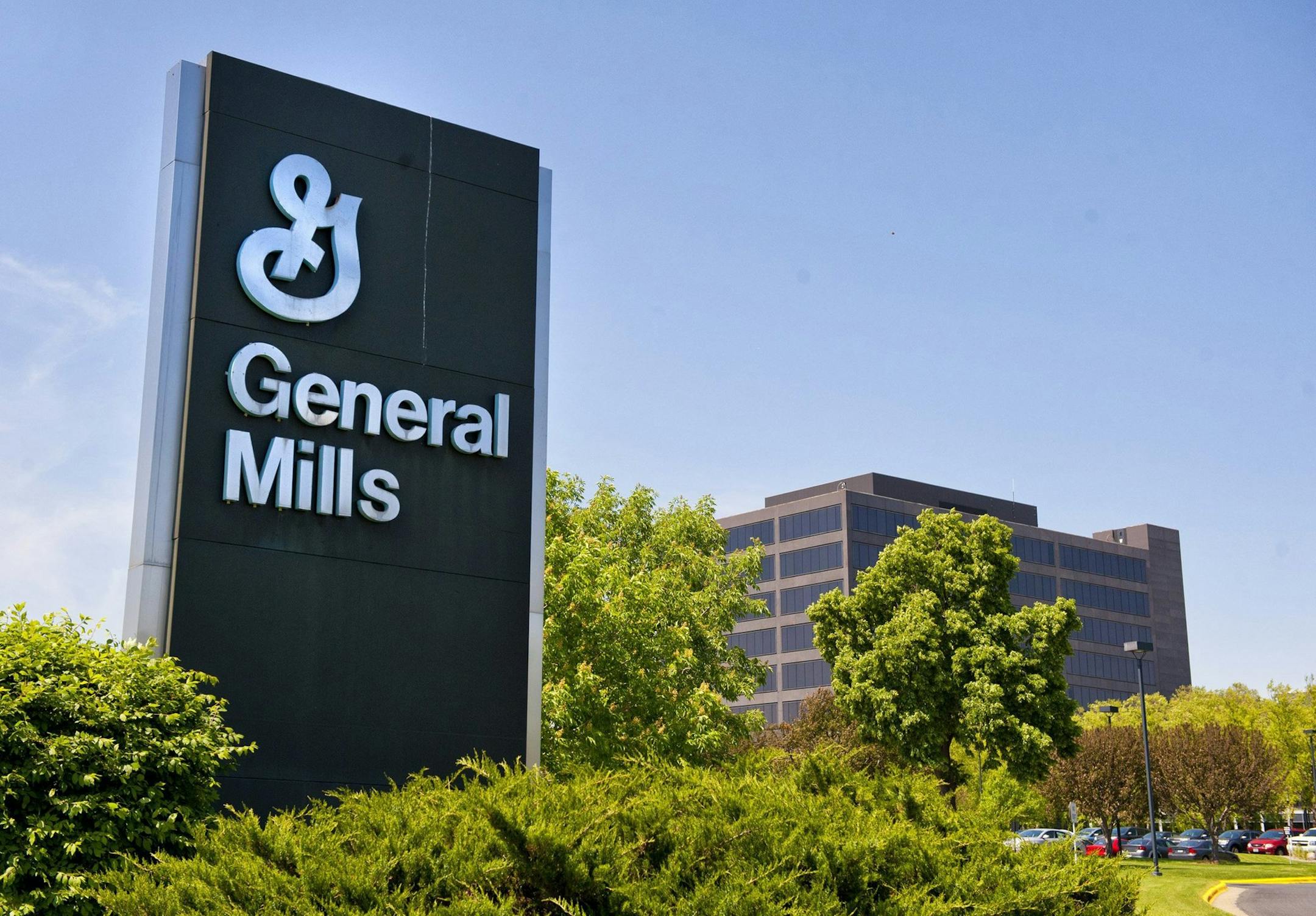
General Mills Chairman and CEO Ken Powell joined the company two years before H. Brewster Atwater Jr. became its CEO in 1981. They were both rise-through-the-ranks CEOs at a Minnesota blue chipper, but there's a big difference in their compensation packages.
Compared with Atwater's last year on the job in fiscal 1995, there's much more clarity in how the company pays its CEO and there's much more compensation expressly tied to the performance of the company and return to shareholders.
And, of course, there's just a whole lot more compensation.
Not that General Mills deserves any particular criticism for how it pays top officers. One of the first things you realize when you get inside the world of executive compensation is that it's all relative. Given the state of big-company CEO pay, General Mills seems to have fine practices.
Investors in General Mills certainly aren't grumbling, as "say-on-pay'' shareholder votes for fiscal 2011 and 2012 were overwhelmingly supportive.
The numbers are bigger now but it's also worth remembering that hand-wringing over excessive executive compensation was very much in the news when Bruce Atwater ran General Mills.
"Chief executive officers of America's largest publicly held companies received higher pay than ever," began a story on the cover of the Star Tribune's business section in May 1995, the month Atwater retired.
The Securities and Exchange Commission in 1992 mandated far greater disclosure of compensation and performance, with the SEC's chairman explaining that "the best protection against abuses in executive compensation is a simple weapon — the cleansing power of sunlight and the power of an informed shareholder base."