

All the things that have been tried in the United States to slow the growth in executive pay haven't accomplished a lot.
The disclosures in proxy statements have certainly gotten a lot longer. Shareholders get to say they don't like the CEO's deal, but the votes are nonbinding.
It's hardly surprising, then, that the median pay package for CEOs of the Standard & Poor's 500 last year finally broke eight figures, up about 9 percent from 2012, based on an analysis by the Associated Press. A big-company chief executive last year made 257 times the average worker's salary, up from "only" 180 times the average worker's pay in 2009.
Eye-popping compensation for top executives is not just an American phenomenon, of course. Wrangling over executive pay has recently become a common occurrence, for example, at London annual general meetings.
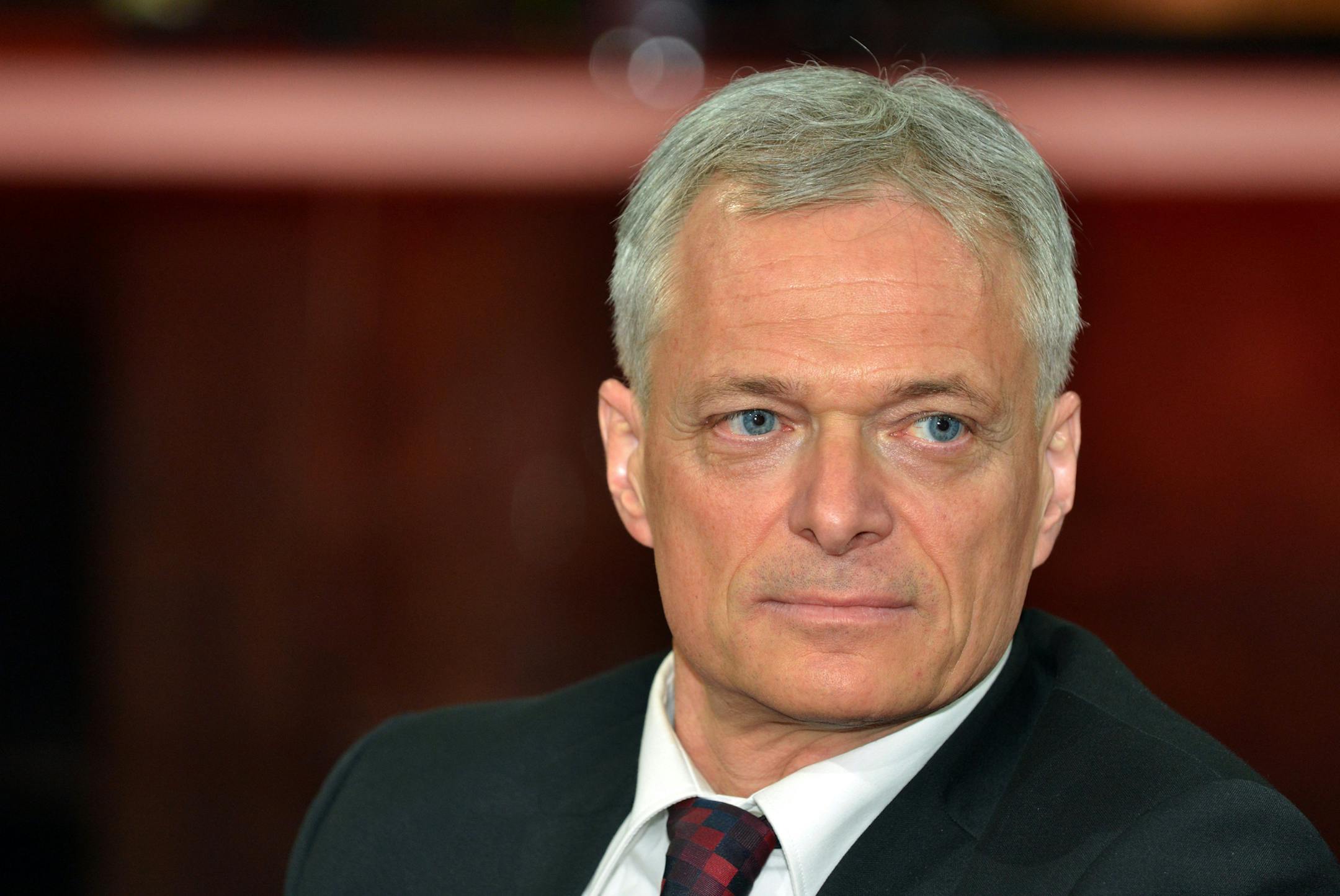
But in looking around for a place where good sense on executive compensation has prevailed, perhaps the best lesson comes from Switzerland, and from an unlikely activist named Thomas Minder.
It was his single-minded, decadelong campaign to curtail executive compensation practices he thought were abusive that led to a sweeping referendum victory last year that made executive compensation subject to a binding shareholder vote.
Just as important to what changed was how the rules were changed, via a direct action of voters. This was no tweak of the rules by lobbyists and political leaders in the capital; it was the whole country debating and then deciding on what was fair.
In that wealthy, business-friendly country, it had become very uncool for one employee to pull millions of Swiss francs out of a publicly held company.


