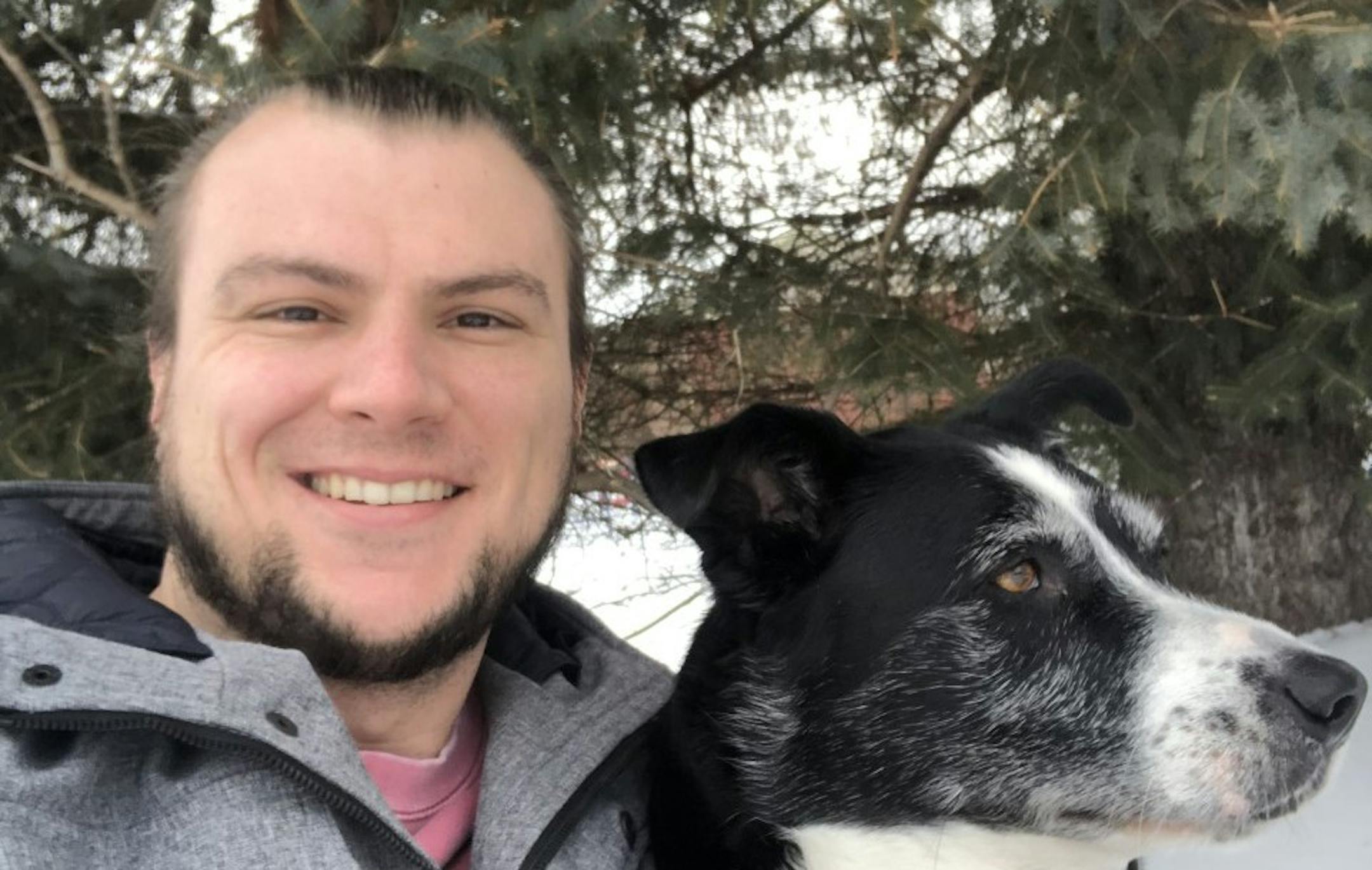
When Wesley Wierson's border collie mutt, Layla, was diagnosed with cancer three years ago, the treatment would have involved having half her jaw removed and going through radiation.
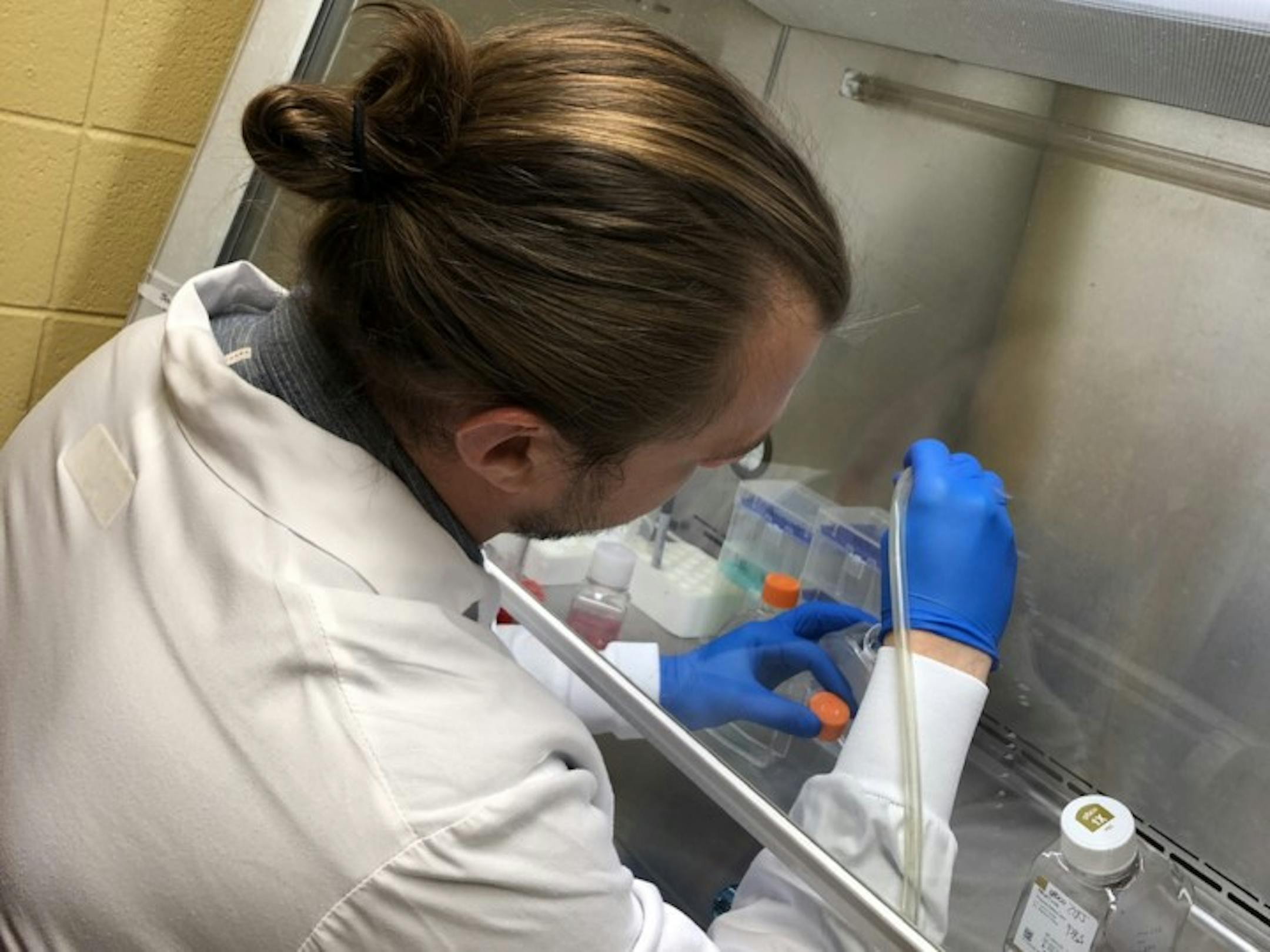
Although later determined to be a misdiagnosis, Wierson's experience shaped a desire to find a way to cure cancer while preserving a dog's quality of life. With a doctorate in molecular, cellular and developmental biology from Iowa State University, Wierson had the expertise to start Leah Laboratories, a biotechnology company that aims to harness gene editing to cure canine lymphatic cancer.
"There exists no veterinary companies right now who are using gene editing to bring about a better life for their dogs," Wierson said. "We really are excited about the opportunity to use our expertise in gene editing to actually be the next companion animal health care company."
Since launching a WeFunder campaign in August, the two-year-old company has received almost $480,000 in investment funding from the site. In total, the company has received more than $1 million. With that money, Wierson said he plans to further research, development and technology application in order to start treating dogs by the end of the year.
"Now it's time to actually start to build what we've been talking about, what we've been promising now for the last two years. So, it's exciting, thrilling and, you know, obviously a little bit scary," Wierson said.
Leah Labs' therapy treats a form of dog cancer called B-cell lymphoma; in humans, the treatment is used in non-Hodgkin's lymphoma. B-cell lymphoma occurs in more than 250,000 dogs every year, Wierson said.
"We realized that … we could bring the therapy that is a remarkable breakthrough in humans and be able to translate that to dogs," he said.
Wierson and his team use gene editing, which reprograms immune cells to recognize and destroy cancerous cells in a process called CAR T-cell therapy.