
Lead levels four times above EPA limit found in Lino Lakes prison taps

Three samples collected on July 29 from two cells and a kitchen faucet tested above the federal safety threshold.

The Minnesota Star Tribune
August 21, 2025 at 11:22PM
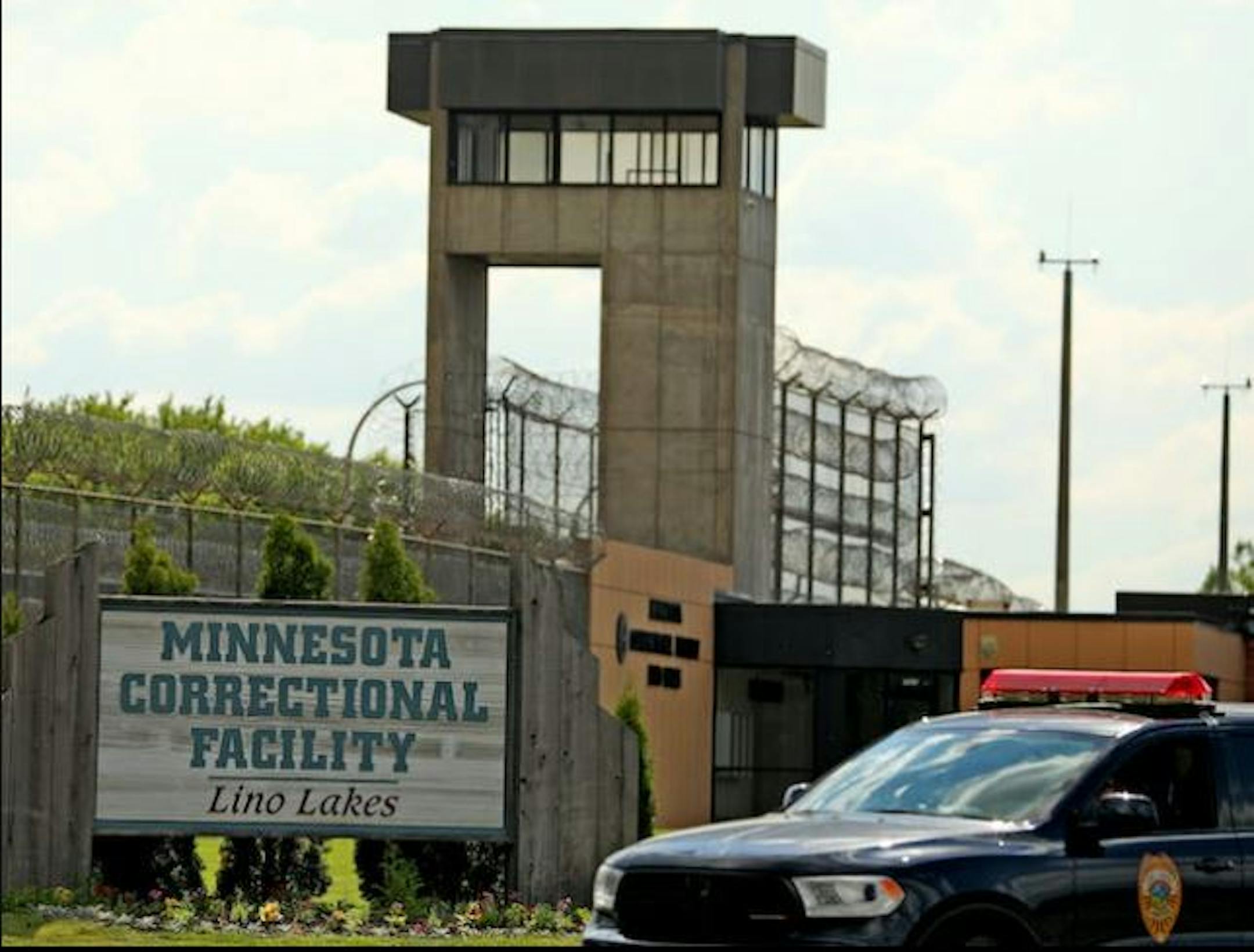
The state’s Department of Corrections has detected lead in water from three faucets at Lino Lakes prison. (Anthony Soufflé/The Minnesota Star Tribune)

The Minnesota Department of Corrections detected high levels of lead in water samples collected last month at Lino Lakes prison, according to an internal memo sent Friday to staff and prisoners.

The department is advising inmates to run tap water for “one minute or greater” instead of providing bottled water, which it did during a lead contamination problem in 2023.

Corrections spokesperson Aaron Swanum said in an email that the Minnesota Department of Health (MDH) confirmed that the facility’s water remains safe to drink. However, Shannon Loehrke, Corrections director of communications, later noted that “there is no known safe level of lead.”

Loehrke said the department is following MDH guidelines, which recommend letting water run for at least one minute before using it for either drinking or cooking, and to use cold water, because hot water releases more lead from pipes.

The DOC is “directing residents to sources that have tested below the action level, flushing the system, and recommending that residents run the water for a minute before drinking,” she said in an email. “Bottled water will be provided if future testing or conditions warrant it.”

The DOC informed staff and inmates of the high lead levels on Aug. 15, although some incarcerated people told the Star Tribune they did not know until this week.

Three samples collected on July 29 — from two cells and a kitchen faucet — tested above the federal safety threshold, Swanum said in an email. The kitchen tap measured 22.7 parts per billion (ppb) of lead, while the two cell samples were nearly three times higher, at 63.7 ppb and 65.6 ppb. Loehrke said that the high levels were related to localized plumbing and not the facility’s water source.

The DOC installed a phosphate injection system to reduce corrosion and prevent lead leaching in February. The system failed about a month after that, which went undetected until it was repaired and restarted on July 28. The department is also identifying brass faucets that may be contributing to lead levels to be replaced, she said.

The Environmental Protection Agency sets an action level for lead in drinking water at 15 ppb. At or above that level, the EPA requires water systems to take measures such as public education and lead service line replacement.

The two cell samples at Lino Lakes exceed the action level by more than four times. Lead at these concentrations is considered unsafe, especially with repeated consumption, and can pose long-term health risks.

Joshua Dow, who is incarcerated at Lino Lakes on a homicide charge, said the 2023 response included 14 bottles of water a day. He still buys 12 bottles a week because he doesn’t trust the facility’s water, but when he went to the canteen this week, bottled water was unavailable.

“The worst part is that they’re not giving us water, and then we can’t even buy the [bottled] water,” Dow said. “We’re stuck. I have no other option but to drink the water.” He added that he only learned about the new contamination on Wednesday after overhearing a correctional officer discussing the memo.

Lucy Geach, 40, expressed concern for her close friend Zhi Kai Vanderford, who is incarcerated at Lino Lakes for a homicide, as well as other inmates.

Vanderford called Geach on Wednesday to ask about symptoms of lead poisoning. “He said, ‘I’ve been experiencing a lot of clouded vision, dizziness and headaches. Can you look up the list and see if what I’m experiencing shows up?’” she said.

In adults, lead exposure can contribute to high blood pressure, joint and muscle pain, memory or concentration problems, headaches, and other health problems.

The MDH has conducted regular testing at Lino Lakes since 2023, Loehrke said. The facility will now be tested every six months. Additional testing will occur in September. Lead contamination in prison drinking water has been reported at other facilities statewide, including Stillwater prison two years ago.

Loehrke also highlighted the statewide plan, created by lawmakers two years ago, to replace all lead pipes in public infrastructure by 2033.

about the writer

about the writer

Emmy Martin

Business Intern

Emmy Martin is the business reporting intern at the Minnesota Star Tribune.

See Moreicon

More from Business

See More
card image
Aaron Lavinsky/The Minnesota Star Tribune

As the end of the year nears, look back at the volatile times and the financial choices you made during them.

card image