

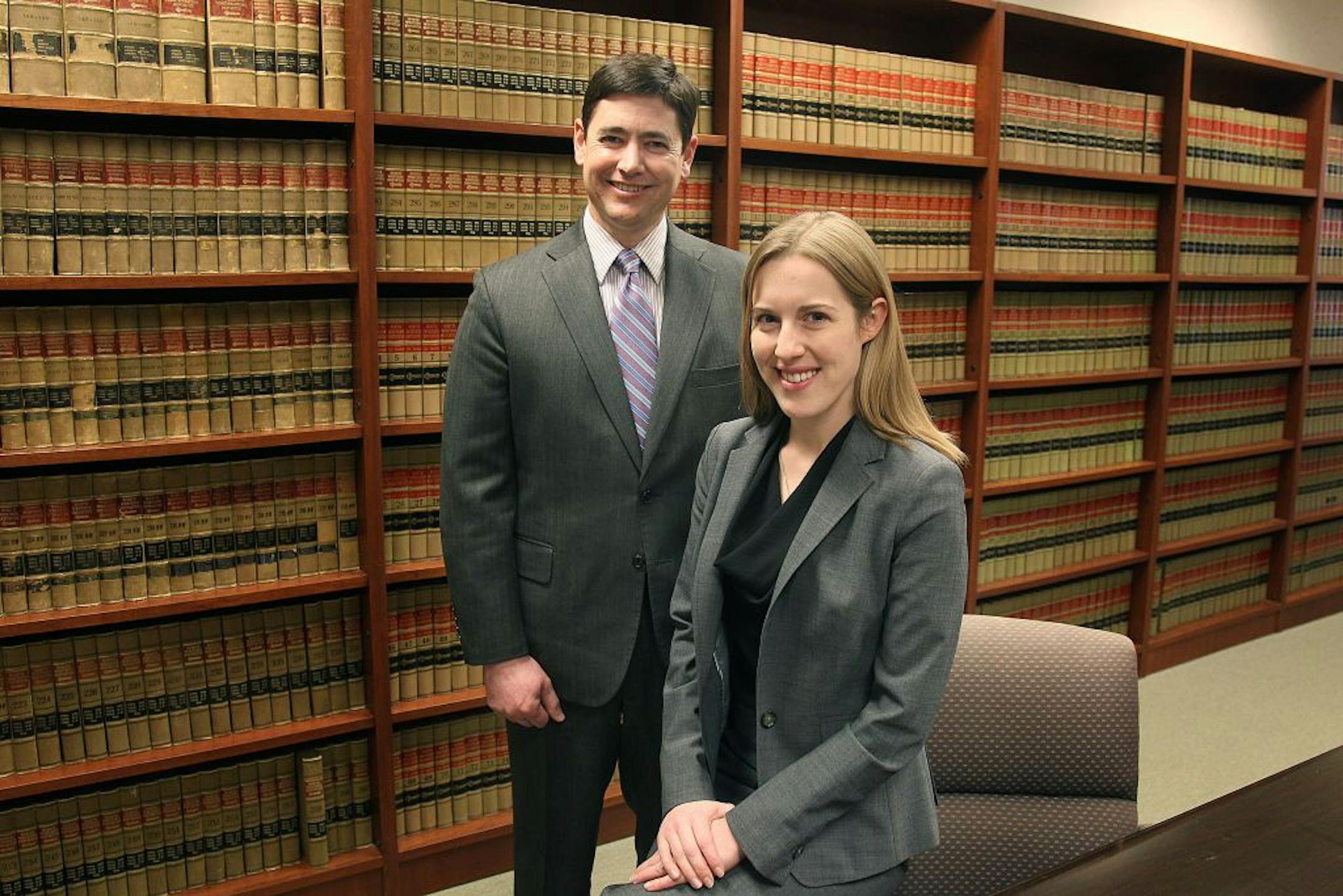
On a recent January morning, attorney Randi Winter sat before U.S. Magistrate Judge Jeanne Graham in St. Paul ready to argue for the dismissal of a lawsuit on behalf of client GMAC Mortgage.
Just three years out of law school, the 27-year-old Winter was getting face time in front of a judge -- a relatively rare opportunity for young lawyers that also presents a chronic challenge for law firms. With the high cost of litigation, most cases settle before reaching the courts. But when they do, clients want experienced litigators making their arguments.
Winter is part of a program developed by her firm, Felhaber, Larson, Fenlon and Vogt, that's designed to give younger lawyers early courtroom exposure to improve their attorney skills.
"I've gotten more court opportunities than I ever expected," Winter said in an interview. "This helps develop your professionalism both with your clients and with opposing counsel."
The Felhaber program sends young lawyers to a trial boot camp in Colorado for advanced training, provides access to federal and state judges to talk about courtroom protocol, conducts mock arguments in real courtrooms before real judges wearing their black robes and places attorneys on assignment with the Minneapolis city attorney's office where they can try actual cases.
Other Minnesota law firms also attempt to polish their young lawyers' courtroom skills with real-world experience.
"There's only so much that law schools can do," said Bryn Vaaler, the professional services partner for the Minneapolis firm Dorsey & Whitney. "There are a lot of things we're better equipped to do than law schools. Law school is the place to get the theory of law."
Dorsey puts its associates to work on pro bono, or non-fee, cases and offers internal training through its "Dorsey U" program with senior members. Fredrikson & Byron, another Minneapolis firm, offers similar training and encourages young attorneys to participate in the federal "Pro Se Project" that helps individuals with limited financial means.


