Until recently, it would have been fair to say that older people simply did not get divorced. Fewer than 10 percent of those who got divorced in 1990 were 50 or older. Today, one in four people getting divorced is in this age group.
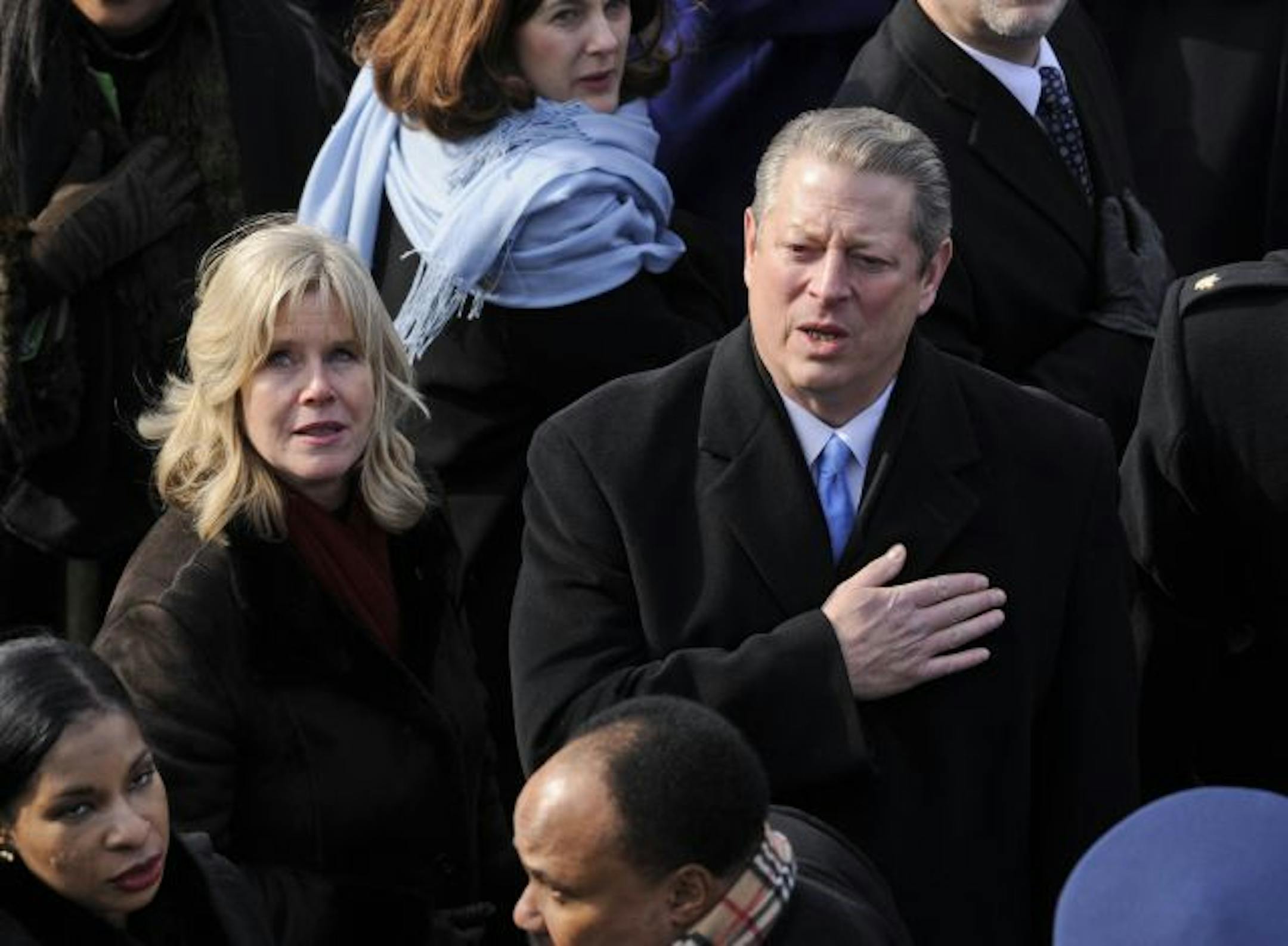
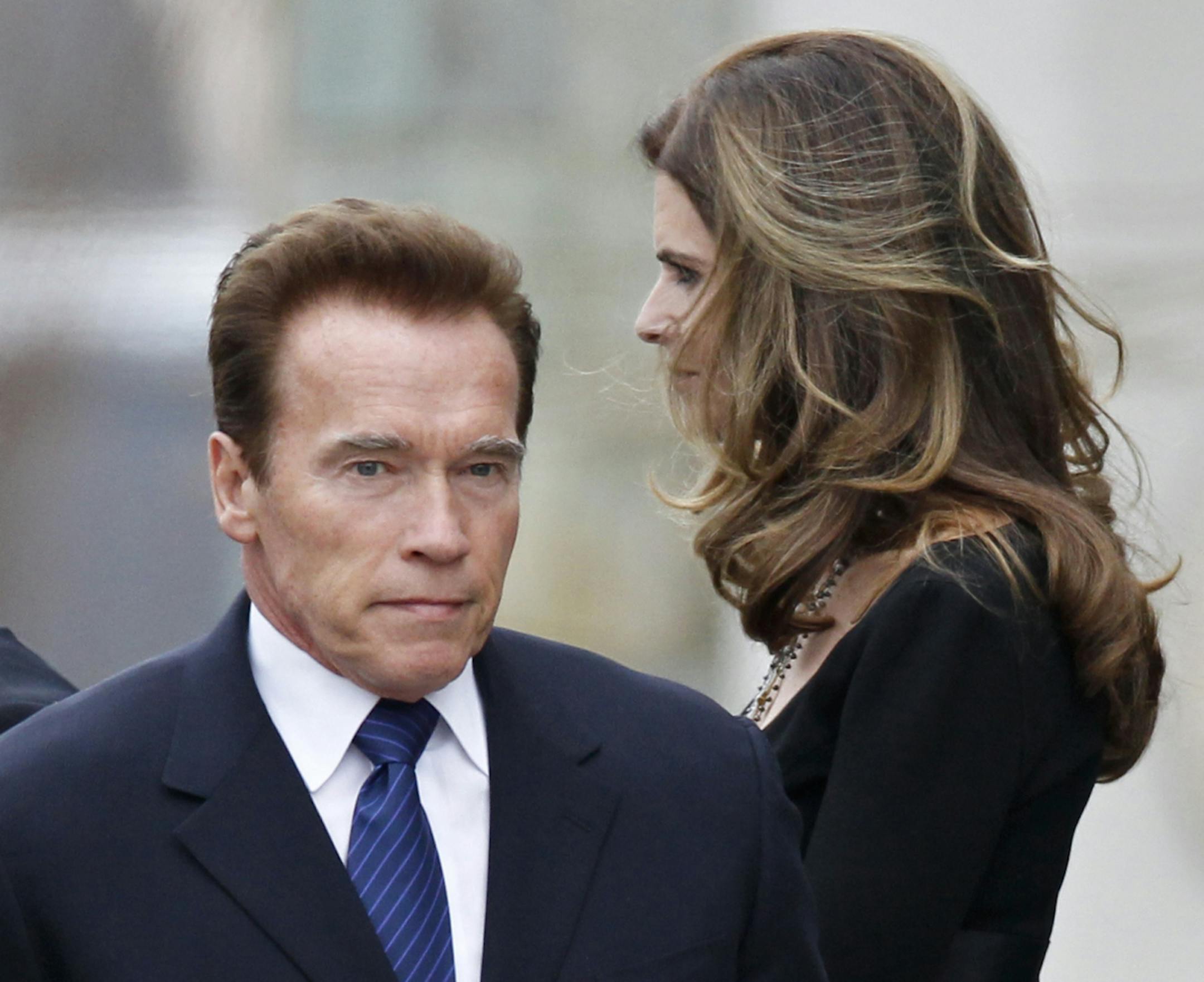
It turns out that those high-profile breakups of Tipper and Al Gore, and of Maria Shriver and Arnold Schwarzenegger, were part of a trend.
Baby boomers, who drove the huge increase in divorce that began during the 1970s and persisted through the early 1980s, are at it again.
The rise in "gray divorce" is a product of dramatic changes in the meaning of marriage in America over the last half-century. We live in an era of individualized marriage and high expectations for marital success.
Today's Americans expect marriage to provide them not simply with stability and security but also with self-fulfillment and satisfaction. Roles are flexible; the traditional breadwinner-homemaker model is no longer status quo. Good spouses share open communication and are best friends.
This is a high bar for many to achieve, let alone maintain over decades while juggling work and child-rearing.
If a marriage is not achieving these goals, then divorce is an acceptable solution, according to most Americans. As Ann Landers famously advised those considering divorce, simply answer the question, "Are you better off with or without your spouse?"
For many boomers, the question is a familiar one because they have already gotten divorced, picked up the pieces and moved on. Boomers are more likely than previous generations to have divorced and remarried. And those remarriages, it turns out, are at greater risk of ending in divorce.