I sailed 2,500 miles across the central Pacific Ocean this summer, visiting islands we dream of as paradise, only to be hit hard with the realization that we are one of the last generations who will experience the Earth as we now know it.
The Holy Grail of our quest, the remote and tiny Suwarrow atoll, lies in the northern Cook Islands, some 700 miles from the nearest land. The crew of our research sailing vessel Llyr, a 53-foot ketch, had high expectations of finding pristine coral reefs in this uninhabited place, which only sailboats can reach. We arrived, exhausted and elated, at the end of a rough passage. Bashing our way through 20-foot waves for several hours, we finally slid through the narrow unmarked entrance into a placid lagoon.
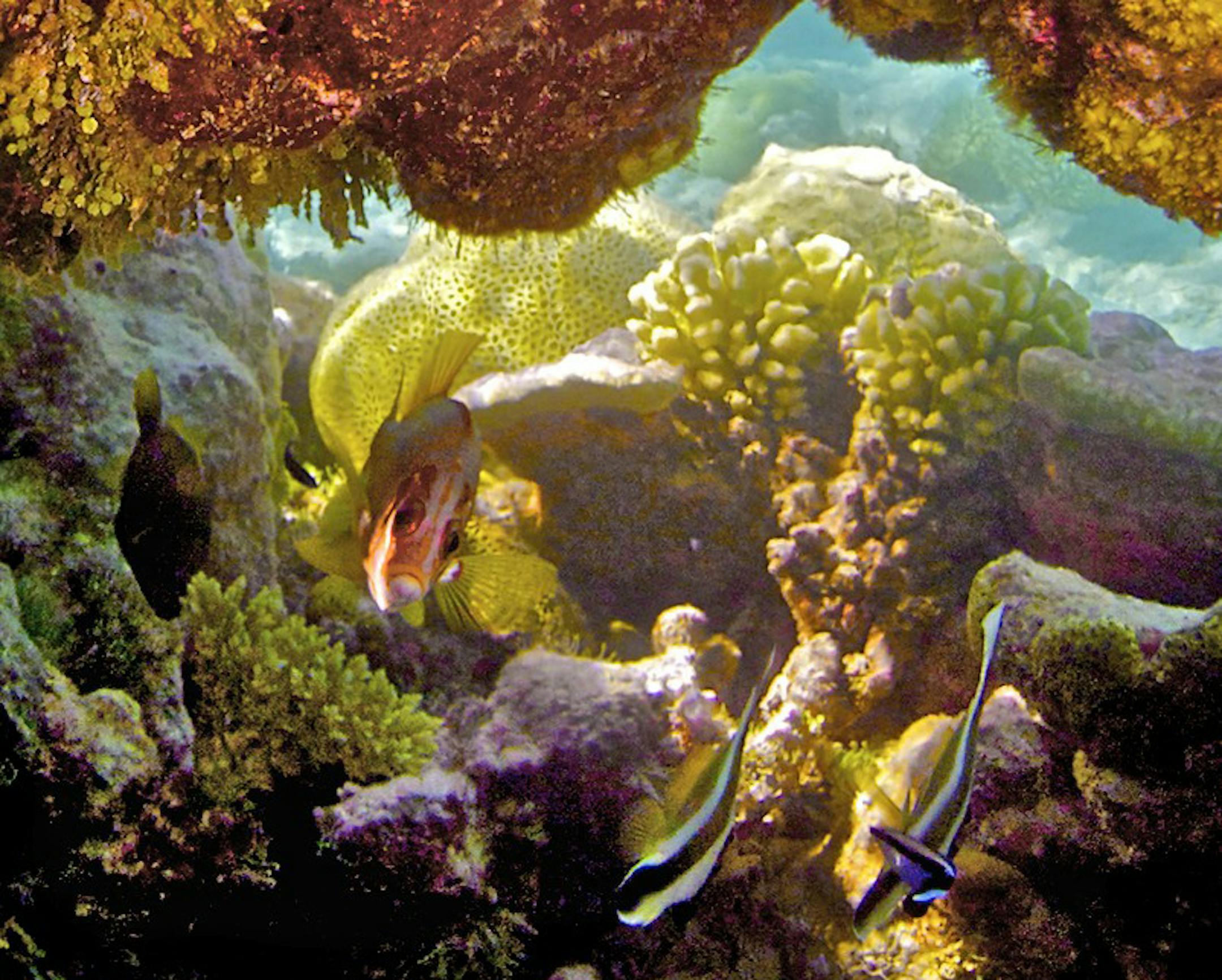
Llyr, named for a Welsh sea god, had sailed from Panama to the far-flung islands of French Polynesia (where I came aboard) to survey coral reefs for a citizen science project, Reefcheck (reefcheck.org). Coral reefs are perhaps the most beautiful and wondrously complex ecosystems on the planet. Enchanted undersea gardens, they occupy only 1 percent of the Earth's seafloor, but contain some 9 million species and a quarter of all marine fish species.
In the more populated islands like Tahiti and Moorea, our crew (mainly a family of five headed by social scientists/ecologists turned maple syrup farmers; see www.berkshiresweetgold.com) saw that the coral reefs were largely dead, which we attributed to local nutrient pollution and overfishing, and (on Moorea) to the crown-of-thorns starfish. Suwarrow atoll, we believed, would be different.
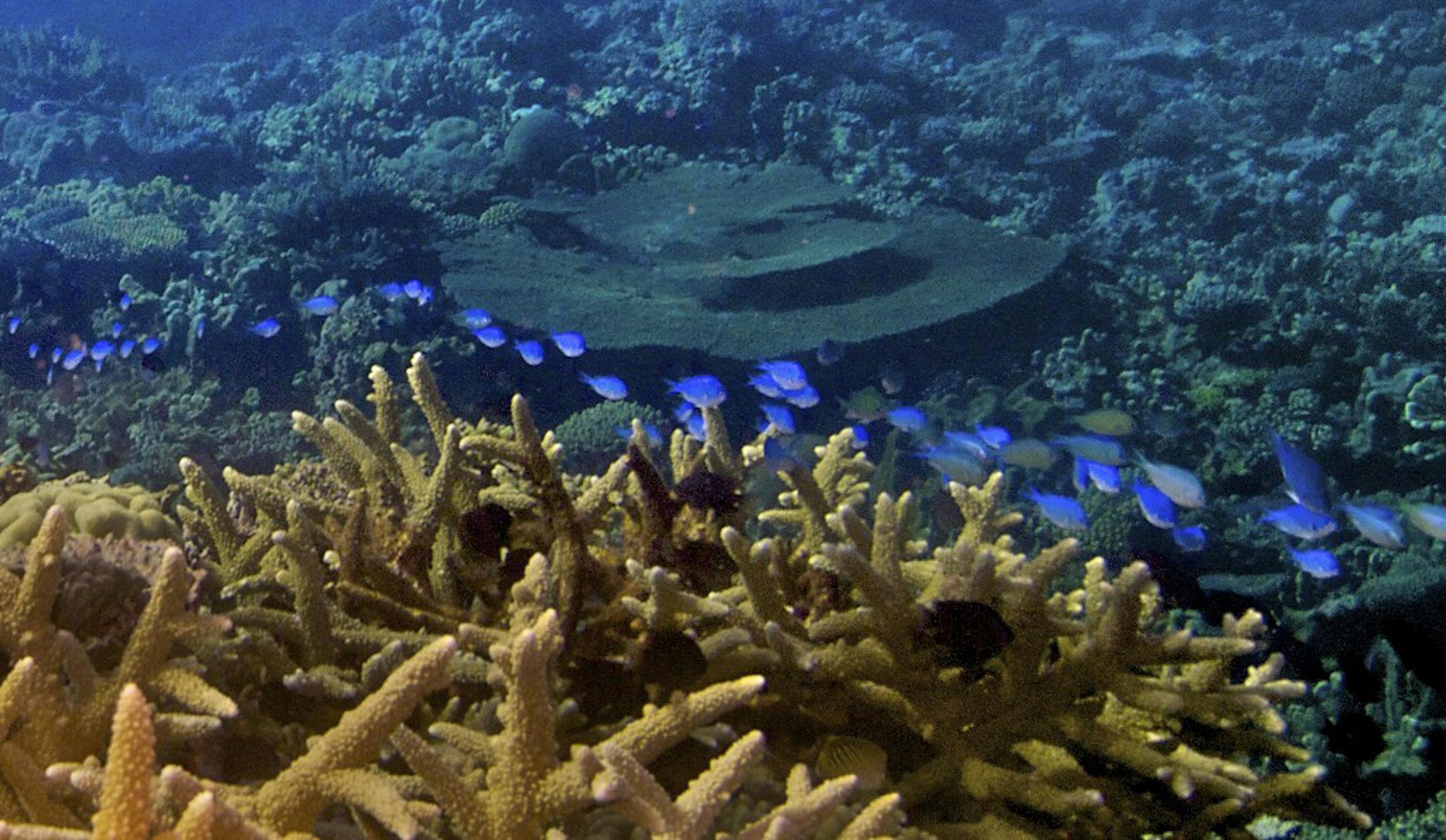
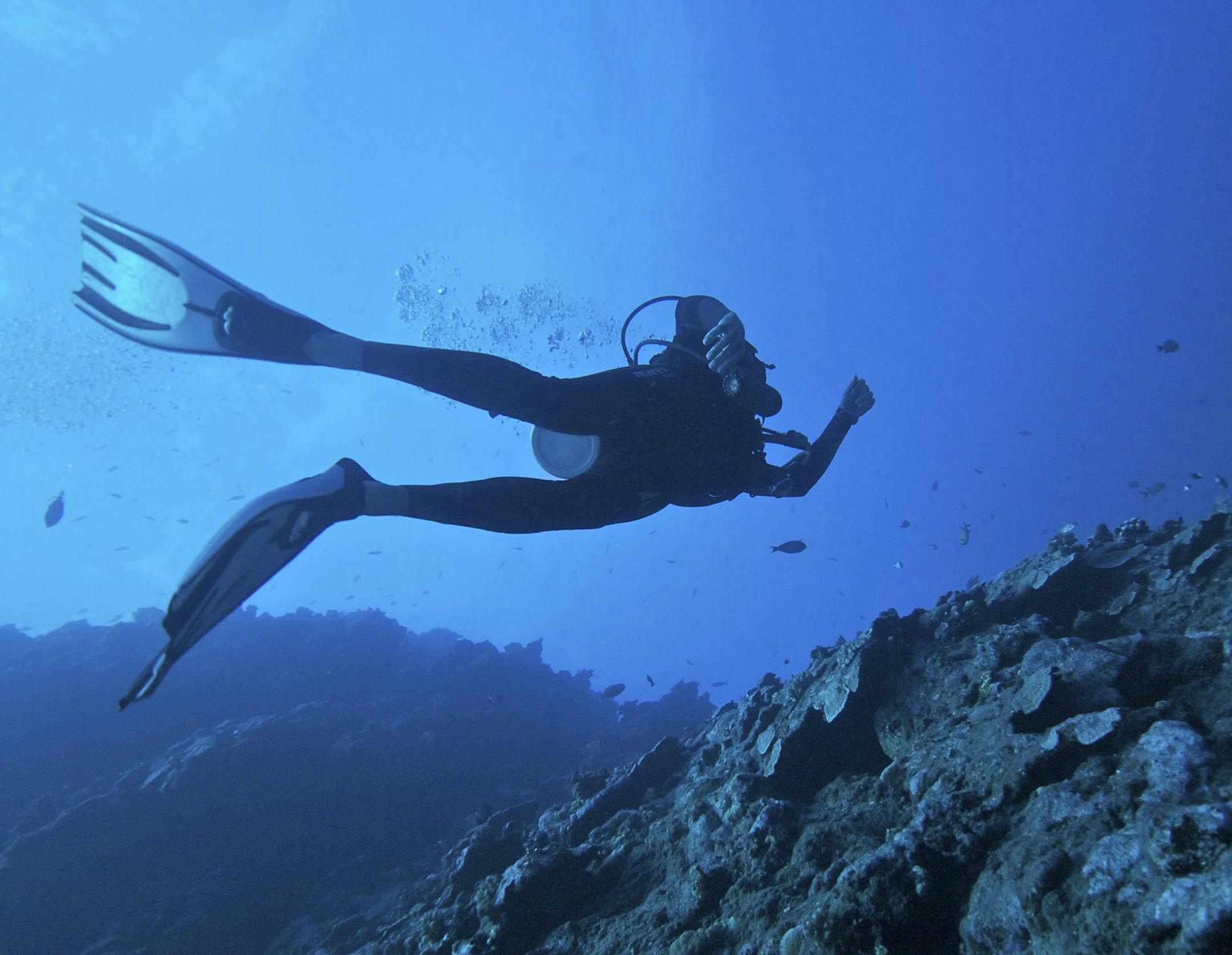
To our surprise and dismay, much of the coral in Suwarrow was dying, some obviously bleached, some algae-covered. We shot videos to record the poor coral health, dove with a couple of manta rays and, with heavy hearts, hauled anchor for the passage to Tonga, without even doing a formal Reefcheck survey.
On the six-day passage to Tonga, we had plenty of time to ponder the decline of the Suwarrow reefs, which we assumed is due to human-caused global warming. No other cause is apparent. Warmer seas cause coral to lose the minute algae that provide their food and oxygen, and the coral bleaches and dies. Acidification due to increased CO2 is another possible explanation.
Under stars and clouds on a night watch, with a full moon lighting up relentless waves, it's natural to think on a geologic time scale. The changes we had seen in the reefs of Tahiti, Moorea, Bora Bora and Suwarrow seemed to me a metaphor for the rest of the planet.
We have known for a long time that the Earth is changing as the climate is disrupted by our fossil-fuel emissions. But I had never so viscerally understood that we are seeing the end of an era in the Earth's history, the end of conditions that have prevailed since the last ice age. This brief shining moment of our lifetime, and a little time thereafter, seems to be the last, best time on Earth for humans and many other species as we slide into a new and different ecological age.