It is no coincidence that Larry Millett lives in what he believes is the oldest rowhouse in Minnesota.
The St. Paul novelist and journalist, who dates his house to 1871 and whose new book is “Mysterious Tales of Old Minneapolis,” likes old stuff.
“Being a history guy, I like living in a historic neighborhood,” said Millett, a former reporter at St. Paul’s Pioneer Press who also wrote the “Lost Twin Cities” column for the Star Tribune and has written fiction and nonfiction that incorporates local history. His books include “Metropolitan Dreams,” as well as “Mysterious Tales of Old St. Paul” and mysteries featuring Sherlock Holmes.
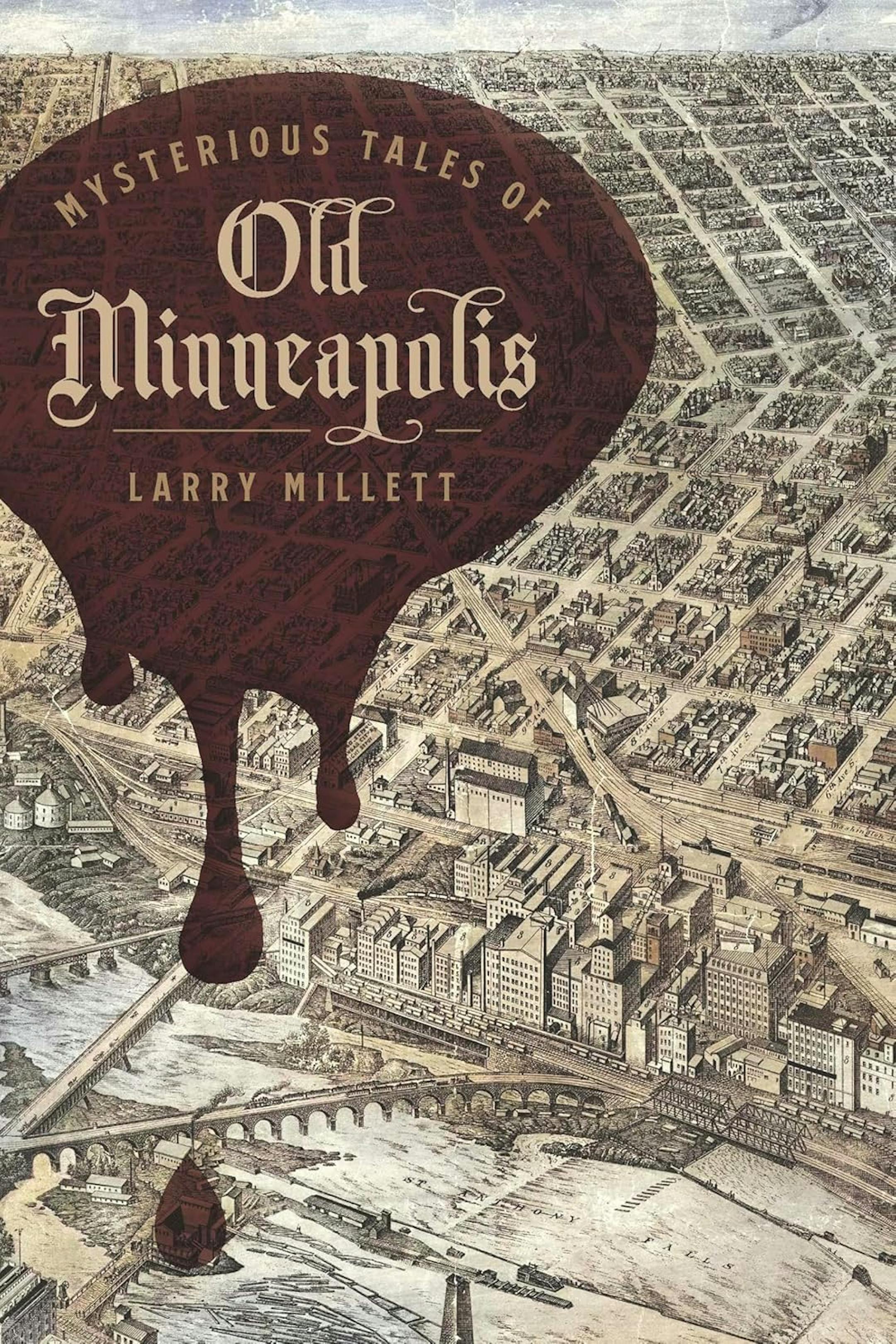
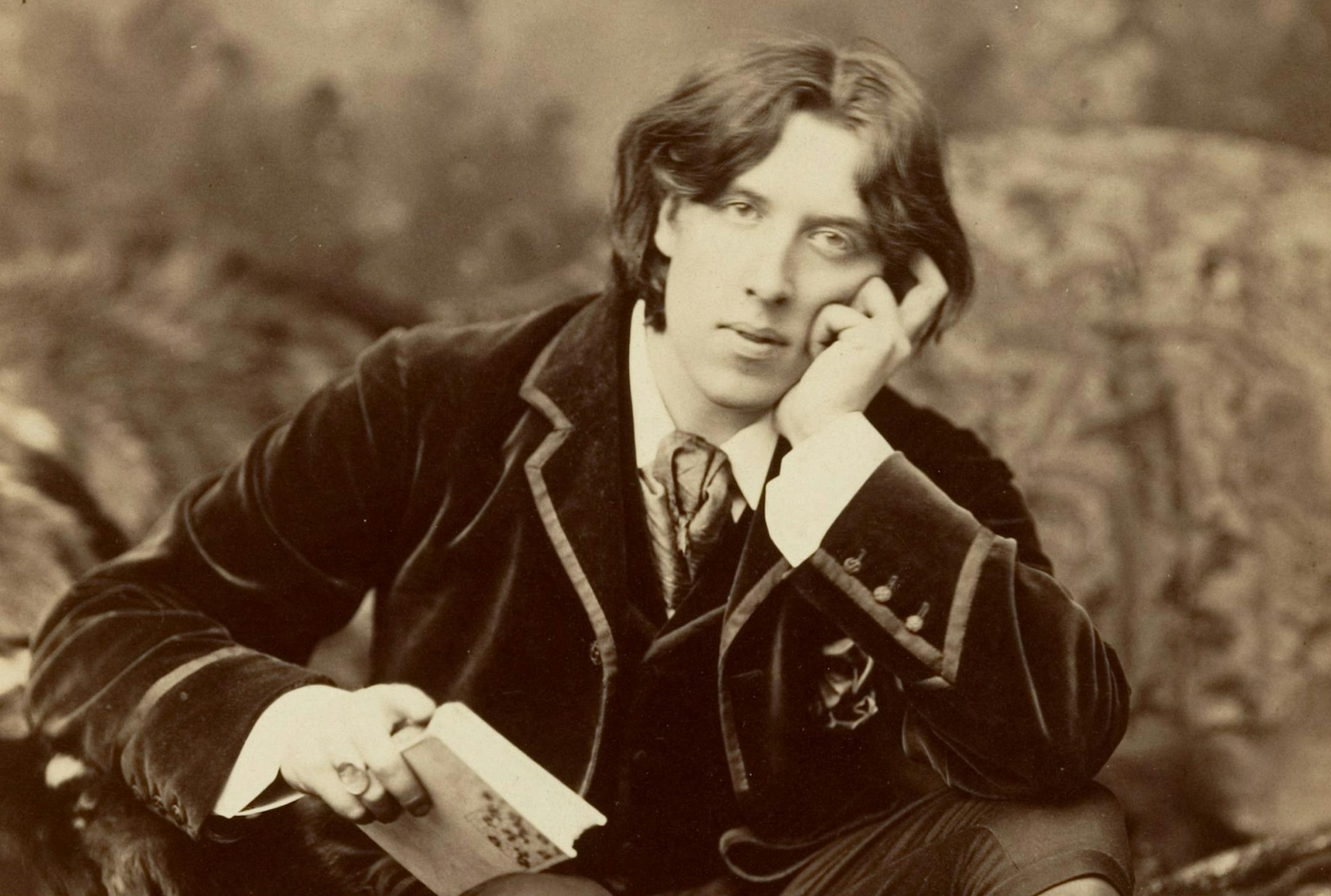
Many of Millett’s interests come together in “Mysterious Tales.” The book collects three novellas in which amateur sleuths — a wealthy woman named Sophie Westerly, her daughter-in-law Annie Nichols and a young Oscar Wilde, a decade before he wrote “The Importance of Being Earnest” — solve three separate crimes.
Like much of Millett’s fiction, “A Wilde Night at the Nicollet House,” is based in historical fact. There really was a downtown hotel called the Nicollet House, although the murder solved by Wilde and a house detective named Robert “Dobsy” McGuire is invented. Wilde really did go on a lecture tour that brought him to Minneapolis and St. Paul in 1882. And the former Academy of Music really did host Wilde.
“He gave the St. Patrick’s Day address in St. Paul. I’d have loved to have heard that,“ said Millett. ”It was a big national tour. I think he was one of the first people who was a celebrity for being a celebrity, the Kim Kardashian of his day. He hadn’t done a great deal of significant work yet.”
Much of the fun of the book comes from the range of reactions to Wilde’s outlandish dress and behavior, ranging from toughs who hate him on sight to bemused Dobsy, who appreciates his insights.
“He is a noir detective type, but he starts to see that this guy is smart and capable and he observes things, because he has the eye of an artist. And, as Dobsy says, it ends up being one of the great experiences of his life,” said Millett, who read three Wilde biographies to get a sense of the man and his wit. Some witticisms in the book are genuine Wilde and some are Millett’s inventions.