Largest-ever Minnesota solar project gets tentative regulator approval

The energy project is the largest ever for solar power in Minnesota. PUC also urges natural gas plant.

March 28, 2014 at 10:44AM
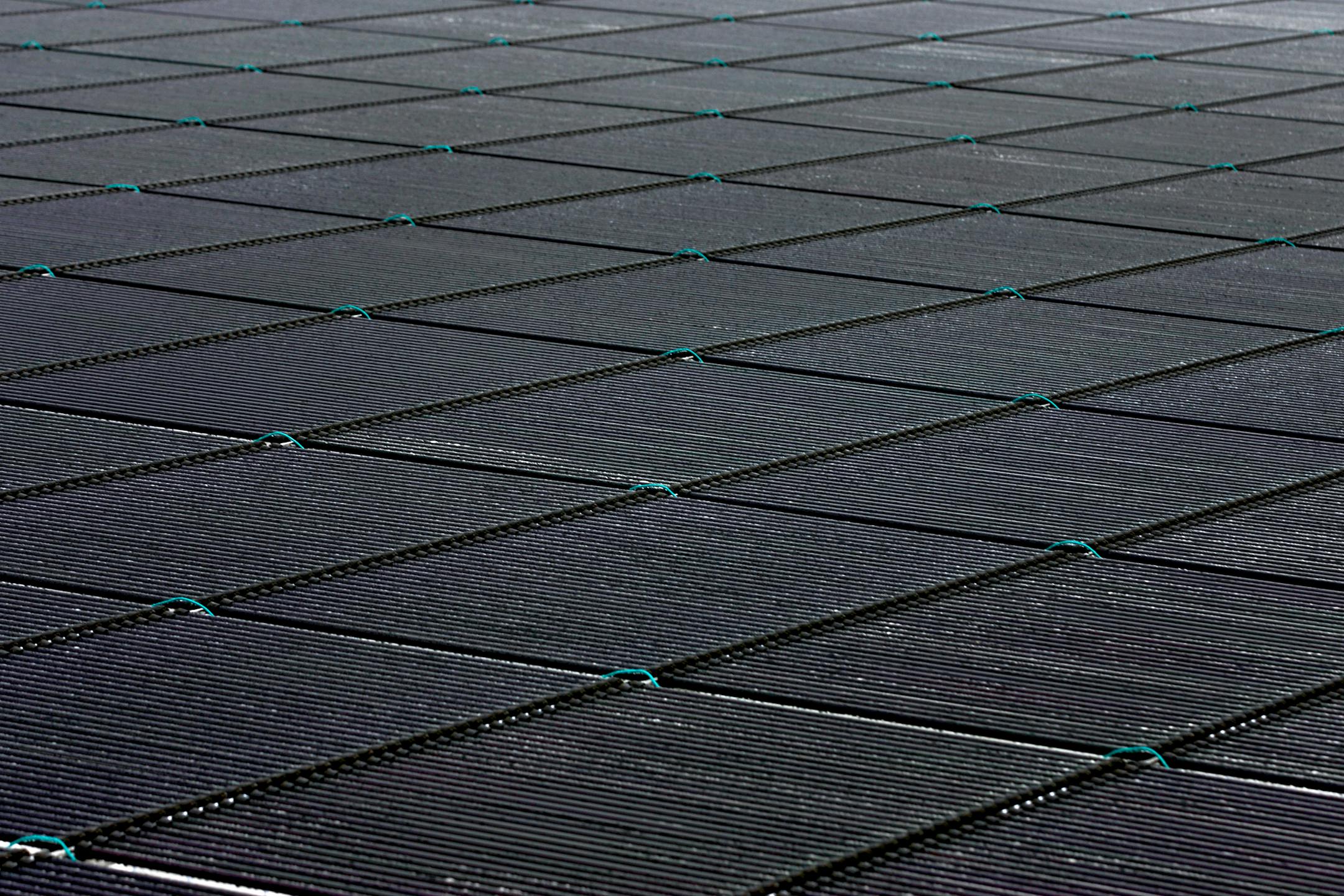
An array of cylindrical shaped solar cell modules produced by Solyndra Inc. harnesses energy from the sun atop the company's manufacturing facility in Fremont, California, U.S., on Tuesday, Nov. 23, 2010. Global manufacturing capacity in the $28 billion solar panel market is set to soar to 30,000 megawatts by 2013 from 10,104 megawatts last year, according to Bloomberg New Energy Finance data. Photographer: Ken James/Bloomberg
The PUC authorized Xcel Energy to negotiate with Edina-based Geronimo Energy for the construction of 20 large solar arrays around the state. (Evan Ramstad — Bloomberg/The Minnesota Star Tribune)

Minnesota utility regulators gave the go-ahead Thursday for the largest expansion of solar energy in state history, and one of the largest projects in the United States.

The state Public Utilities Commission, by a vote of 4-0, directed Xcel Energy to negotiate a power purchase agreement with Geronimo Energy, a renewable energy developer based in Edina, to build $250 million in solar arrays that will generate additional electricity for Xcel's 1.2 million ­customers in the state.

The commission also directed Xcel to negotiate agreements for one or more of three natural gas-burning generators that have been under consideration, a nod to the need for reliable power capacity on a sunless, rainy March day in the Twin Cities.

"It's a big step," said Betsy Engelking, a vice president at Geronimo Energy, who testified during part of the hourslong hearing in St. Paul. "It's going to be Geronimo, and gas."

Jim Alders, a regulatory consultant for Xcel, said that was how he understood the commission's decision as well.

"They're going to use the negotiated power purchase agreements with the gas plants and pick one, two or three of them," Alders said.

The decision marks the first time solar and gas have competed head-to-head on price before the commission. Under the proposal, solar panels that track the movement of the sun will be installed in 20 locations around the state, from Pipestone to Albany to Scandia.

The installations will increase the amount of solar power generation in the state sevenfold. They will range in size from two to 10 megawatts, and will be close to Xcel substations, to cut down on losses through transmission.

Regulators asked for competing bids from energy developers last year because Xcel Energy and state analysts projected a need for more power in 2017-2019, after the remaining two coal-burning units are retired at Xcel's Black Dog generating station in Burnsville.

That set off a trial-like review before an administrative law judge, who closely examined the competing projects, including costs that have not been publicly disclosed because the energy companies consider them trade secrets. Judge Eric Lipman, in an order Dec. 31, recommended that Geronimo Energy's solar ­project would be the best deal.

Commissioners spent several hours discussing the solar and natural gas proposals. The reliability of solar power during times of peak demand was at the heart of the debate, since solar panels can't just be turned on when needed like natural gas generators.

Peak demand in Minnesota, and much of the nation, often occurs on hot days in the summer, when air conditioners are blasting. The sun often is shining at the same time.

Solar is not better than natural gas in all cases, but this bid was "genius" because it uses solar power to help handle peak electrical demand in Minnesota, said Michael Noble, executive director of Fresh Energy, a clean energy policy group.

"Solar wins the bid on ­economics alone," Noble said. "The environmental benefits are just a bonus."

Commissioners compromised, deciding to go with "solar-plus," as Chairwoman Beverly Jones Heydinger put it — the solar arrays plus some yet-to-be-determined generation with natural gas. Commissioners put off a decision on which natural gas proposals to choose, but at least one of the three projects will go forward.

Xcel's proposal to add a natural gas unit at its Black Dog plant is up against two others. One is from Invenergy Thermal Development, a Chicago-based company that would expand its existing Cannon Falls plant. The other is from Houston-based Calpine, which proposed another unit at its Mankato Energy Center.

The initial motion put forward by Commissioner Nancy Lange, argued for regulators to direct Xcel to negotiate agreements just with Geronimo and Calpine. That motion was amended so that Xcel will come up with agreements with Geronimo, Calpine and Invenergy, and also lay out the terms for its Black Dog proposal.

The commission will then decide which gas projects will be approved along with the solar project.

A representative from Calpine said in a statement, "We are pleased with the outcome of today's PUC deliberations and look forward to working with Xcel to bring this flexible and needed resource to fruition."

Adam Belz • 612-673-4405 Twitter: @adambelz

(left to right) Minnesota Public Utilities Commission Commissioners David C. Boyd, Beverly Heydinger, Nancy Lange and Betsy Wergin talked about the decision on whether solar or natural gas represents the best power source to increase electrical generation for Xcel Energy during a commission meeting on 3/27/14.] Bruce Bisping/Star Tribune bbisping@startribune.com David C. Boyd, Beverly Heydinger, Nancy Lange and Betsy Wergin/source.
(left to right) Minnesota Public Utilities Commission Commissioners David C. Boyd, Beverly Heydinger, Nancy Lange and Betsy Wergin talked about the decision on whether solar or natural gas represents the best power source to increase electrical generation for Xcel Energy during a commission meeting on 3/27/14.] Bruce Bisping/Star Tribune bbisping@startribune.com David C. Boyd, Beverly Jones Heydinger, Nancy Lange and Betsy Wergin/source. (The Minnesota Star Tribune)
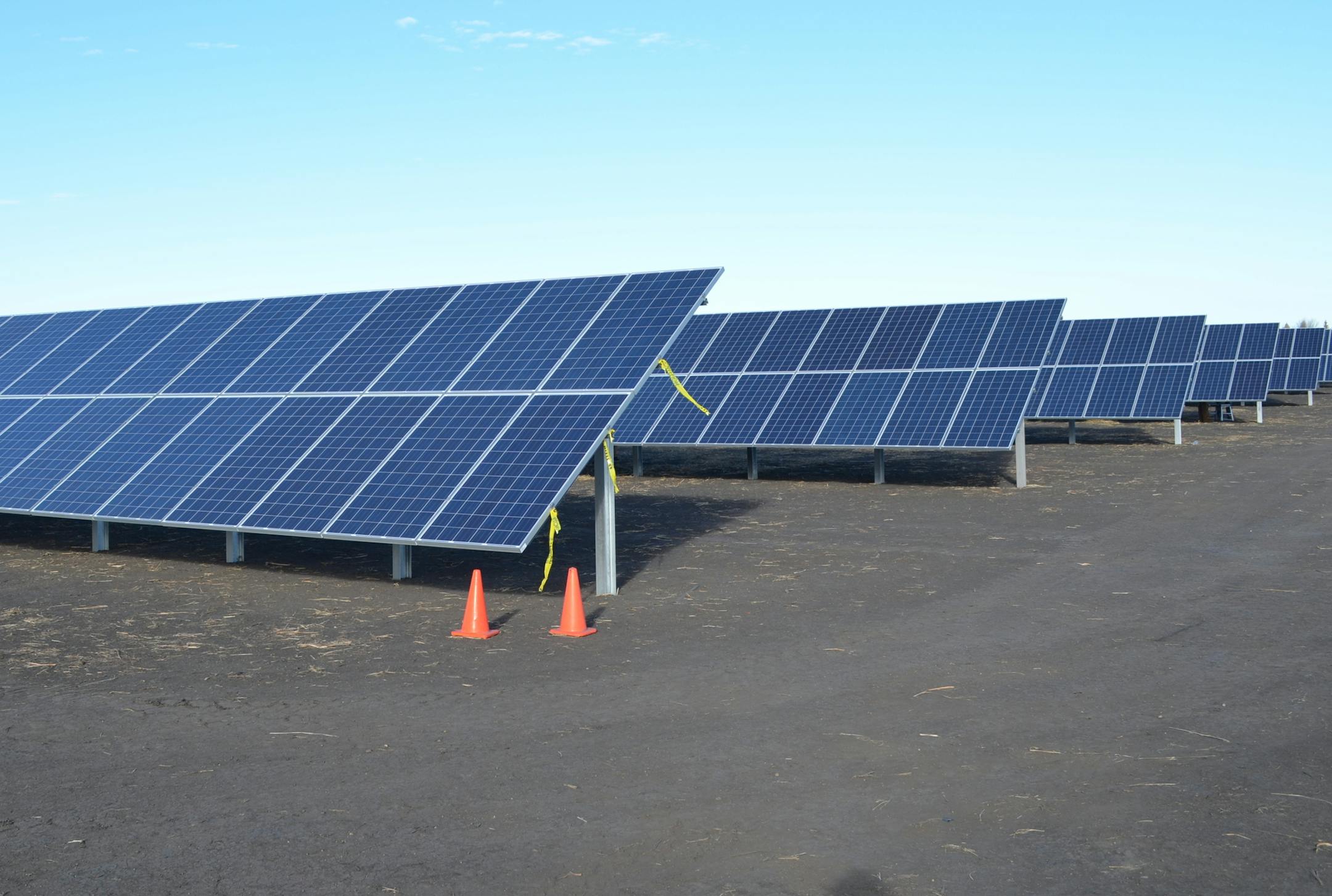
Photo credit: Brad Wilson/Ecos Energy The largest solar-electric installation in Minnesota sits on a field outside Slayton, Minn., 180 miles southwest of the Twin Cities. The project developer, Ecos Energy, based in Minneapolis, plans to flip on the switch on Friday Jan. 4, 2012. The solar array has 7,040 solar panels in 32 rows and is the largest in Minnesota, with an output of 2 megawatts of electricity, the equivalent of that used by 250 homes. The power is being sold to Xcel Energy. The $7 m
Large solar arrays, like this one completed in 2012 in Slayton, Minn., would be built by Geronimo Energy of Edina at 20 locations across the state. The Slayton array, built by Ecos Energy, is the largest in the state. (The Minnesota Star Tribune)
about the writer

about the writer

Adam Belz

Reporter

Adam Belz was the agriculture reporter for the Star Tribune.

See Moreicon

More from Business

See More
card image
Shari L. Gross/The Minnesota Star Tribune

The nonprofit grocery store opened in 2017 to serve a neighborhood deemed a food desert.

card image
card image