Teenagers are generally obsessed with their smartphones. So much so that Kristin Hatling’s family recently encountered a gaggle of them who had brought their screens into a resort’s hot tub.
“My daughter, who’s 11, was like, ‘Mom, all they’re doing is looking at their phones and, like, making kissy faces into them. They’re not even talking to each other.”
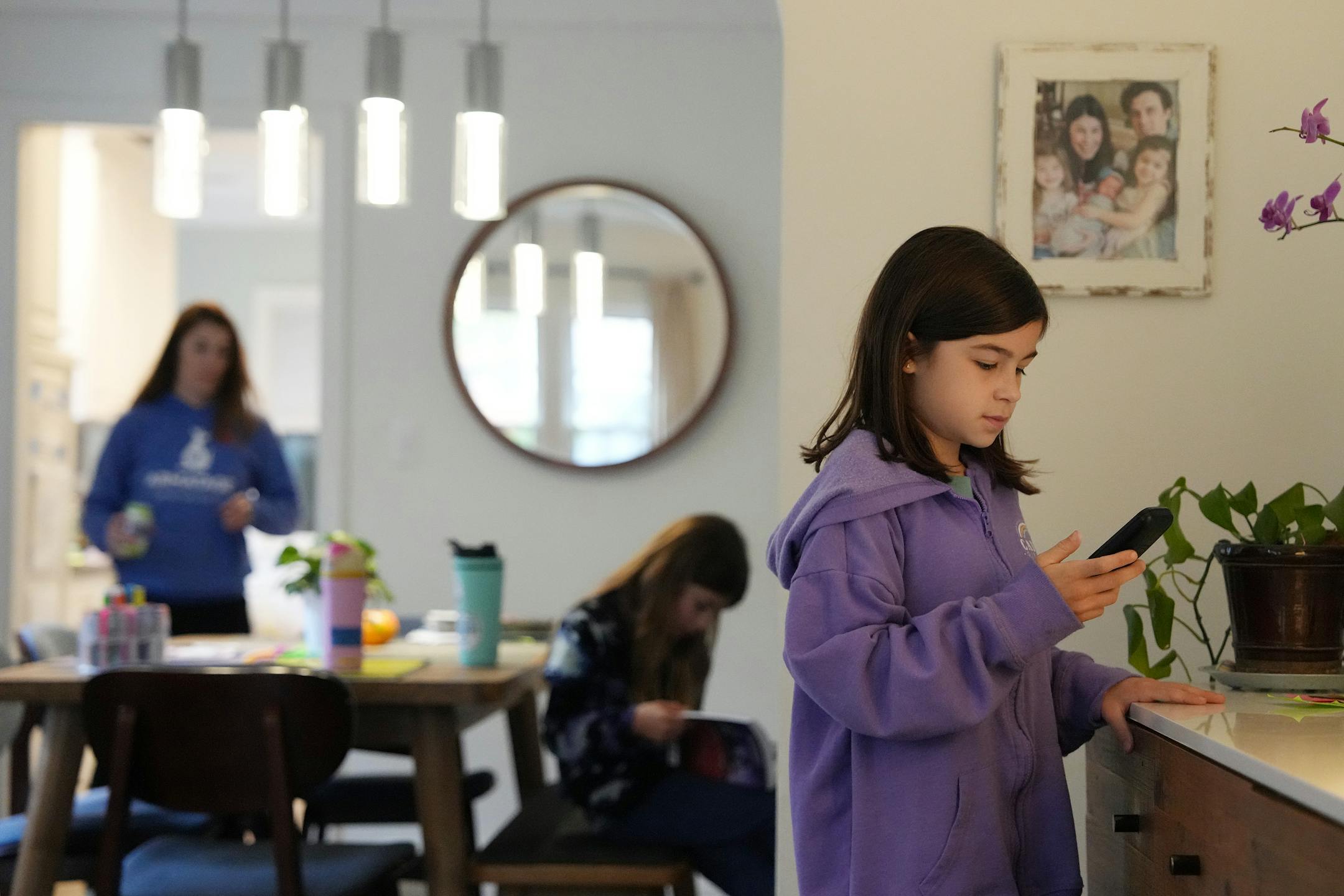
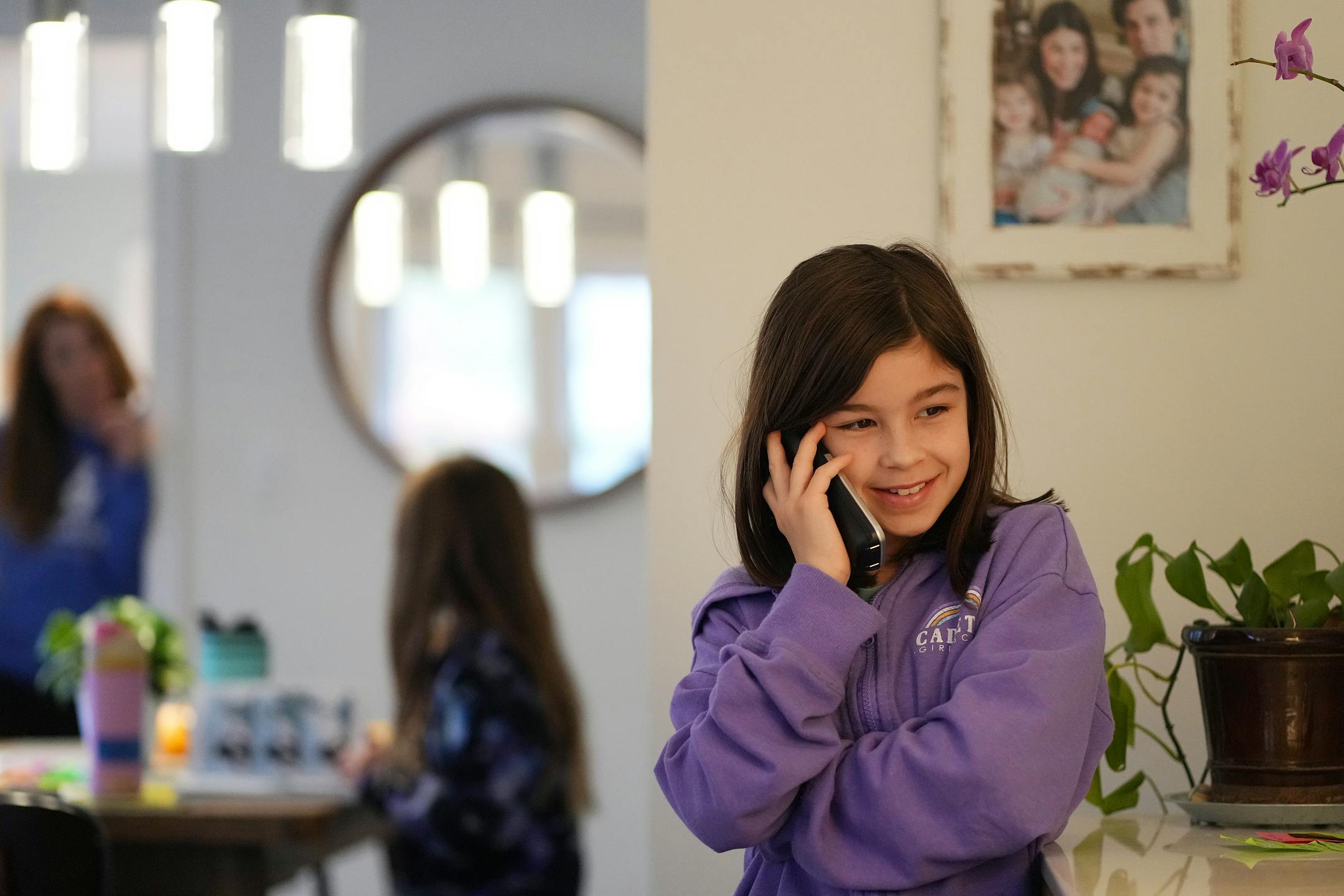
While a majority of American 11-and-12-year-olds have their own smartphones, the Minneapolis mother of three is among a growing cohort of parents looking back to their own childhoods for a lower-tech alternative. They’re ringing up the landline most households have now abandoned, whose old-school handsets are so rare parents have to coach kids how to use them. These modern “landlines,” which are actually Wi-Fi-enabled home phones, have proved popular. One kid-friendly version, the Tin Can, is on a several-month backorder.
Millennial and Gen X parents who spent their teenage years stretching spiral phone cords into their bedrooms and talking until their receiver-ears burned, are reviving the home phone to improve their kids’ communication skills without the risks a pocketful of internet can bring.
Hatling and other Minnesota parents say the landline has introduced their kids to the lost art of conversation, given them more independence and helped them take responsibility for their relationships.
But first, Gen Alpha had to learn Landline 101: How to put your mouth near the receiver.
Initially, Hatling’s kids held their new cordless handset out in front of them, as they did using FaceTime. “I was like: ‘That doesn’t work. You have to put it up to your ear,’” she recalled. “And then when someone picked up, they didn’t say anything. And I was like, ‘OK, what you want to say is, Hi, this is Harper. Is so-and-so there?’”
Early adopters hope to boost their landlines’ impact by encouraging their peers to stave off the smartphone and answer the home-phone’s call.