

"Fissuring" is a threat to American workers, according to the government, but it has nothing to do with making work sites earthquake-proof.
Instead, the U.S. Department of Labor describes fissuring as the increasingly common practice of outsourcing certain work though business models that "obscure, or eliminate entirely, the link between the worker and the employee." The government agency this month issued guidelines to clarify what it means to be an employee under the Fair Labor Standards Act.
The stakes are high for employers, workers and the government. While companies can legitimately outsource work for business reasons, misclassifying workers as independent contractors has also enabled some employers to avoid paying unemployment insurance and workers' compensation as well as evade compliance with regulations protecting worker rights, health and safety, according to the Labor Department. In addition, a worker's status as employee or contract worker can affect access to benefits such as health insurance, retirement savings plans and sick leave.
The department's enforcement efforts have focused on industries with a high incidence of fissuring, including construction, hospitality and janitorial services. The new guidelines examine the "economic realities" in the relationship between worker and company, testing whether the work is integral to the business, if the relationship is permanent or indefinite and the degree of control the company exerts over workers, for example.
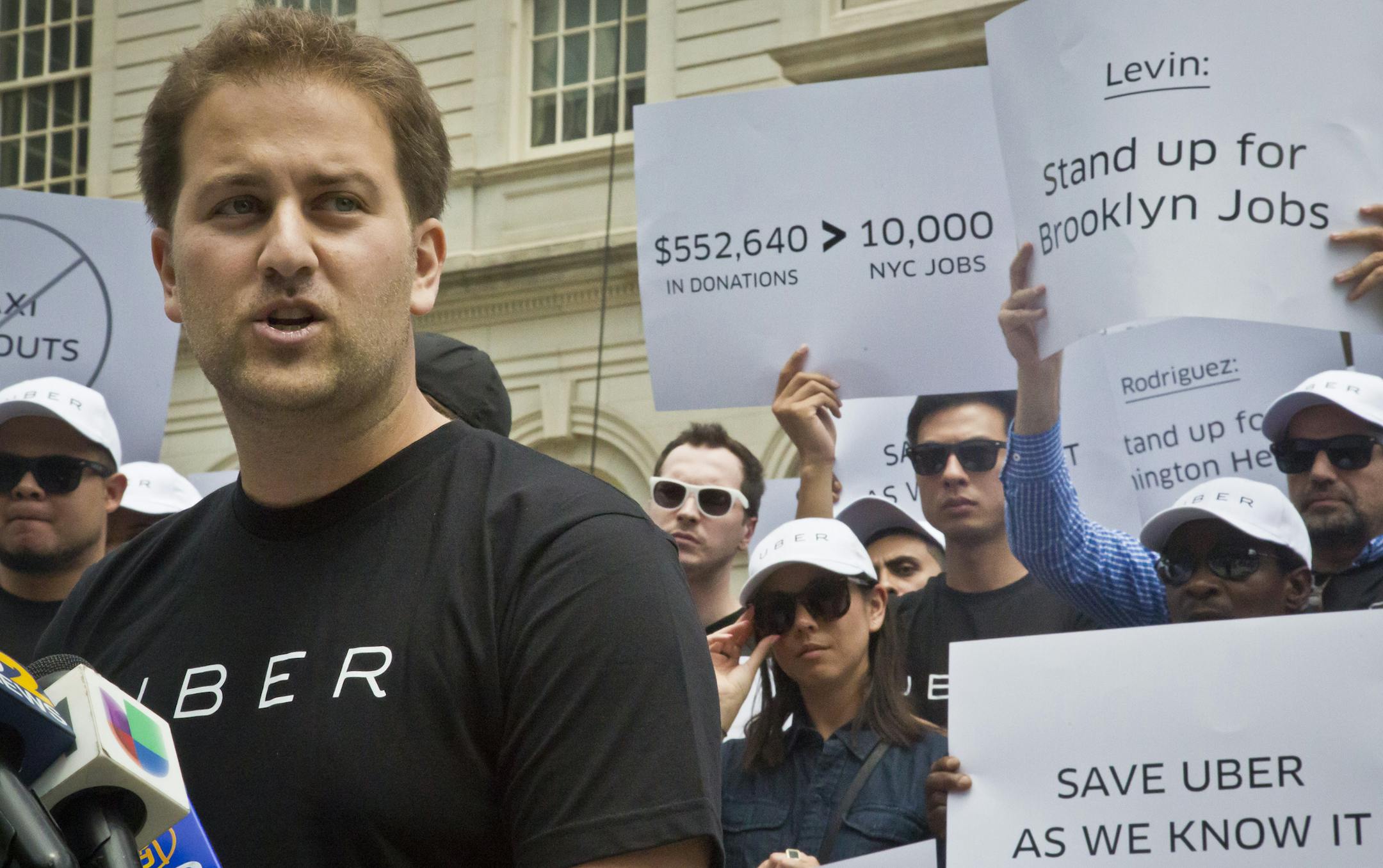
The issue has gained increased visibility in recent years as virtual companies offering services as diverse as on-demand drivers, health aides, copy editors and personal shoppers connect paying clients to an army of freelancers. Drivers for Uber, the smartphone-enabled ride hailing service, became archetypical workers in the new "gig economy" while the company has become the poster child for a technology-enabled disruptive business models.
Now Uber is under assault from its drivers in San Francisco who are pursuing a class-action lawsuit, claiming they deserve employee status and benefits while the company argues that its hundreds of thousands of drivers are independent contractors. As the case plays out in the California courts, it puts front and center the issue of what "employment" means and how the job market has changed since the Great Recession.
In Minnesota, a legislative audit study in 2007 estimated that 1 in 7 workers across the state were misclassified as independent contractors, based on an examination of unemployment insurance payments. The Department of Labor and Industry now investigates the validity of "independent contractor" status in the construction trades across the state. It can levy fines for failing to register and revoke contractor licenses.
Charlie Durenberge, assistant director for construction codes and licensing at the department said he's seen since "a greater level of professionalism" among the construction trades since stepped up enforcement began in 2012. Written contracts, invoicing and subcontractor registration have all increased. Previously, business was done on a verbal handshake with no paper trail to show how workers were being paid, Durenberger said.



