Michael Twitty talks a lot about intersectionality. But one intersection couldn't hold all of his identities. Food writer, scholar, culinary historian, Hebrew school teacher. African American, Jewish, gay man. Instead, he's at the center of a roundabout, with spokes going back in time as he explores the ways food and identity have always intertwined.
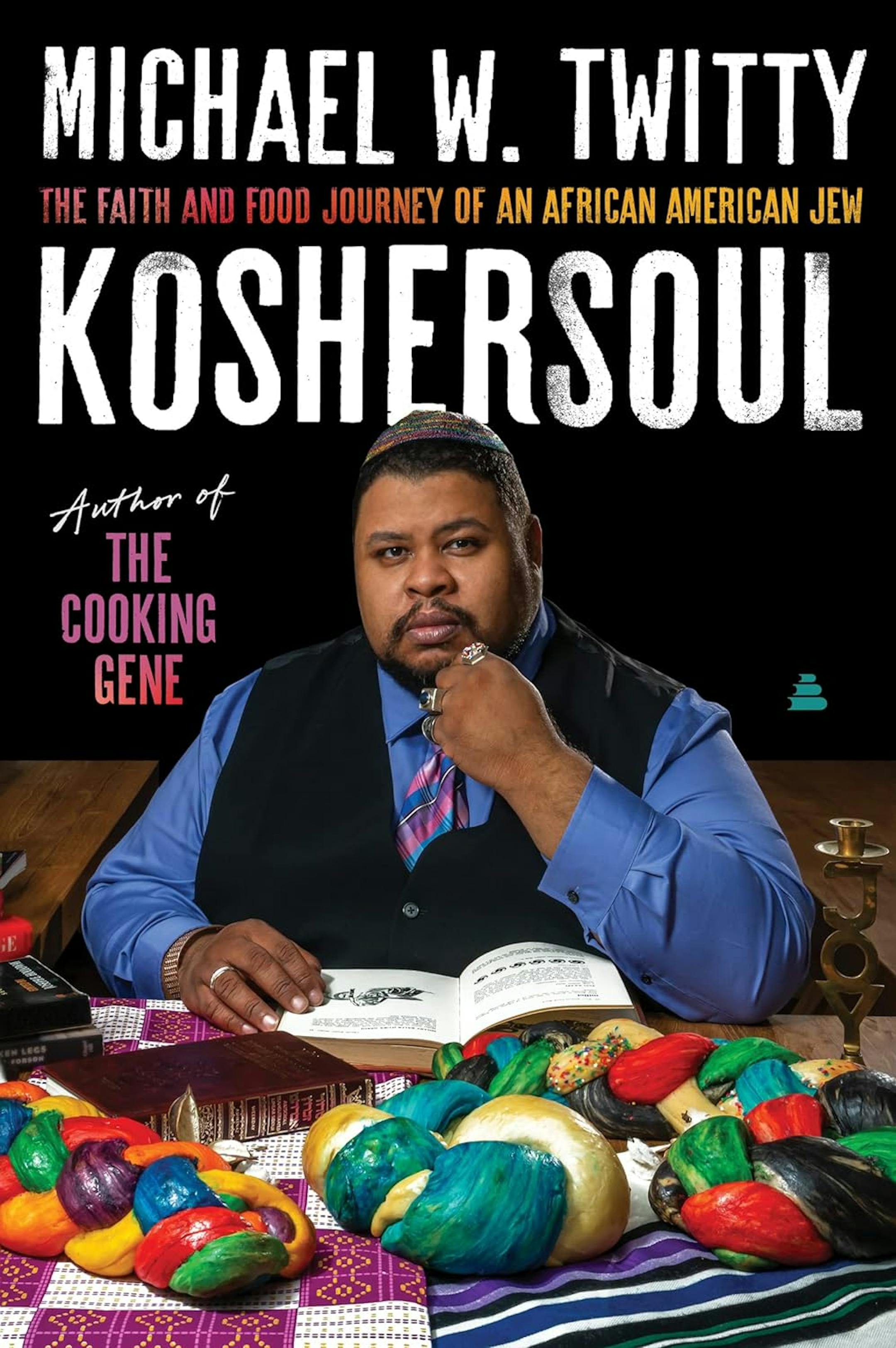
The award-winning author of "The Cooking Gene," which explores African-American culinary history from slavery to freedom, and the memoir "Koshersoul: The Faith and Food Journey of an African American Jew," is speaking Jan. 10 at Beth El Synagogue in St. Louis Park about how two major diasporas, African and Jewish, have used food to navigate and overcome oppression.
Twitty, who lives in Virginia, is also the founder of the food blog Afroculinaria, the first devoted to African-American historic foodways and their legacy. The James Beard Foundation named "The Cooking Gene" its cookbook of the year in 2018, with Twitty also receiving the foundation's best writing award. "Koshersoul" was named book of the year at the 2023 National Jewish Book Awards, a first for a Black author.
Twitty spoke to the Star Tribune about his avoidance of lutefisk, his favorite intersectional Shabbat dishes and how food becomes a vehicle for "resisting erasure." The interview has been edited for length and clarity.
Q: Do you have any food plans while you're in Minnesota?
A: One. Avoid lutefisk at all costs.
Q: Ha! Is it the texture?
A: It's the texture, and just the fact that it twerks. All of it.
Q: Tell us about your upcoming talk.
A: I don't demonstrate food. I don't do any foodie things, and it's really important because to be honest, some people like to eat and sit back and just enjoy the fruits of someone else's labor. It is a larger conversation, about food, about memory, about all these big topics that we savor as we get older, but often don't recognize when we're younger. Our identity is in our food, and in the stories we tell about it and around it, and the people who prepare the food and how it's grown and how it's raised, how it's caught, how it's harvested, how it's gathered, how it's prepared. All that stuff matters. And it's a part of our collective biography. And that's what "Koshersoul" is really about. It's about, well, if you're African American and Jewish, how do these two very old, very rooted food traditions that have also branched all over the earth, how do they come together? What do they have to tell us knowing just about these two groups in a Venn diagram, but also about being American?
Q: You're also doing a workshop with teenagers the night before your talk. Why is it important to you to have this conversations with youth?
A: You know, I spent 15 years as a Hebrew school teacher across four movements of Judaism. That's a job I once had and enjoyed everything about — except for the fact that you get up early on the weekend. But right now, we're dealing with a time where Jewish identity is a really big topic of debate within the context of the current conflict. For me, it's really important to address that and talk about my own place in Jewish identity and also in Black identity and expose this particular group of young people who may not have had access to this conversation. It's not every day that they have an African American Jewish person in very white Minnesota talking about intersectionality.