

Two of the world's leading pioneers in substance abuse treatment are pondering how to work together as millions more Americans soon will have access to their services.
Minnesota's Hazelden Foundation and the California-based Betty Ford Center said this week they are discussing a "formal alliance" in response to changes driven by the Affordable Care Act.
In 2014, the law will require insurers to sell plans on new state-based insurance exchanges that will cover substance abuse and mental health treatment as an essential service. Such care already is covered by Medicaid, the state-federal health insurance program, and 26 states have decided to include more people in the program next year.
Analysts predict that the increased access to insurance and the need to coordinate care to hold down costs ultimately will result in a wider variety of substance abuse services. Many will be offered in outpatient settings, not the cloistered stand-alone residential centers that have drawn celebrities and thousands of others to Hazelden and the Betty Ford Center.
"Providers are having to start looking at what is driving the cost," said Andrew Croshaw, of the health care consulting firm Leavitt Partners. "They think, 'If we're going to have to quarterback the whole patient health experience, we've got to have a way to intervene in mental health, or it's going to mean more visits to the emergency room, more overdoses, more expensive treatment.' "
Similar approaches
Hazelden and the Betty Ford Center didn't release details about the nature of their talks and declined to comment beyond a prepared statement.
Hazelden, founded in a rural Minnesota farmhouse in 1949, is the older and larger of the two organizations, which share a similar, abstinence-based approach to treating drug and alcohol issues.
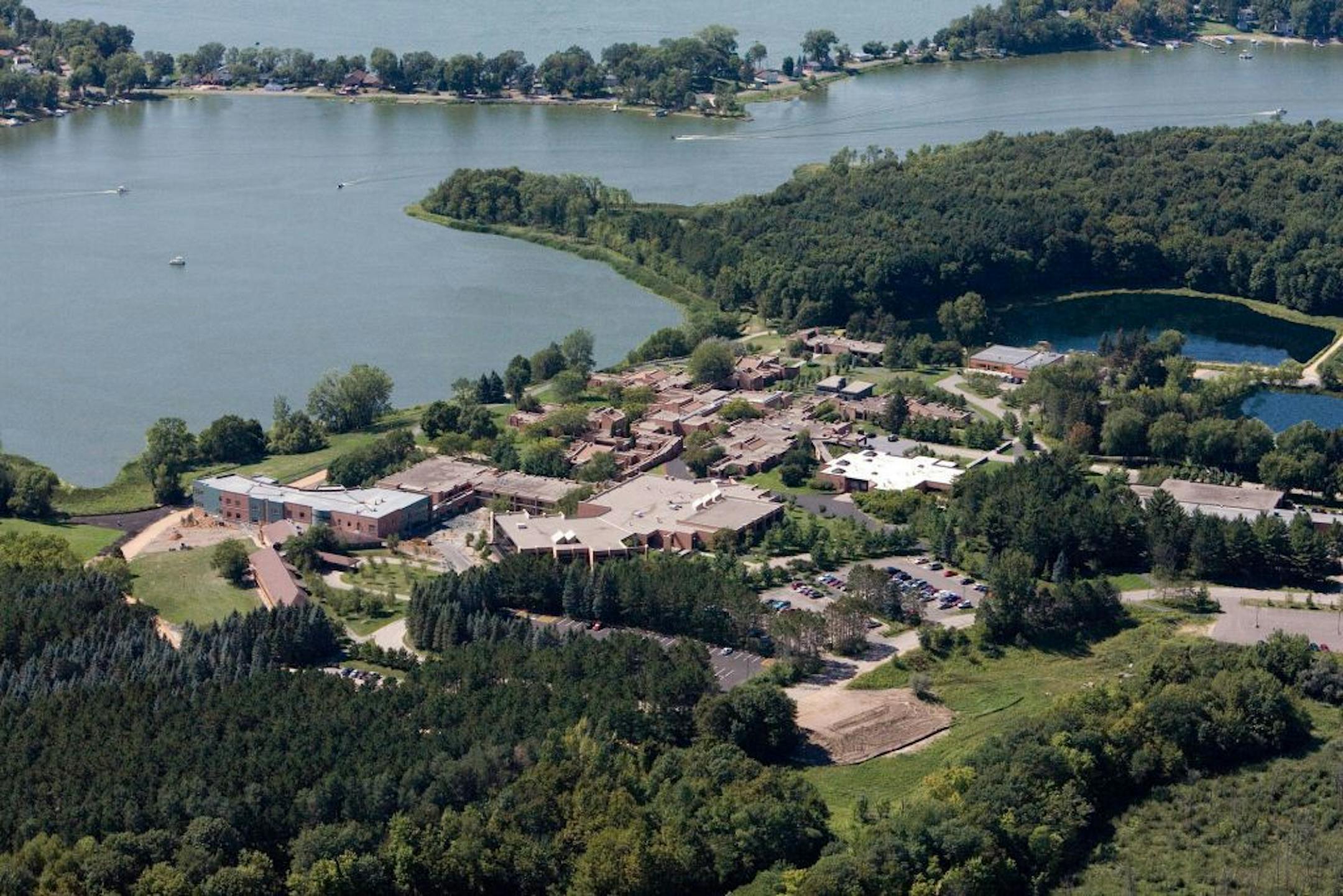
With headquarters in Center City, Minn., Hazelden operates facilities in five states, and it has broadened its focus in recent years. It has sponsored a summit on bullying, opened an apartment for university students in New York City, and last year broke ground on a residential and outpatient expansion in Plymouth for adolescents and young adults.


