An administrative law judge has rejected claims that 19th century treaties give American Indians a say in choosing a route for a new crude oil pipeline across northern Minnesota.
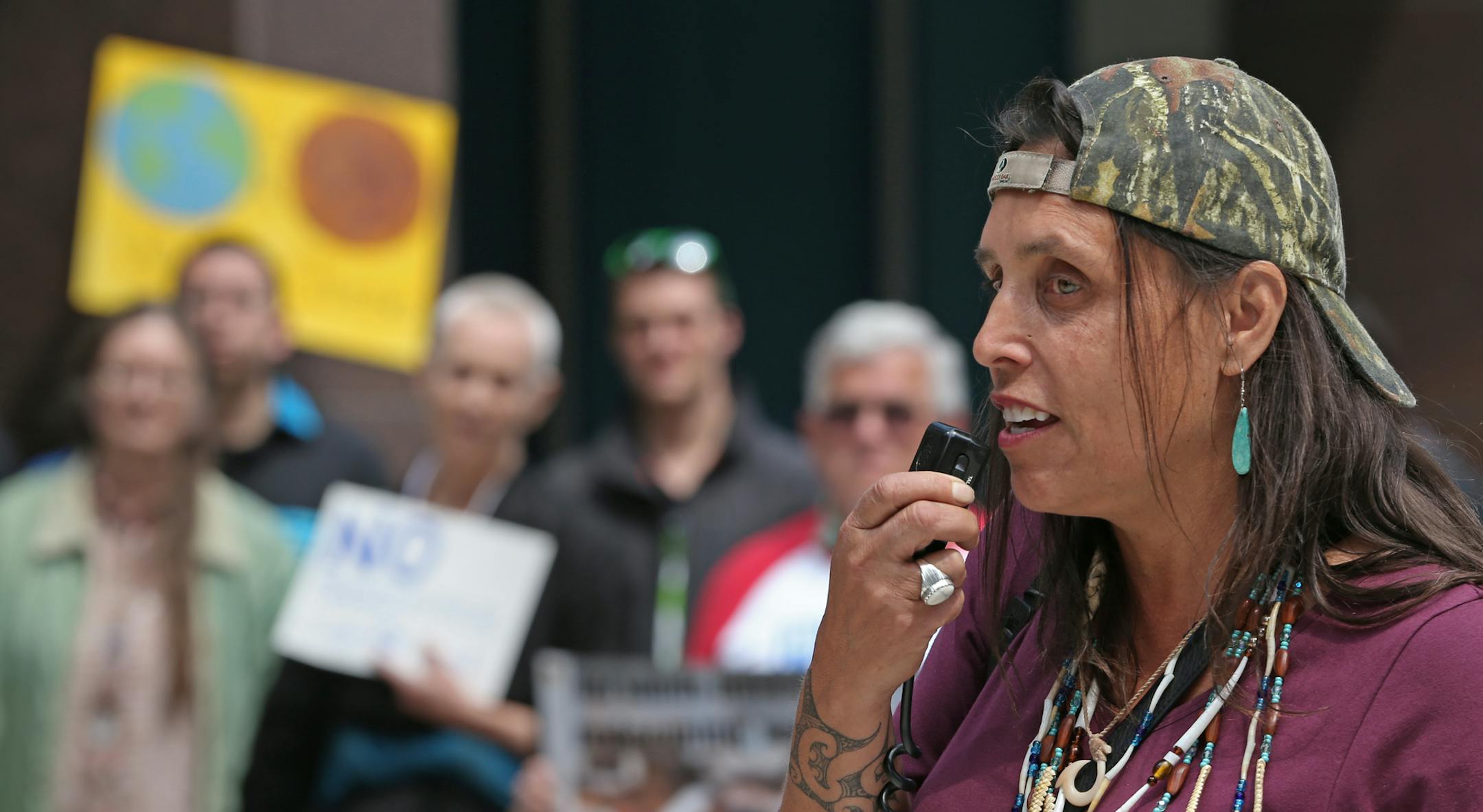
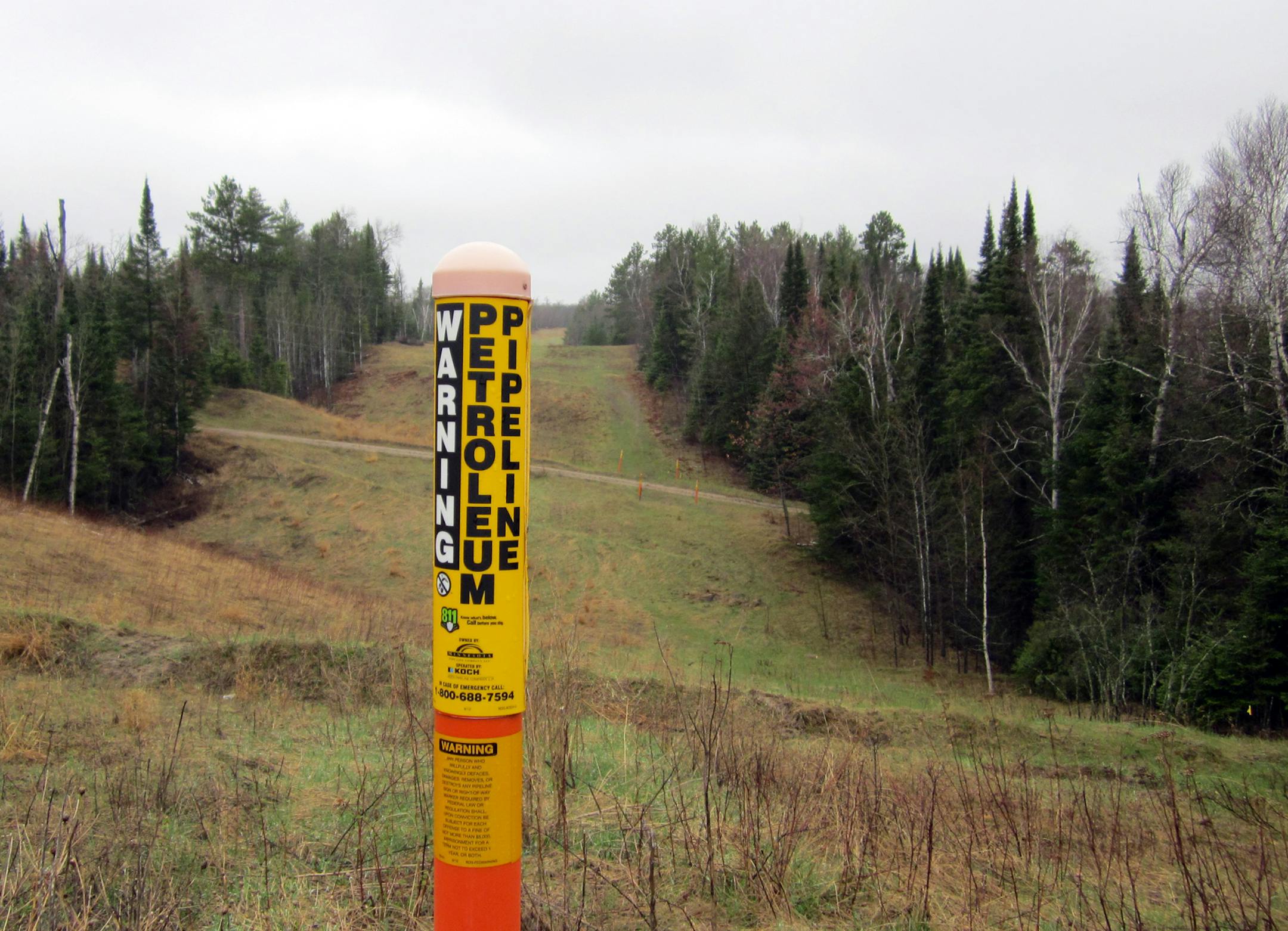
Honor the Earth, an environmental group led by American Indian activist Winona LaDuke, favors a different route for Enbridge Energy's proposed $2.6 billion Sandpiper pipeline that would carry North Dakota crude oil across northern Minnesota to Superior, Wis.
The group contends that the Chippewa Tribe should have a say in the pipeline's right of way because of the potential harm to tribal members' right to fish, hunt and gather wild rice in ceded, off-reservation territory. The group has suggested building the pipeline south of Interstate 94 to avoid wild rice lakes.
Judge Eric Lipman, who is reviewing the pipeline project for the state Public Utilities Commission, ruled Tuesday that an 1855 treaty ceding Chippewa lands in Minnesota to the U.S. government does not bar later acquisition of a route.
"The treaty does not forbid creation of new rights of way on the land that was sold in 1855," Lipman wrote in a seven-page order.
At a hearing earlier this month in St. Paul, Honor the Earth attorney Frank Bibeau and co-counsel Peter Erlinder of the International Humanitarian Law Institute had argued for a treaty-derived role in pipeline siting decisions. Enbridge attorney Christine Brusven countered that there is no precedent for such a step, which would affect large energy projects across northern Minnesota.
In an e-mailed statement, Enbridge spokeswoman Lorraine Little said the company is reviewing the order, and will continue the regulatory process with a goal of gaining approval and beginning construction early next year.
"Sandpiper will provide a vital link between energy resources and refineries, helping the U.S. to take advantage of increasingly accessible oil resources which are important components of products we use every day and the fuel we use in our cars," Little said.