

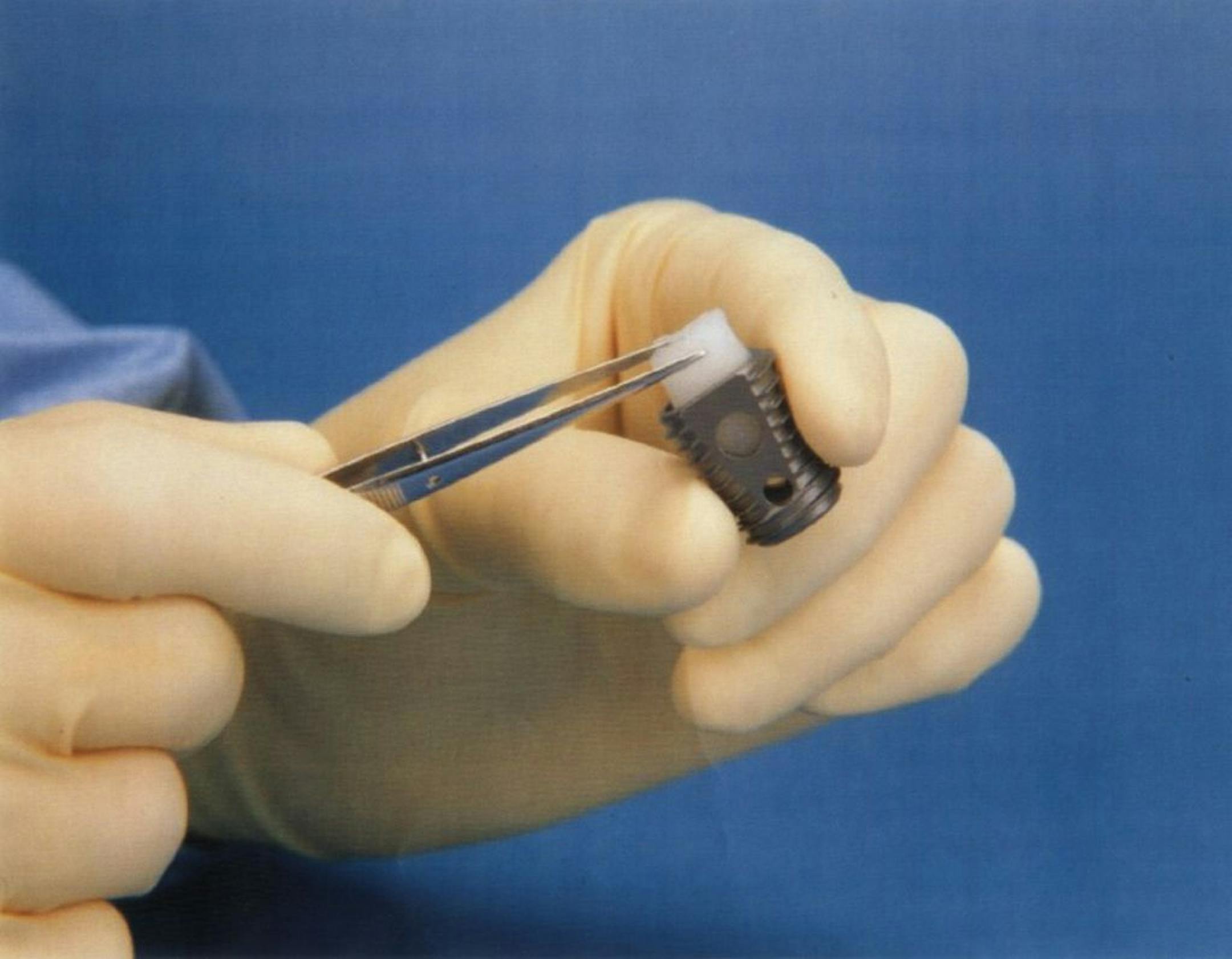
A Minneapolis judge has ruled that federal law will not allow Minnesota courts to hear the cases of dozens of people who say they were injured by Medtronic Inc.'s Infuse spinal device.
Judge Laurie Miller on Wednesday granted a Medtronic motion to dismiss the claims based in part on recent U.S. Supreme Court rulings that found patients could not sue devicemakers if the U.S. Food and Drug Administration (FDA) had approved their products.
The ruling came weeks after a lower-court judge in Cook County, Ill., allowed an Infuse lawsuit to go forward based on the promotion of unapproved uses of Infuse and claims of faulty labeling — allegations similar to those brought in Minnesota.
The conflicting decisions further muddle the legal landscape for thousands of potential injury claims across the country. While doctors have the discretion to use Infuse in unapproved ways, experts say Medtronic may not legally promote such alternatives.
Miller said the alleged victims in the Minnesota cases, who say they have suffered nerve injuries and chronic pain as a result of unwanted bone growth after spinal fusion surgery, did not thread the legal needle to get the right to sue in state court.
Miller's decision does allow those who sued to refile their cases with more specific allegations of fraud that involves promotion of nonapproved uses of Infuse by Medtronic.
Spine experts and U.S. lawmakers have claimed that Medtronic-sponsored studies overstated Infuse's benefits and downplayed the product's risks. The company paid $210 million over a period of years to doctors who tested and prepared scholarly articles about Infuse, including its use in non-FDA approved ways.
A new study from Yale University, funded by Medtronic, concluded that Infuse had worse results than had been previously published in those Medtronic-supported articles.


