

A small country in the Mideast — with some help from the Midwest — is responding in a big way to a refugee crisis.
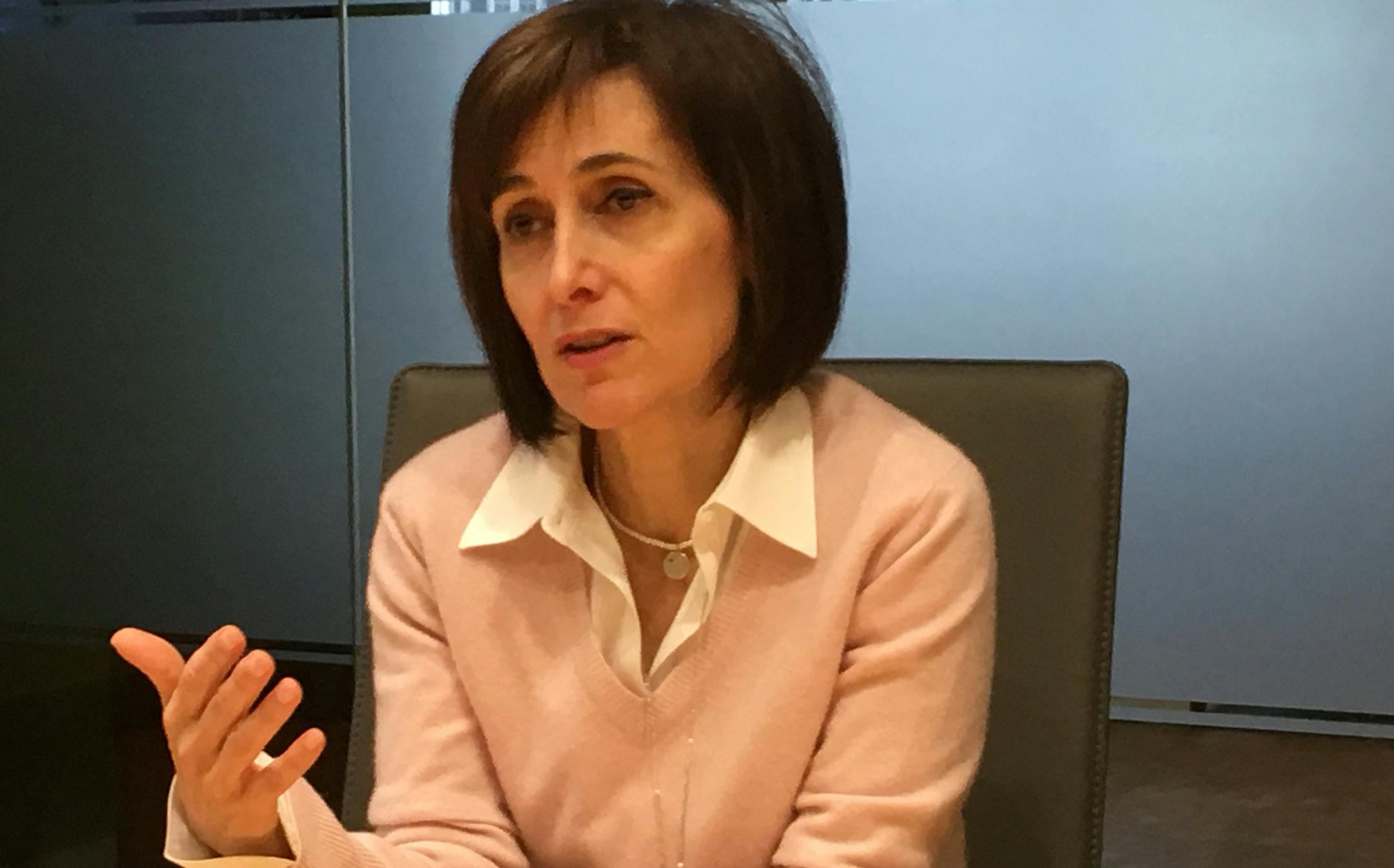
Jordan, said ambassador to the U.S. Dina Kawar, "is going through rough and tough times due to the situation in the region." But Jordanians haven't acted in a rough or tough way. Instead, they've shown compassion and competence that makes the country a model amid rising anti-refugee sentiment in the West.
There are about 640,000 registered refugees from Syria in Jordan, but the real total may be around 1.4 million, Kawar said during a visit to Minneapolis hosted by Global Minnesota, the Minneapolis-based nonprofit citizen engagement organization. That refugee flood would be staggering anywhere, but is especially jarring given that Jordan's population is about 9.8 million. "There have been a number of things that have been shocks to our system," Kawar said. "We're trying to do much more than any other country by not only being host for humanitarian reasons but to try to improve their lives as much as possible."
"Jordan has done a tremendous job receiving refugees from neighboring countries in conflict," Ragui Assaad, a professor at the Humphrey School of Public Affairs observed via e-mail from Egypt. Specifically, the "Jordan Response Plan" is on top of ongoing efforts to help Palestinians and refugees from other war-torn nations. Jordan, Assaad said, "has done as well as it could in a very challenging situation."
Jordanian generosity reflects a warm, welcoming culture, said Curt Goering, executive director of the Center for Victims of Torture (CVT), a Minnesota-based nongovernmental organization (NGO) treating scores of tortured Syrians — including children, a testament to the depravity of the Bashar Assad regime.
CVT began healing in Jordan nine years ago. Iraqis first, and now not just Syrians but Sudanese and Yemenis, too. "It's a huge burden for any country, especially a small country," said Goering, who recalled a Jordanian who volunteered to help refugees on weekends after treating torture survivors all week. "As draining as the work is day-to-day and the toll that it takes on our staff, to feel a duty to help what he called 'our Syrian brothers and sisters' at a time of need spoke volumes," Goering said.
CVT is not the only Midwest-meets-Mideast organization playing a vital regional role. The Minnesota-based American Refugee Committee, through its Questscope subsidiary, has responded to the refugee crisis, as well. "As much as they can as individuals and as a country," Questscope communications officer Rachel Stone said, "Jordan has been a really strong ally of refugees."
And, she added, a strong partner to Questscope. In turn, NGOs have been really strong partners to Jordan, said Kawar, who along with Goering and Stone noted that the incredible influx has brought predictable problems. But not "racism or violence or ugliness," Kawar said, adding: "The work [NGOs] are doing is that additional work that our government cannot be doing as much as we'd like to because of the burden and shock we've had."


