

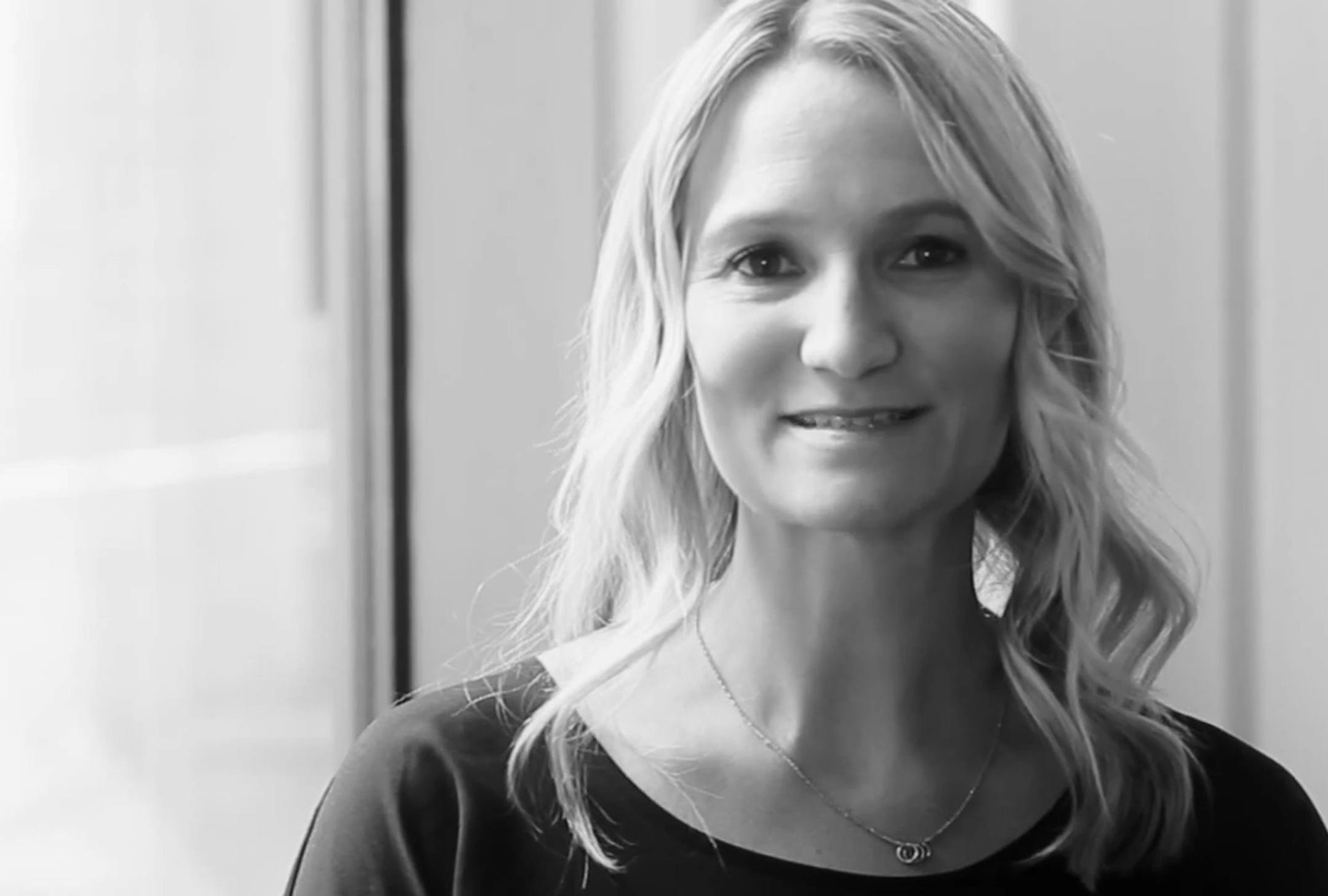
Kelly Miller was fresh out of college and working for J.P. Morgan in New York City when she first began volunteering for Minds Matter. The nonprofit, started by six Wall Street professionals in 1991, prepares low-income high school students for college through an intense, three-year mentorship program. When Miller returned to Minneapolis in 2011, one of the first things she did was set up a Twin Cities Minds Matter chapter. All 24 students who graduated from the program were accepted to four-year colleges. Miller, a vice president and wealth manager with J.P. Morgan Private Bank, continues to lead the local chapter, which has an annual budget of about $145,000.
Q: How do students learn about the program?
A: We typically work with guidance counselors to help us identify students who qualify for a free or reduced lunch and have a minimum GPA of 3.0. Ours have an average of around 3.5 or 3.6. We have a rigorous application process that includes an essay, some short-answer questions, a letter of recommendation and an in-person interview.
Q: How does the mentorship program work?
A: It's a three-year program, starting when students are sophomores. We found if we wait until the junior year, there's too much catch-up, academically. Many are first-generation college students. We want to make sure they're taking the right coursework, doing the right extracurriculars, and doing everything to look competitive relative to their peers who might have a lot more opportunities. Students spend four hours with us every Saturday from October through May, except for school and national holidays. Two hours are for academic enrichment and two hours are mentoring time. The University of St. Thomas Minneapolis campus provides space for us, and Kaplan donates their test prep materials.
Q: Do the mentors stay with the same student for all three years?
A: That's the goal, and we've had a lot of success with that. There actually are a number of volunteers who are still involved in the organization who go back to when we started in the Twin Cities six years ago, which is amazing when you think about how time-intensive this program is. Part of the reason we assign two mentors is that people take jobs, get married and have other life events. If we have two mentors, we feel pretty confident at least one person will be consistent throughout those three years. Most of our mentors are young professionals, and all are passionate about education and working with young people.
Q: Does Minds Matter provide scholarships, too?


