

Opinion editor's note: Star Tribune Opinion publishes a mix of national and local commentaries online and in print each day. To contribute, click here.
•••
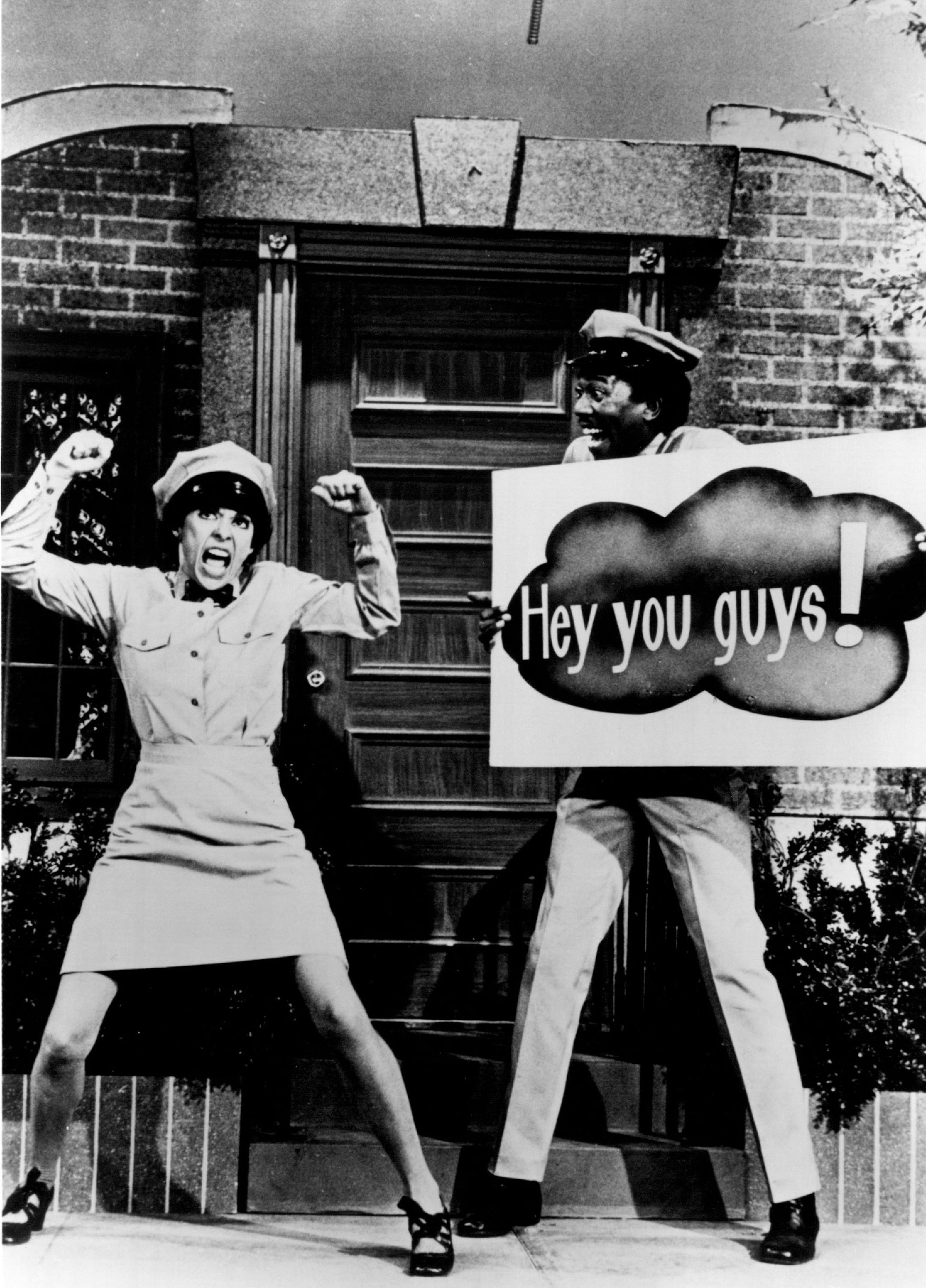
I'm trying an experiment in one of the courses I teach. The goal is to stop using the phrase "you guys." I announced the plan at our first class meeting; now, the students laugh each time I slip.
This is not an undertaking driven by "wokeness," itself a glib, amorphous coinage to be avoided. Rather, it's meant as a gesture of respect. The majority of these students are women, and I want to be precise.
Language is a tool — even, for good and ill, a weapon — and in order for it to be effective, it needs to be consciously deployed. The "invasion of one's mind by ready-made phrases," George Orwell wrote nearly 80 years ago in his essay "Politics and the English Language," "can only be prevented if one is constantly on guard against them, and every such phrase anesthetizes a portion of one's brain."
Such an idea seems to be one many of us have overlooked in the battle over what language is appropriate or inappropriate to use.
"Appropriate," I'll admit, is another word to circumvent. In my experience, it's applied primarily as a bludgeon, to shame and silence divergent points of view. Yet what if we imagined appropriateness more broadly: as a matter of intention rather than opprobrium?
Every one of us, after all, makes choices about what to say in certain circumstances. We communicate one way in a classroom and another way in a bar. We speak to our families differently than we do to our co-workers. We gauge the situation, read the room.


