

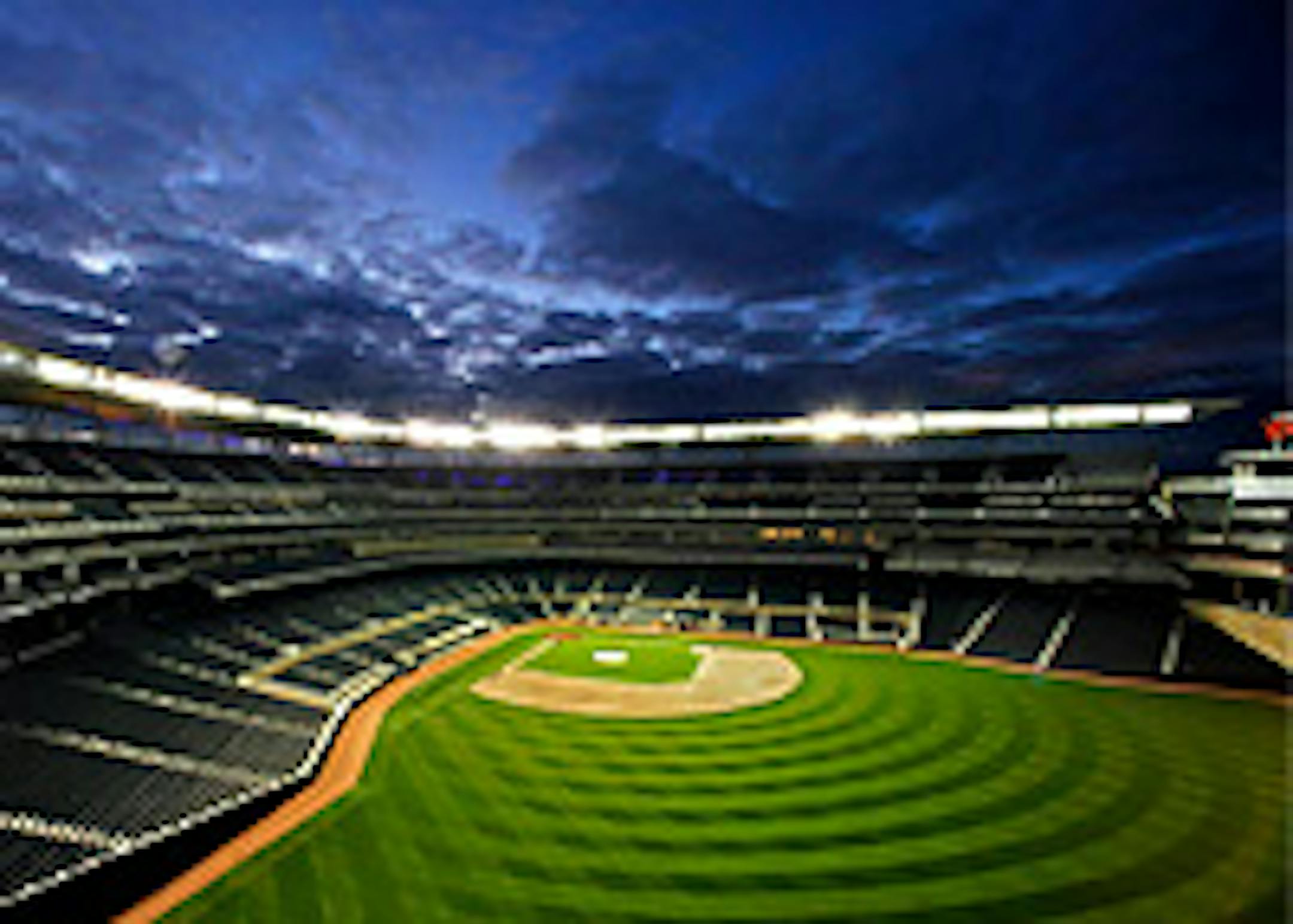
We were Baby Boomers and our game was baseball. The anticipation was overwhelming from Oct. 26, 1960, when Calvin Griffith made the announcement he was moving his team from Washington to Minnesota, to April 11, 1961, when the Twins played their first American League game against the Yankees in New York.
Ten days later, the Twins played for the first time at Metropolitan Stadium against the expansion Washington Senators.
This was the ballpark that introduced us to major league baseball. It served that purpose fully, since we didn't need more than hot dogs, peanuts, frosted malts and, later, a cup of Grain Belt or Hamm's to make it through a game.
A scoreboard with the lineups by numbers, perpetual score updates on other games and a message board spitting out characters one at a time were all we required.
We didn't gather on the Bloomington prairie for concessions or to be dazzled by a scoreboard. We were satisfied with the basics, because we were there for the ballgame.
For a decade, the Twins averaged the most tickets sold -- 1.4 million per season -- among American League teams. The 1969 and 1970 teams were powerful and won the first two West Division titles, yet this was a period when the Vikings took over the sports market.
It stayed that way through the '70s, as the Vikings went to Super Bowls and the Twins went into decline, but the first strong hint there was a transformation taking place with sports audiences came in 1976. That was the summer when a soccer team called the Kicks arrived. The youthful generation that followed us Boomers came flocking to the Met, not because of a rabid interest in soccer but in the party in the parking lot.
Eventually, most would make their way inside to crowd the stadium and to cheer mightily if someone near them happened to notice the home team had scored a goal -- and then head to the asphalt to party some more.


