
It's Presidents' Day. A good time to ask: What would Lincoln do?

America's 16th president navigated times even more polarized than today's. But as he saw it, in politics "there are few things wholly evil or wholly good."

February 18, 2019 at 5:40PM
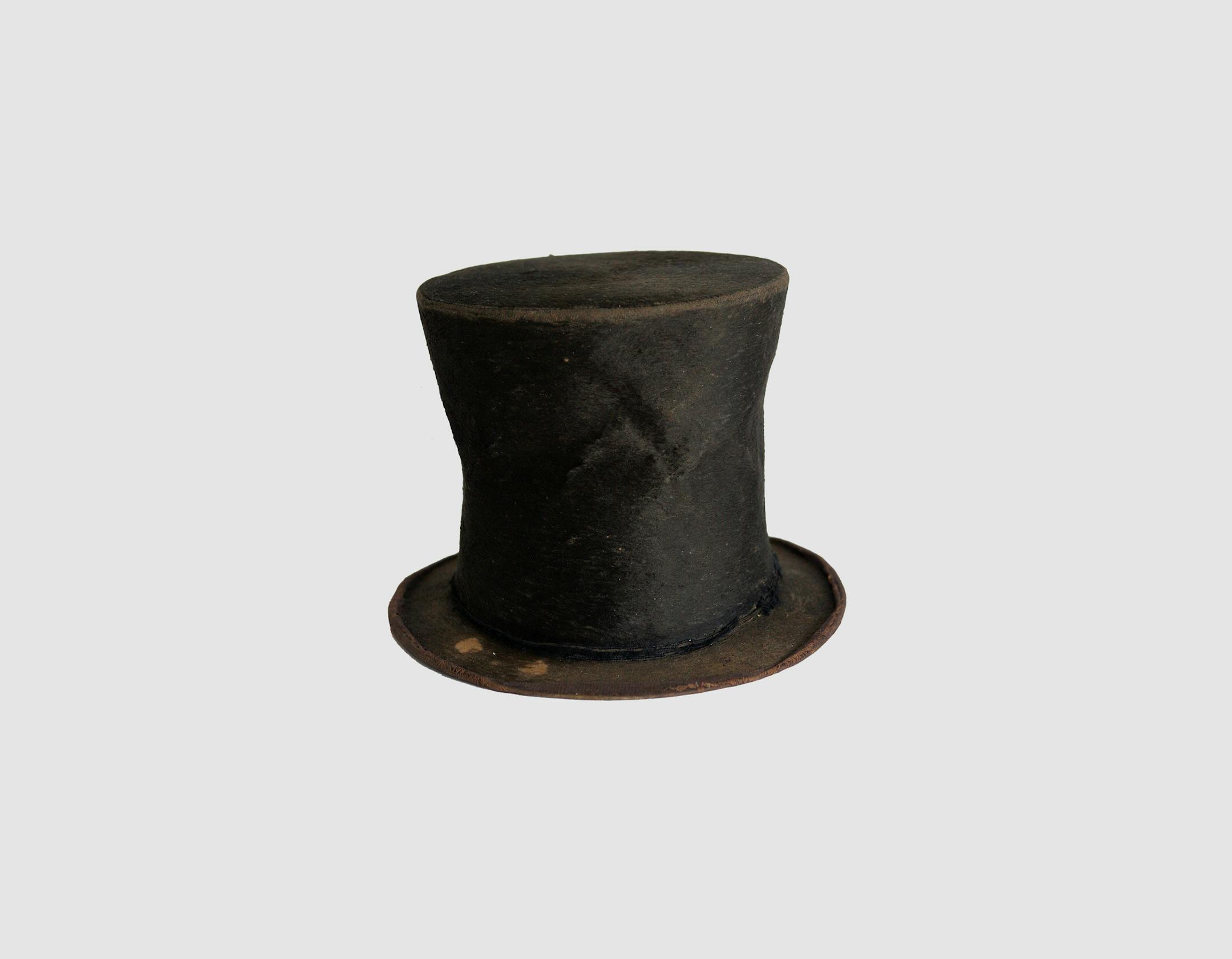
FILE - In this June 14, 2007 file photo, Abraham Lincoln's iconic stovepipe hat is photographed at the Abraham Lincoln Presidential Library and Museum in Springfield, Ill. The foundation that supports the library and museum says it might have to sell artifacts if it can't pay off a decade-old loan that financed items related to the 16th president. the foundation says it owes $10 million on a 2007 loan it obtained for the well-known Barry and Louise Taper Collection of Lincoln-related items inclu
Abraham Lincoln’s iconic stovepipe hat, photographed in 2007 at the Abraham Lincoln Presidential Library and Museum in Springfield, Ill. (The Minnesota Star Tribune)

Abraham Lincoln, who was born 210 years ago this month, was president during an era even more rancorous and polarized than our own. Yet he managed to navigate it — not in a way that pleased everyone or made him popular, but rather by keeping the good of the country always in his sights. His path has lessons for today's leaders.

Lincoln's political philosophy consisted of only a few ideas, and he believed that America itself was based on these ideas. He said in 1861 that he had "never had a feeling politically that did not spring from the sentiments embodied in the Declaration of Independence." In the same speech, he articulated what he believed to be the core promises of that document: that "liberty" was the American birthright and that in America and ultimately in the world "all should have an equal chance."

He spoke of democracy the way the poet Walt Whitman did, as both our nation's form of government and its special reason for existing.

As is the case today, many of Lincoln's contemporaries were hyperpartisan, treating politics as a constant contest between good and evil. Lincoln believed differently. As he put it in an 1848 speech, in politics "there are few things wholly evil or wholly good," which means that "governmental policy" must typically be "an inseparable compound of the two." As a result, even in his darkest moments, he looked for good in the ideas of those who disagreed with him, and he expected them to do the same.

This way of thinking meant that Lincoln never treated opponents as enemies. Even during the Civil War, he did not demonize Southerners or the South. He did not view those fighting on the other side as evil.

Jefferson Davis, president of the Confederate States of America, was Lincoln's opposite in many ways, including in temperament. In 1861 he said of Northerners: "Our people now look with contemptuous astonishment on those with whom they had been so recently associated." Lincoln did not think or talk that way. Nor did he respond in kind to personal attacks, even as they rained down on him.

In 1865, when Lincoln delivered his second inaugural address, the Civil War was nearing an end, and he was already thinking about how "to bind up the nation's wounds." In that same address, when he urged "malice toward none," he meant it.

Throughout his political career, Lincoln rejected dogmatism, embraced pragmatism, and sought compromise, something that often didn't sit well with those he considered his allies.
Lincoln was often accused of being noncommittal, of seeming to want things both ways. He would infuriate colleagues by telling them, "My policy is to have no policy." He would change his mind, vacillate, and propose half-measures that displeased everyone. Many viewed him as weak.

Within his own party, the "Radical Republicans," those most fervently opposed to slavery, never trusted him. Lincoln, in turn, considered them unreasonable zealots. He complained to his secretary that they were "utterly lawless" and "the unhandiest devils in the world to deal with." But he also could admire their idealism and recognize their goodness, explaining to his secretary that "after all, their faces are set Zionwards."

Lincoln chose humor over vitriol and understanding over judgment. He liked making suggestions more than issuing orders. A strong, confident man, but one who also experienced dark depression, Lincoln was mild-mannered. His capacity for empathy was striking to those around him.

Lincoln had important flaws, but was providentially suited to his times. In a time of disunity, he tried to remind Americans what united them. Amid conflict, he sought conciliation. Amid anger, he advocated "charity for all." Amid despair, he summoned "the better angels of our nature."

On his birthday, today's leaders would do well to contemplate his wisdom.

David Blankenhorn is president of Better Angels, an organization bringing together red and blue Americans. He wrote this article for the Los Angeles Times.

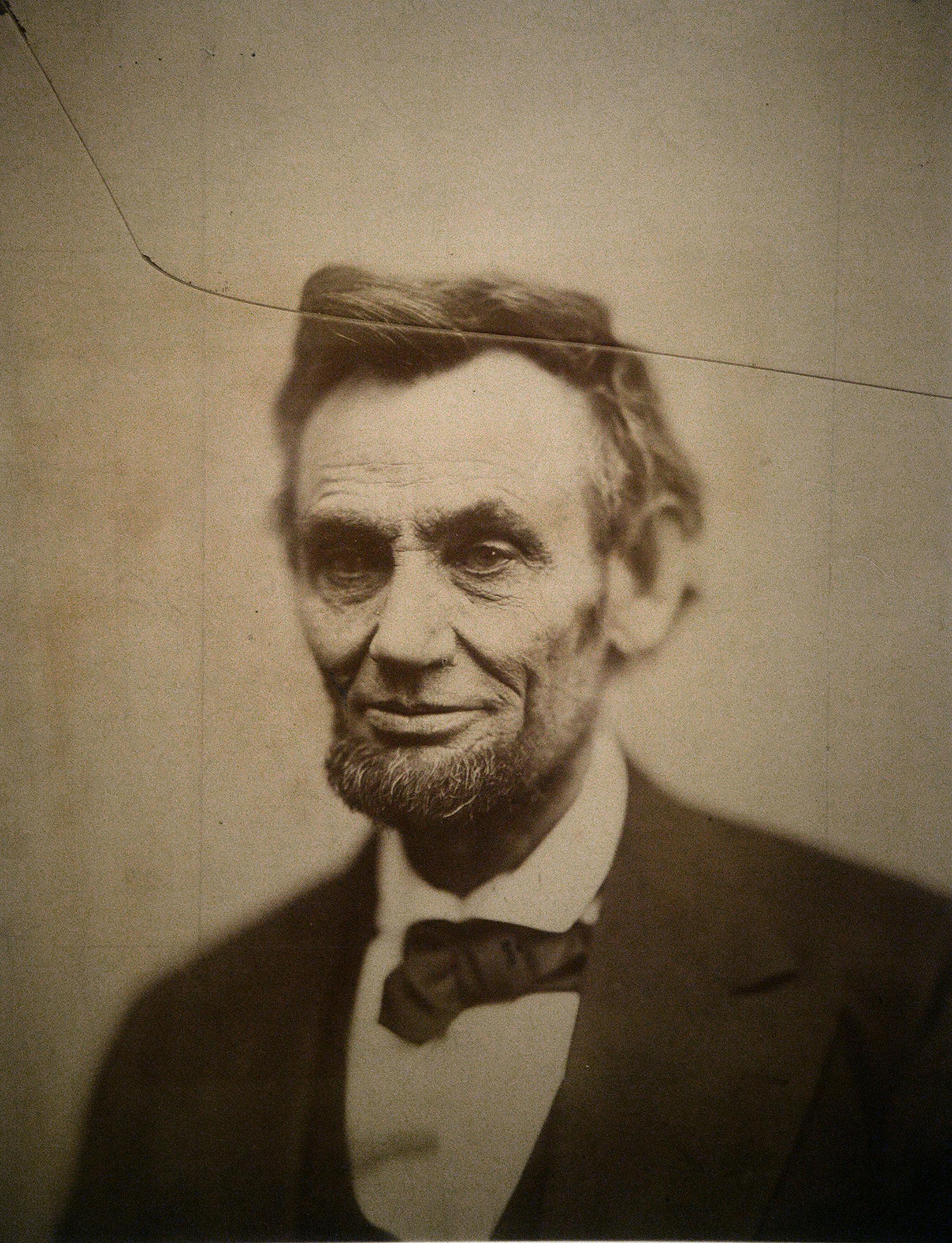
The original print of the "cracked-plate" portrait of Abraham Lincoln is on display at the National Portrait Gallery on Thursday, Feb. 12, 2015, in Washington, D.C. Lincoln said, "My policy is to have no policy." (Olivier Douliery/Abaca Press/TNS) ORG XMIT: 1268159
The original print of the “cracked-plate” portrait of Abraham Lincoln, photographed while on display at the National Portrait Gallery in Washington in 2015. (The Minnesota Star Tribune)
about the writer

about the writer

David Blankenhorn

More from Commentaries

See More
card image
Marco Trovati/The Associated Press

A steep slope doesn’t care about narrative arcs, but hard work and perseverance are always inspiring.

card image
card image