

"We know no spectacle so ridiculous," opined the great nineteenth-century historian, Thomas Babington Macauley, "as the British public in one of its periodic fits of morality."
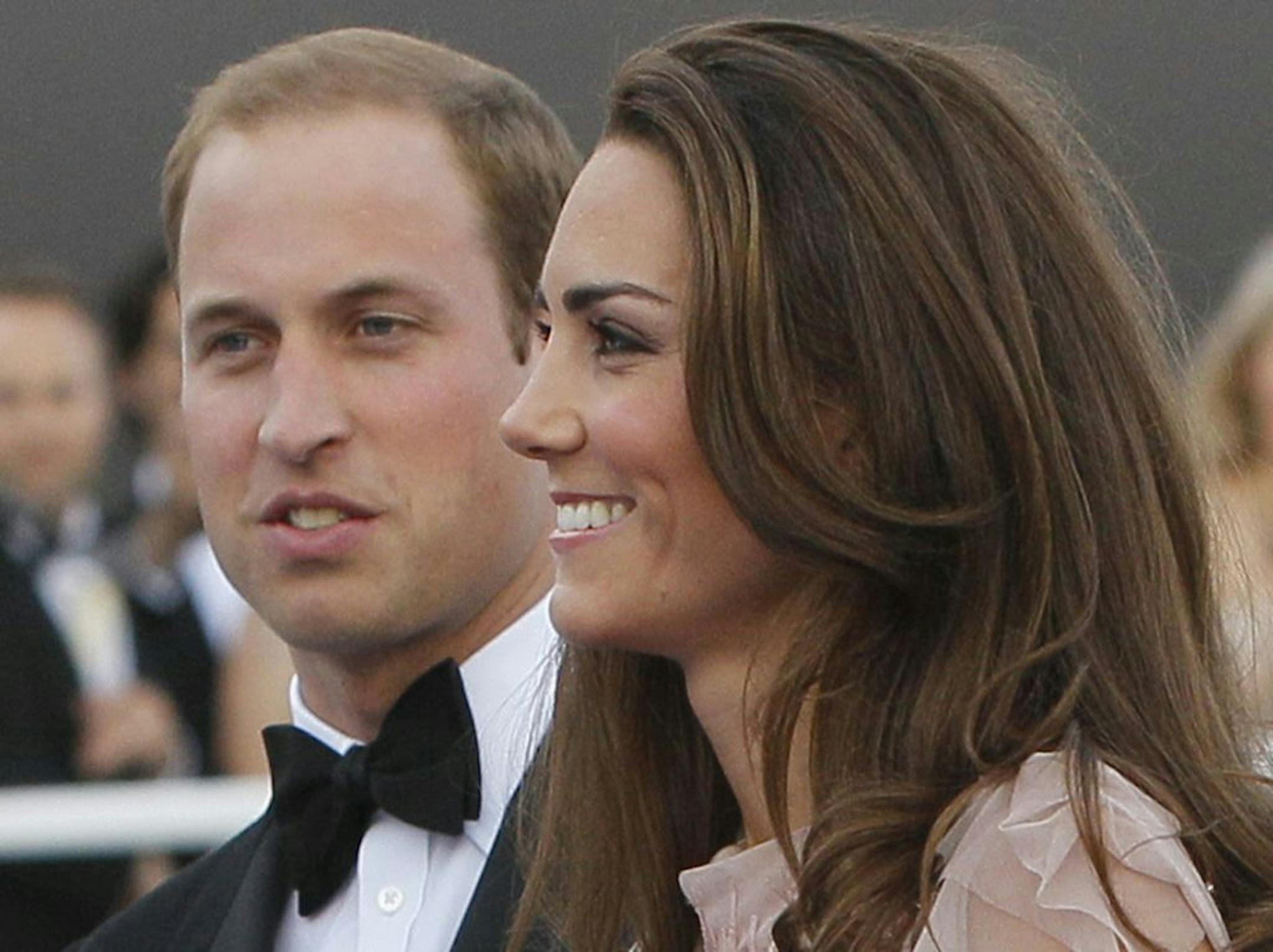
But for sheer ridiculousness, few spectacles are quite so grimly moronic as the American media plunging overboard in one of its periodic obsessions with the British House of Windsor. The news - to use the term in its most limited sense - that the Duke and Duchess of Cambridge expect their first child to arrive on this Earth sometime next summer is sending a good part of the American press into a familiar frenzy of twittering, fluttering excitement.
There will be a baby! Not just any baby - a royal baby! Could anything be finer or more deserve front-page coverage? Were I an American, I suspect I should find this contemptible; as a Brit, I make do with considering it laughable.
Mark Twain was surely right. "Unquestionably the person that can get lowest down in cringing before royalty and nobility, and can get most satisfaction out of crawling on his belly before them, is an American. Not all Americans, but when an American does it he makes competition impossible."
Consider, too, that Twain never had the pleasure of witnessing American morning television and its ridiculous habit of fawning over, successively, Prince William's engagement, his marriage to Kate Middleton and now, the happy news that the next stage of the succession is on the point of being secured.
I recall experiencing some of this first-hand. When Queen Elizabeth enjoyed a state visit to Washington in the summer of 2007, you should have seen the palaver. I lived in Washington in those days and was mildly taken aback by all the upper-crust hysteria. My, how members of the imperial capital's elite scrambled for the merest glimpse of royal flesh.
At a garden party hosted by the British embassy, members of Congress and what remains of (or passes for) Georgetown society could have been mistaken for teen-age girls queuing for tickets to see "One Direction." (Tough-hearted British journalists, of course, did their best to hide their amusement at this spectacle behind a mask of laconic detachment.) Needless to say, this didn't happen when other heads-of-state came to town.
The American fascination with the British royals is hardly new, even if it has been magnified and encouraged by a culture ever more in thrall to celebrity and an age in which trivia and gossip are privileged by carrying around Google on your phone. Much of the rot set in with Princess Diana, whose "fairytale" wedding to Prince Charles descended into a gruesome - if compelling - soap opera.


