

Opinion editor’s note: Star Tribune Opinion publishes a mix of national and local commentaries online and in print each day. To contribute, click here.
•••
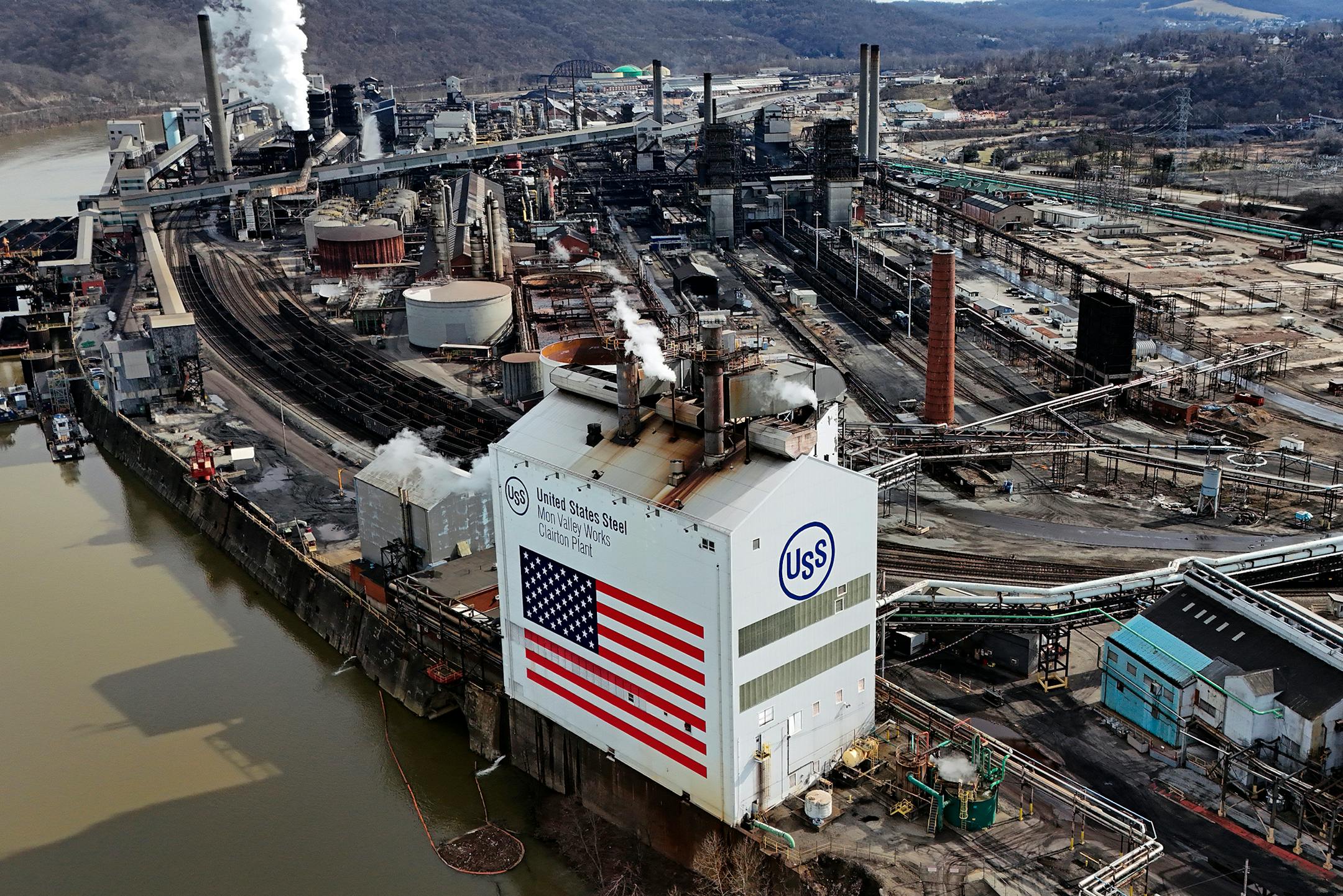
Waving the flag as he heads into election season, President Joe Biden is opposing the acquisition of U.S. Steel, a once-great steel maker headquartered in Pittsburgh, by a bigger and stronger Japanese company, Nippon Steel. “I told our steel workers I have their backs, and I meant it,” Biden said in a statement. “U.S. Steel has been an iconic American steel company for more than a century, and it is vital for it to remain an American steel company that is domestically owned and operated.”
No doubt, Biden hopes to counter the nativist appeal of Donald Trump, especially in a state with a long history of anti-free trade sentiment. (Abraham Lincoln carried Pennsylvania 164 years ago on the strength of the Republican Party’s pro-tariff stance.)
But blocking the purchase would be destructive to American interests overseas and at home. First off, U.S. Steel is far from the icon Biden says it is. Within the industry, it ranks third in the U.S. and 27th in the world. Once America’s third-largest company, today it ranks 186th on the Fortune list.
Moreover, Nippon Steel’s nonhostile $14.1 billion deal is clearly in America’s interest as well as in the workers’ interest. The Japanese company, which already produces steel in the U.S. as well as in Latin America and across Asia, won the sale in the boardroom by offering roughly twice as much as a domestic competitor, Cleveland-Cliffs. Nippon has promised to inject needed capital and technology to make the century-old former icon more competitive. It also promises that U.S. Steel will keep making its steel in the United States and keep its headquarters in Pittsburgh.
But Cleveland-Cliffs has been lobbying the Biden administration hard, and so has the United Steelworkers union, to block the deal. Yesterday, the union rewarded Biden by endorsing him for re-election.
Legislators in both parties have jumped on the populist bandwagon. U.S. Sen. Bob Casey, running for re-election in Pennsylvania, said he would “work like hell against any deal that leaves our steelworkers behind.” Never mind that under red-white-and-blue American ownership, U.S. Steel’s work force plummeted from 340,000 during World War II to about 22,000 today.


