

The major credit-rating agencies are supposed to be private-sector watchdogs of the financial world.
They bark when cities, states and countries go too deep into debt. They howl when Greece conceals its true indebtedness, for instance, or when the state of Illinois' unfunded pension obligations grow dangerously large.
They evaluate companies, too, for creditworthiness. In a sentence: They rate securities based on the ability to pay back the money, and the agreed-upon interest, that governments and businesses borrow from investors.
The AAA rating has entered the vernacular as a synonym for the best: blue chip, No. 1, triple-A.
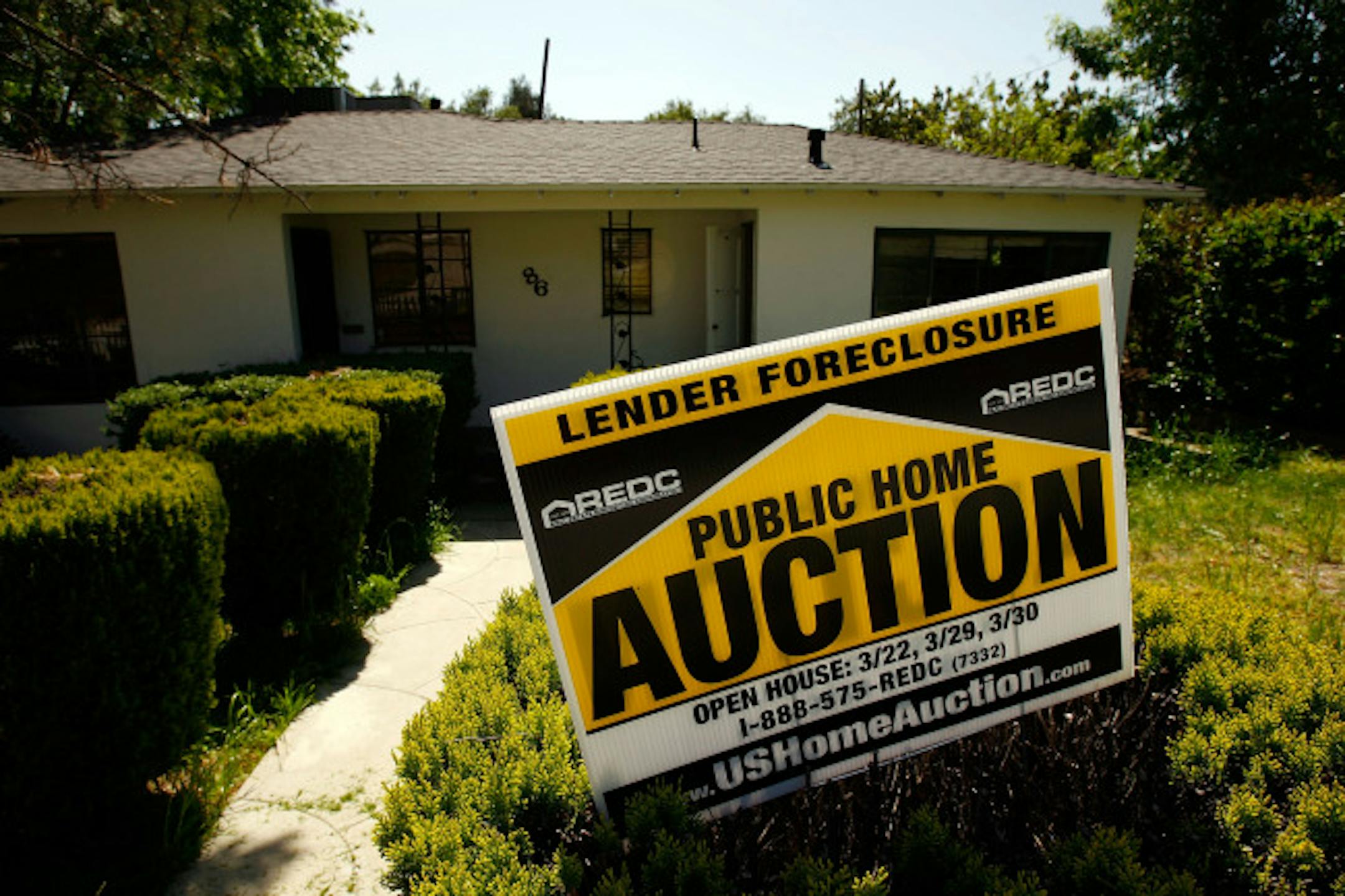
During the real-estate meltdown, though, Americans found out the hard way that AAA meant less than widely supposed. Standard & Poor's, Fitch Ratings and Moody's Investors Services assigned much higher ratings to mortgage-backed securities than the investments deserved.
When the housing market crashed, those securities plunged in value. They turned out to be far more risky than their ratings indicated: Too many of the underlying mortgages had gone to homeowners unable to keep up with their monthly payments.
Nearly every American lost money as a result, because pension funds, banks and other companies that had put their funds into these supposedly safe assets instead were left with huge losses that helped to sink the economy.
On Tuesday, U.S. Attorney General Eric Holder, flanked by Lisa Madigan of Illinois and several other state attorneys general, announced the Justice Department's long-expected civil fraud suit against S&P. Sixteen states and the District of Columbia also are suing S&P.


