

Sending people into space is a tough way to make a buck. Not only is it risky, but it's hard to turn a profit given the sky-high cost of rocketing into the upper atmosphere or beyond.
But recently a handful of entrepreneurs, marketers and, yes, even rocket scientists have announced plans to build private space stations, blast astronauts back to the moon, and even mount the first manned expedition to Mars. Just as important, they're looking at new ways to pay for it, including an Axe body-spray promotion that would send 22 contest winners into space.
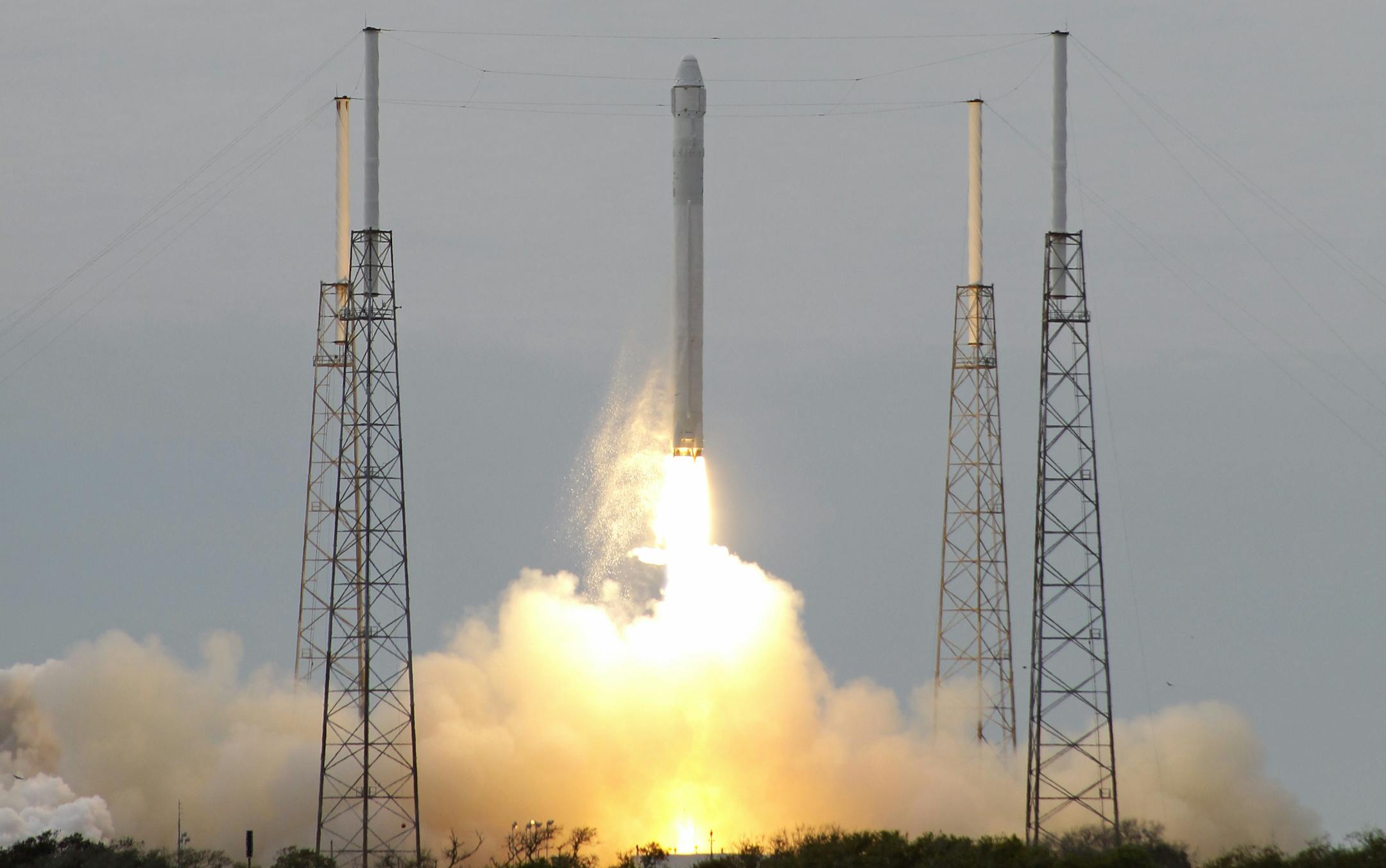
Led by SpaceX of California, which recently delivered another round of supplies to the International Space Station, the efforts have given rise to hopes that the long-awaited era of private space exploration is, finally, about to begin.
"People are thinking in big terms, which wasn't happening before," said Marco Caceres, a senior space analyst with the Teal Group, which tracks the aerospace and defense industries.
Consider:
•The January sale of 22 suborbital flights by XCOR Aerospace to the parent company of Axe body spray. The flights are the centerpiece of a global marketing campaign, which included a Super Bowl commercial and a contest that has attracted more than 500,000 aspiring astronauts.
• A landmark deal in January between NASA and Bigelow Aerospace that gives the Nevada company a $17.8 million contract to attach one of its inflatable habitats to the space station. The milestone is one step toward the construction of private space stations for use by foreign space agencies and maybe tourists.
• The announcement in late February of a privately financed flyby of Mars set to begin in 2018. Multimillionaire Dennis Tito, the first space tourist, hopes to take advantage of a rare planetary alignment between Earth and Mars to send two people, a man and a woman, on the 501-day expedition.



