Was the Trump administration trying to play Minnesota for a sucker on health care? That's what Gov. Mark Dayton alleged last week — a claim that wasn't contradicted when Dayton announced Friday that the reinsurance waiver the state had sought from the feds had been approved.
The Trump play, as Dayton described it in a letter released Tuesday: String Minnesota along for months with the promise of federal money to help pay for a reinsurance program that would keep health insurance premium rates affordable on the state's private-insurance purchasing exchange, MNsure. Tell the poor dupes in Minnesota how to craft the program and apply for a waiver to draw down $208 million in additional federal funds. Assure them that no other federal/state health care arrangement in Minnesota would be affected.
Then just before the waiver's approval deadline, tell Minnesota that there's been a little misunderstanding. The waiver is actually going to nick the state's Basic Health Plan, a.k.a. MinnesotaCare, for a cool $369 million. With the waiver approved, the net hit on Minnesota balance sheets would be $161 million.
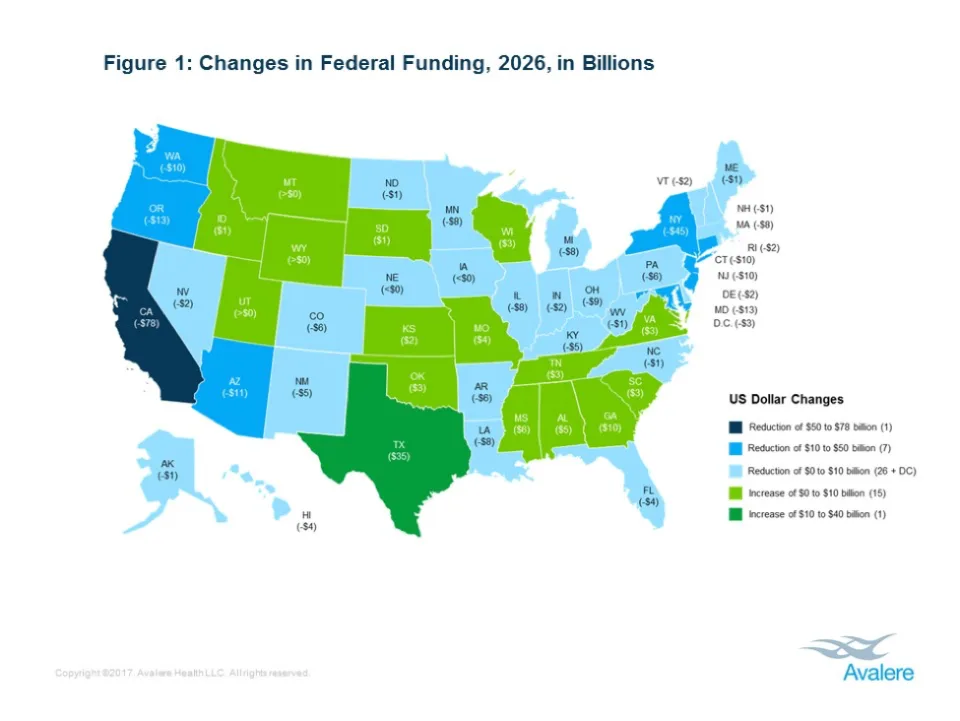
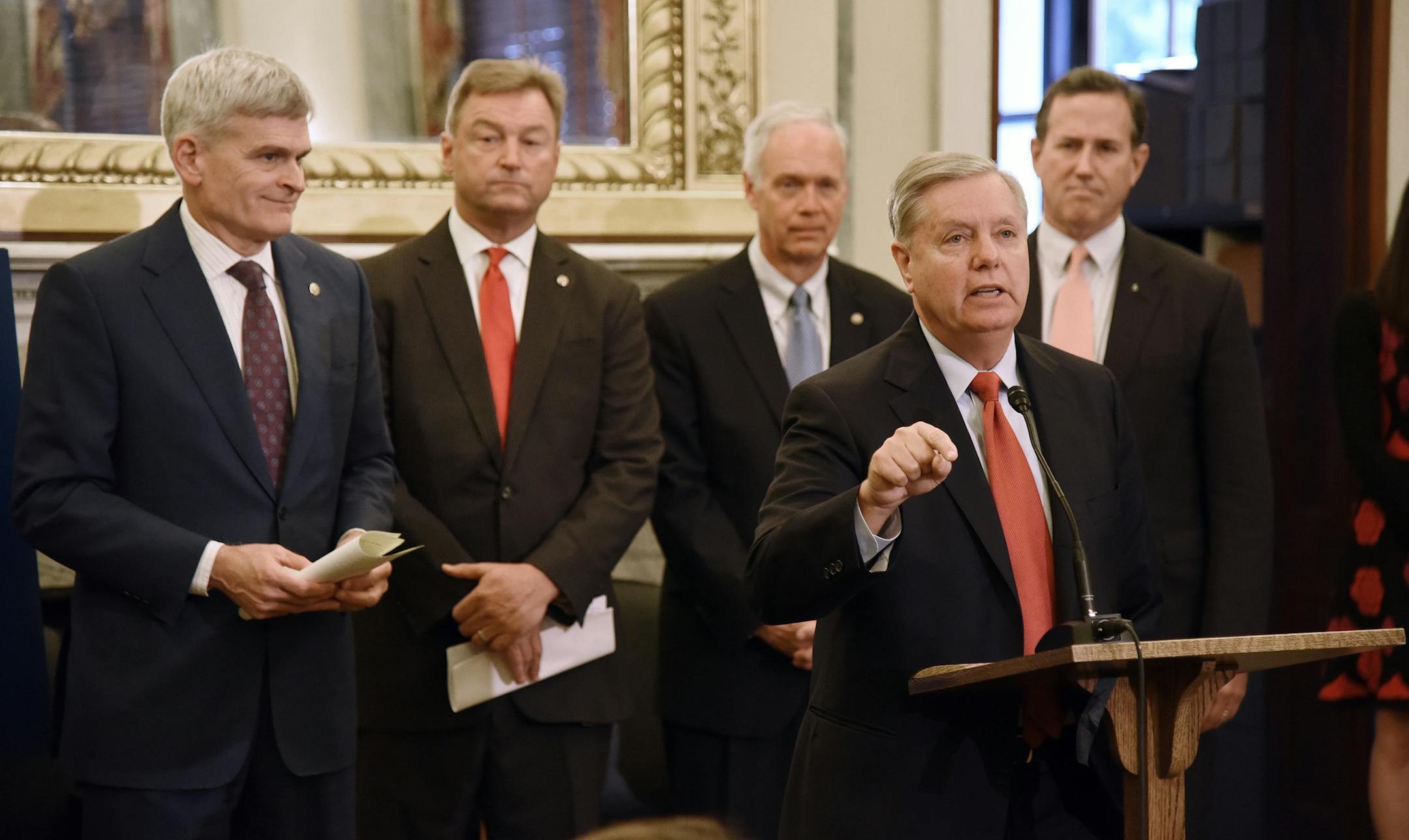
That's just for the next year. Trump and the Republicans in Congress have another kick in store after that for Minnesota and the other states that opted to provide Medicaid or their own state-sponsored affordable health insurance to the working poor. Those states would lose money bigly under the latest iteration of "repeal and replace" anti-Obamacare legislation. The bill known as Graham-Cassidy awaiting action in the U.S. Senate would deprive Minnesota of an estimated $8 billion by 2026, according to Avalere Health, a consulting firm.
Many reliably Republican states would fare better under Graham-Cassidy. Bet you're not surprised. In these latter days, it's bipartisan lawmaking — the kind that created MinnesotaCare 25 years ago — that would be surprising.
In 1992, a Republican governor and a bipartisan legislative task force set out to make health insurance affordable for Minnesota's working poor. It designed MinnesotaCare to be funded by modest income-based premiums and a state subsidy paid for with a 2 percent tax on health services — the "provider tax." At the start, very little federal money was involved.
Today, 87 percent of the government share of MinnesotaCare's funding comes from the feds. "It's a really good deal," DFL Sen. Tony Lourey told me last week.
But doesn't it make MinnesotaCare vulnerable to the "vagaries" (that's today's polite euphemism) of Washington politics? I asked.